A Landmark Leap: Brazilian Corn Ethanol's Role in Maritime Decarbonization
Brazilian corn ethanol is being weighed as a marine fuel option that could help shipping cut emissions toward IMO targets.
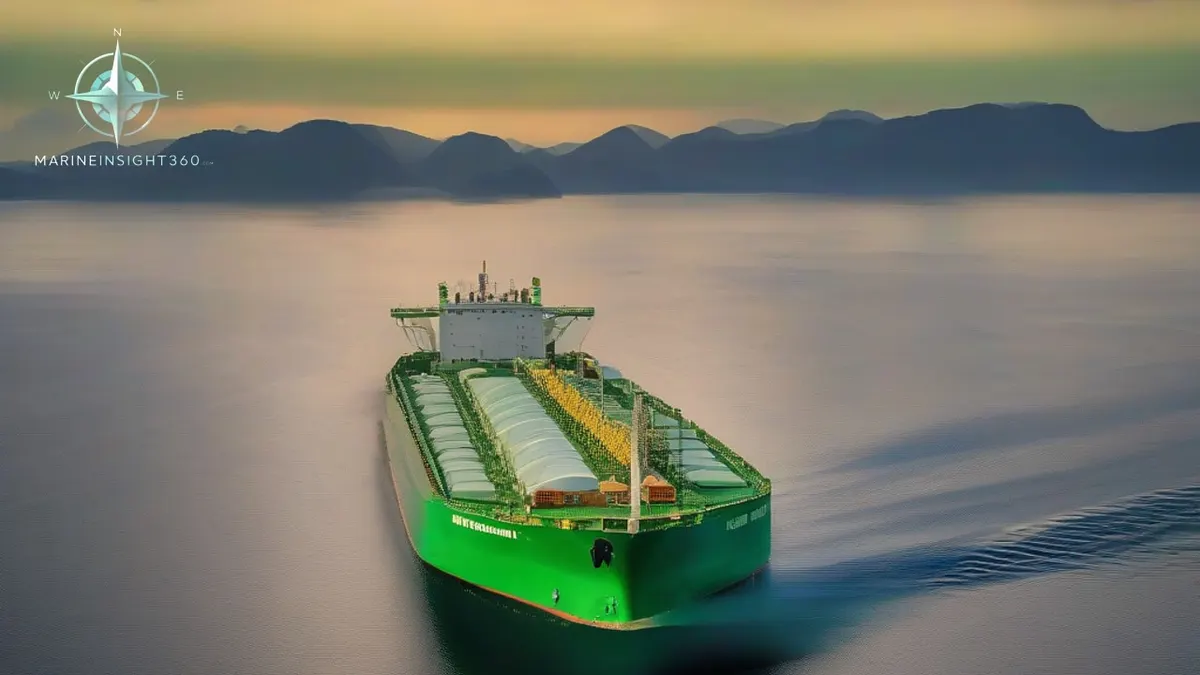
Ethanol joins the alternative fuel conversation
Brazilian corn ethanol is being considered as a fuel that could help the maritime industry cut greenhouse gas emissions. With the International Maritime Organization targeting substantial reductions from shipping, alternative fuels are moving from research papers to procurement discussions, and ethanol is now part of that list alongside methanol, ammonia and LNG.
Brazil's angle is supply. The country already produces ethanol at industrial scale for road transport, which means feedstock, refining and distribution exist today rather than in a projected future. For a fuel to matter in shipping, availability at port matters as much as chemistry.
What ethanol would change on board
Ethanol is a liquid at ambient temperature, which simplifies storage compared with gases that need pressurised or cryogenic tanks. Engine makers have already proven the closely related methanol pathway in service, and much of that experience carries across: modified injection, dedicated fuel lines and revised safety zones around tanks.
The trade-offs are real. Ethanol carries less energy per cubic metre than fuel oil, so ships either bunker more often or give up cargo space to tanks. Crews would need training for a low-flashpoint fuel, and class societies would apply the IGF Code's requirements to the installation.
The bigger decarbonization picture
No single fuel is expected to carry the whole industry. Owners are hedging across options because fuel availability will differ by trade route, and a vessel trading to South America may see ethanol bunkering earlier than one working the North Atlantic.
What makes this development worth watching is the source: when a major agricultural producer positions an existing fuel stream for ships, the question shifts from whether the fuel works to whether the price per tonne of avoided carbon beats the alternatives. That is the comparison charterers and owners will actually run.
The accounting will decide the answer. Marine fuels are increasingly judged on lifecycle emissions, from field or well through to the ship's wake, rather than on what leaves the funnel alone. For a crop-based fuel, that means farming inputs, land use and processing all enter the ledger, and certification schemes will determine how much of ethanol's promise survives the audit. Producers who can document the full chain will find shipping a far easier customer.
The wider stakes
Why give this sustainability story attention? Because in shipping a single event ripples outward, to owners, cargo interests, insurers, ports and crews, faster than the first report suggests.
What matters is separating the confirmed facts from the knock-on effects on cost, routing, compliance and hiring.
How it plays out in practice
The practical footprint of a sustainability story reaches schedules, insurance clauses, crew briefings and procurement. Knowing which desk owns the response is half the work.
And because reporting evolves, weigh it against authoritative sources, regulators, class societies and port authorities, before it drives a decision.
What comes next
- Follow-up notices from port, flag or class bodies.
- Effects on chartering decisions, crewing demand or compliance workload.
- Whether the story escalates beyond its first market.
- New detail that firms up or scales back the initial account.
Reading it right
The honest way to use this decarbonisation story is to ask what, if anything, it changes for you: a route, a cost, a certificate, a hiring plan. Where the answer is nothing, it is background; where it is something, verify it before you rely on it.