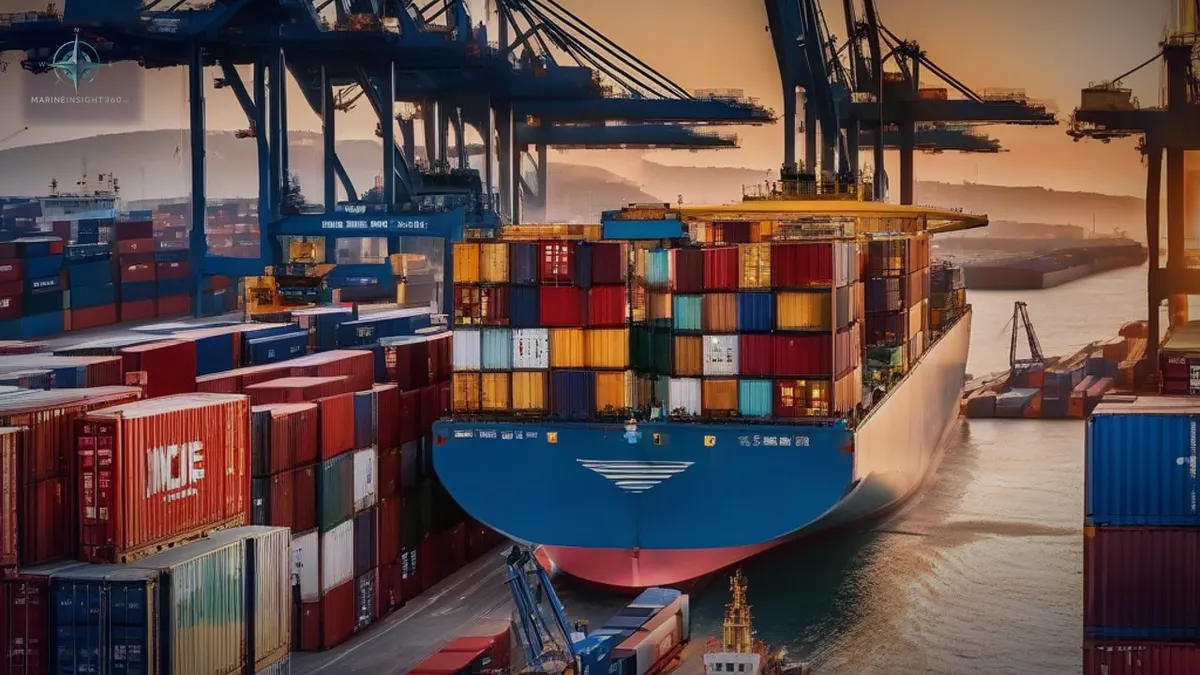
Chittagong Port: New consortium, including firms linked to two MPs, seeks NCT contract
A new consortium including firms linked to two members of parliament has submitted a bid for the New Mooring Container Terminal contract at Chittagong Port.
Consortium seeks NCT contract at Chittagong Port.
Key facts about Chittagong Port: New consortium, including firms linked to two...
A new consortium including firms linked to two members of parliament has submitted a bid for the New Mooring Container Terminal contract at Chittagong Port. The terminal is a key part of the port's expansion plans, which aim to increase container handling capacity and reduce congestion. Chittagong Port is a major hub for Bangladesh's trade, with many ships passing through on routes to and from Asia and Europe.
The consortium's bid is subject to approval by the port authority, which will evaluate the proposal based on technical and financial criteria. The contract is expected to be awarded soon, with the winning bidder responsible for designing, building, and operating the new terminal. This project will be subject to international maritime regulations, including those set by the International Maritime Organization, to ensure safety and efficiency.
Chittagong Port's expansion is part of a broader effort to improve Bangladesh's maritime infrastructure, which is essential for the country's economic growth. The port handles a large volume of container traffic, including cargo ships and feeder vessels that connect to major ports in the region. Improving the port's facilities and efficiency will help to increase trade and reduce costs for shipping lines and cargo owners.
The involvement of firms linked to members of parliament in the consortium has raised questions about the potential for conflicts of interest and the transparency of the bidding process. The port authority will need to ensure that the contract is awarded based on merit and that the winning bidder has the necessary expertise and resources to deliver the project. This matters to the industry because the development of Chittagong Port will impact the efficiency of trade routes and the competitiveness of shipping lines in the region.
Where to go from here
Turn a shipping development into action by tracing it to the original source, flagging the teams it affects, and revisiting the plans, routing, budgets, crewing, it could disturb.
Why it's on our radar
Chittagong Port: New consortium, including firms linked to two MPs, seeks NCT contract earns coverage because its effects seldom stop at the headline; shipping news like this lands on operators, charterers, insurers and seafarers together.
For readers across the major maritime markets, the value is practical: what shifts, what to verify, and which decisions it touches.
The operational read
For operators, this shipping development can touch routing, cost, charter terms and onboard routines. The useful step is to map it to the teams it affects.
Treat the first report as a starting point and verify the specifics against official and company sources.
Keep an eye on
- Whether authorities or companies publish concrete follow-up.
- Any repricing of insurance, freight or compliance cost.
- Spread from a local issue to wider trades and fleets.
- Evidence that confirms, or trims, the early reporting.
What this means for you
Read this shipping development in two layers: what has actually been confirmed, and what it changes on the ground. The announcement is the easy part; the part worth your time is who it affects, which records to check, and whether it touches cost, schedule, compliance or crewing.