Croatia Charts a New Course for Adriatic Safety: Sweeping Maritime Reforms Emerge After Tragic Šolta Boating Disaster Claims Four Lives
Croatia Charts a New Course for Adriatic Safety: Sweeping Maritime Reforms Emerge After Tragic Šolta Boating Disaster Claims Four Lives: safety,...
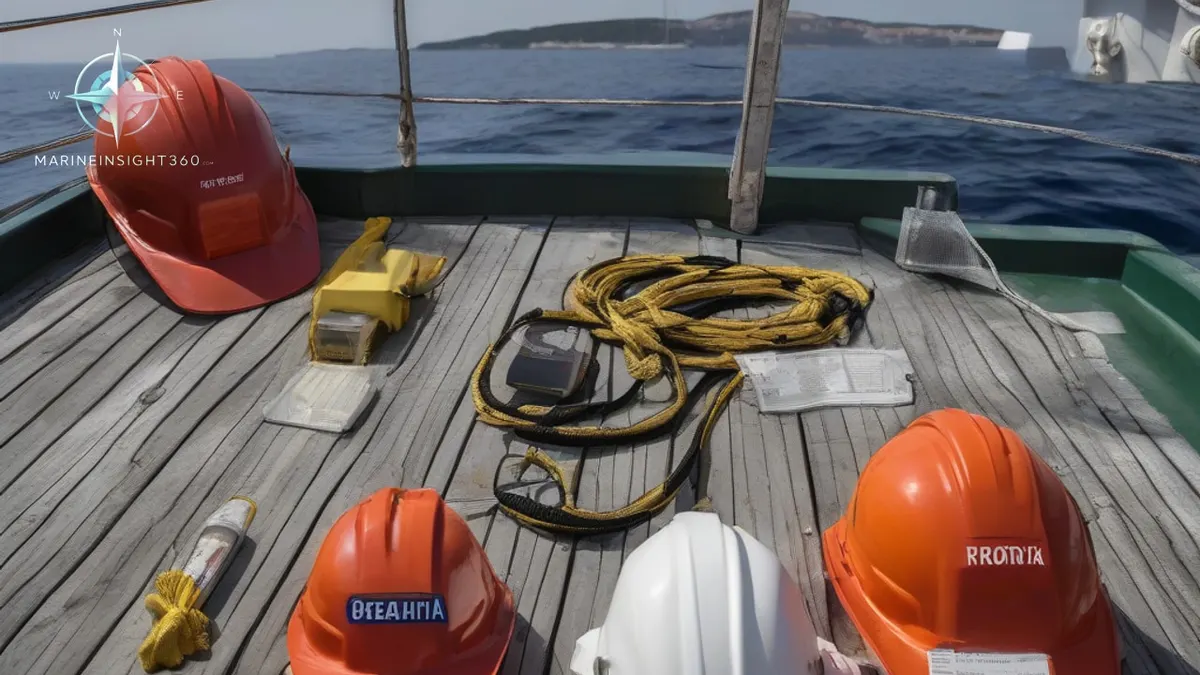
Croatia has implemented sweeping maritime reforms following a boating disaster that claimed four lives on the island of Šolta. The tragedy led to a major overhaul of the country's maritime safety regulations.
The reforms aim to improve safety standards for all types of vessels operating in the Adriatic Sea, including commercial ships and recreational boats. This move is likely to have a positive impact on the safety of trade routes in the region, particularly for ships traveling to and from Croatian ports.
Croatia's maritime sector is subject to international regulations, including those set by the International Maritime Organization (IMO) and the Safety of Life at Sea (SOLAS) convention. The new reforms will help Croatia meet these international standards and improve its reputation as a safe and reliable maritime nation.
The reforms are also expected to affect the country's fleet of passenger ships and ferries that operate in the Adriatic Sea. These vessels play a vital role in transporting people and goods between Croatian islands and the mainland. By improving safety standards, Croatia can reduce the risk of accidents and protect the lives of passengers and crew.
This matters to the industry because improved safety standards in the Adriatic Sea will have a positive impact on the reputation of Croatian ports and the overall safety of maritime trade in the region.
Why the big markets care
In the high-volume markets, the US, UK, Europe, Singapore, Canada and Australia, this safety story matters to the extent it moves freight, regulation, hiring or investment in those trades.
What readers should watch
Safety stories need careful reading because early reports can change as investigations, inspections or company reviews progress. Readers should watch for official follow-up, company confirmation and any change in operational guidance before treating early details as final.
Why this counts
Croatia Charts a New Course for Adriatic Safety: Sweeping Maritime Reforms Emerge After Tragic Šolta Boating Disaster Claims Four Lives is worth a pause because maritime stories compound: a single change touches owners, charterers, insurers, ports and crews, and the consequences outlast the news cycle.
Read it for the operational meaning, the decisions it affects and the facts still to be pinned down.
Operational context
On the ground, a safety story like this can shape voyage planning, budgets, charterer expectations and insurer terms. The real question is which teams have to respond.
It is also why sourcing matters: check the report against official notices, company statements and port or flag-state guidance before acting on it.
Points to track
- Official follow-up from agencies, flag states or classification societies.
- Any change to voyage planning or cost.
- Knock-on effects for charter rates, hiring or compliance checks.
- Whether the practical impact widens or turns out smaller than first reported.
Reading it right
The honest way to use this safety story is to ask what, if anything, it changes for you: a route, a cost, a certificate, a hiring plan. Where the answer is nothing, it is background; where it is something, verify it before you rely on it.