DEME secures Zeevonk wind farm foundation installation contract
DEME secured a €300M contract to install 69 monopile foundations for Phase 1 of the Zeevonk offshore wind farm in the Dutch North Sea. Learn the operational imp
Why the Contract Matters
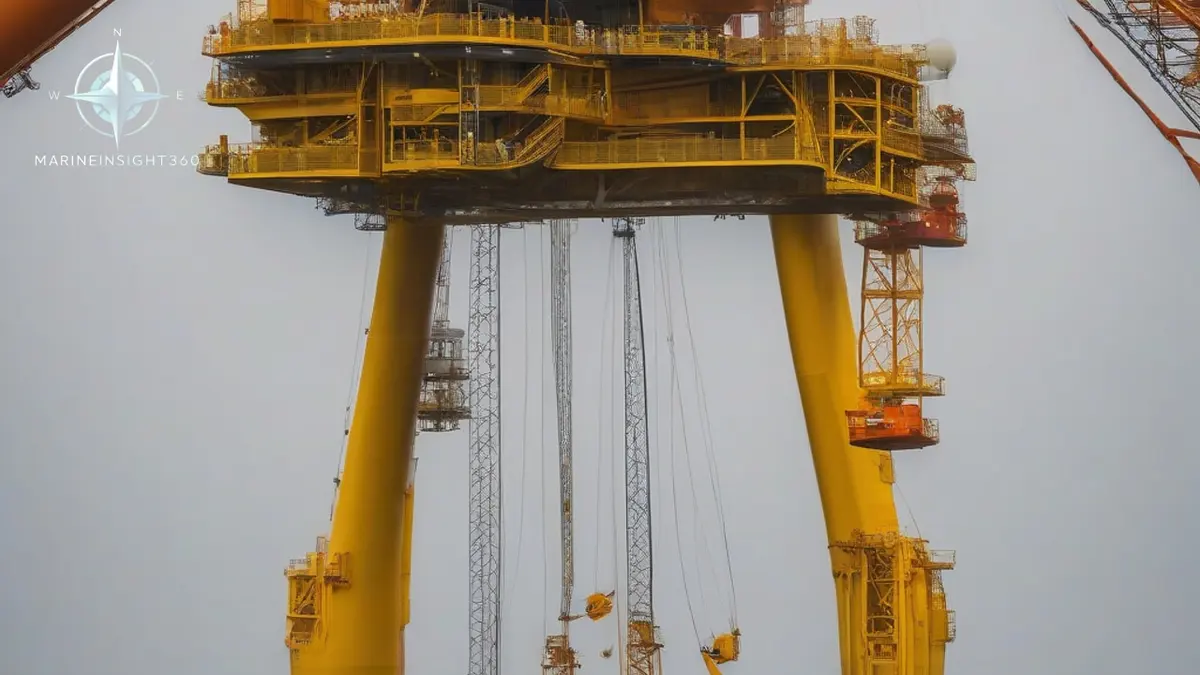
DEME has been awarded a €300 million contract to transport and install 69 monopile foundations for Phase 1 of the Zeevonk wind farm, an offshore project in the Dutch North Sea. The deal, signed by Vattenfall and CIP, marks a significant milestone for the company and for the Dutch offshore wind sector, which is targeting 1 GW of new capacity in the first phase.
Scope and Scale of the Project
The Zeevonk project is a 1 GW wind farm located off the coast of the Netherlands. Phase 1 requires the installation of 69 monopile foundations, each designed to support a wind turbine. DEME’s role covers the entire supply chain from transport of the foundations to their precise placement on the seabed.
- Number of foundations: 69 monopiles
- Project value: up to €300 million
- Location: Dutch North Sea, near the Zeevonk wind farm site
- Client: Vattenfall and CIP
Choosing the Right Contractor
When selecting a contractor for offshore foundation installation, operators weigh several criteria:
- Technical expertise – Proven experience with monopile foundations and similar wind farm projects.
- Fleet capability – Availability of jack‑up vessels, heavy‑lift cranes, and specialized transport barges.
- Schedule reliability – Ability to meet tight construction windows, especially in the North Sea’s variable weather.
- Cost competitiveness – Transparent pricing structures that align with the project budget.
- Safety record – Demonstrated compliance with IMO and national safety regulations.
DEME’s selection reflects its track record in large‑scale offshore construction and its robust fleet, which includes vessels capable of handling the 69 monopiles required for Zeevonk.
Operational Challenges and Trade‑offs
Installing monopile foundations in the North Sea involves several operational trade‑offs:
- Vessel type – Jack‑up vessels provide stability but have limited deck space; heavy‑lift cranes offer greater reach but require more complex logistics.
- Weather windows – The Dutch North Sea can experience high winds and rough seas; scheduling must balance weather forecasts against project deadlines.
- Transport logistics – Foundations must be moved from the fabrication yard to the installation site, often via dedicated transport barges or specialized vessels.
- Installation precision – Accurate placement is critical to avoid costly rework; this demands advanced positioning systems and skilled crews.
Operators must decide whether to prioritize speed (using larger vessels) or precision (using smaller, more maneuverable craft). Each choice impacts cost, crew hours, and risk exposure.
Common Pitfalls in Foundation Installations
Even with experienced contractors, several mistakes can derail a project:
- Underestimating weather impact – Failure to secure sufficient weather windows can cause schedule slippage.
- Inadequate coordination with port authorities – Misaligned berth schedules can delay vessel arrivals.
- Insufficient crew training – Monopile installation requires specialized skills; gaps can lead to safety incidents.
- Ignoring supply chain bottlenecks – Delays in foundation fabrication or transport can cascade into installation delays.
DEME’s contract includes built‑in risk mitigation measures, such as contingency planning for weather and robust coordination with Dutch port authorities.
Impact on Crew and Port Operations
For seafarers and port operators, the Zeevonk installation will bring:
- Increased crew hours – Monopile installation is labor‑intensive; crews will need to work in shifts to meet project timelines.
- Port slot demand – The Dutch ports of Rotterdam and Groningen will see higher berth usage for vessel berthing and foundation unloading.
- Skill development – Operators will gain experience with advanced positioning systems and heavy‑lift operations.
- Safety focus – The project’s high profile will reinforce stringent safety protocols across the crew and port staff.
These operational demands underscore the importance of meticulous planning and crew readiness.
What This Means for the Industry
DEME’s €300 million contract for Zeevonk’s Phase 1 foundations illustrates the growing demand for specialized offshore construction services in the North Sea. It also highlights the need for operators to partner with contractors who can deliver technical excellence, schedule reliability, and safety at scale. As the offshore wind market expands, similar contracts will likely follow, reinforcing the importance of fleet versatility and crew expertise.
For seafarers, cadets, and shipping professionals, the Zeevonk project offers a real‑world example of how large‑scale offshore wind projects are executed, the challenges involved, and the operational impact on crews and ports.
Next step: explore the Marine Machinery section on Marine Insight 360 for deeper insights into the equipment used in monopile installations.