DP World enters negotiations to develop container terminal at Port of Corpus Christi
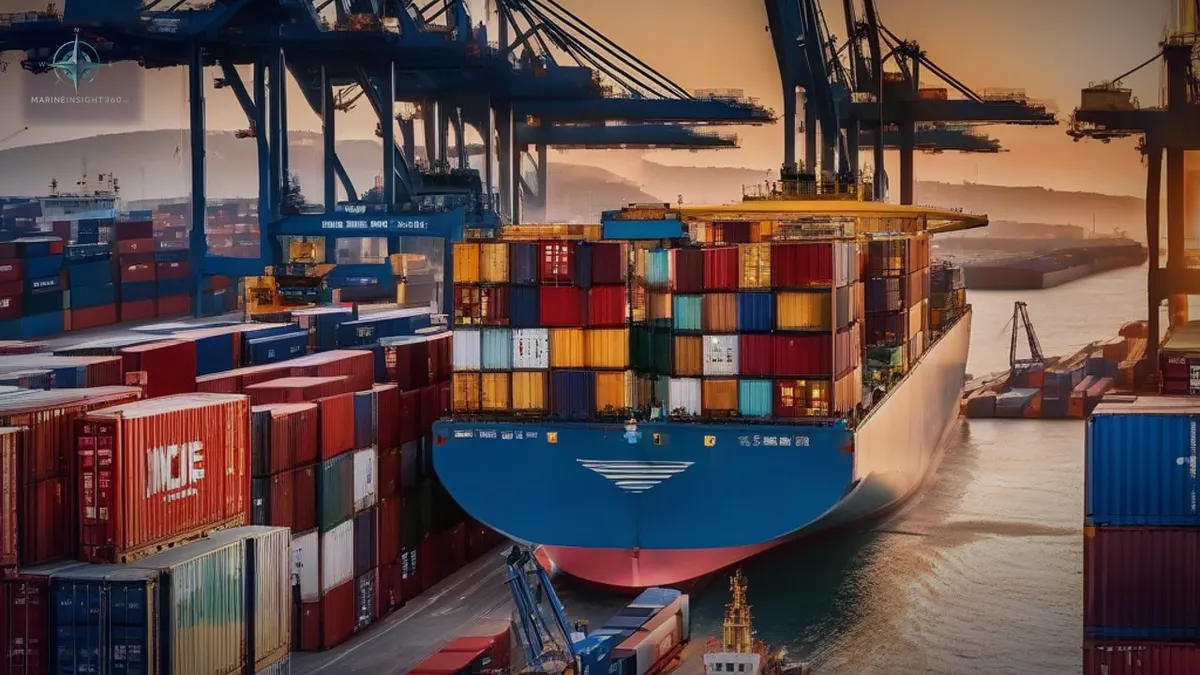
DP World has entered negotiations to develop a container terminal at the Port of Corpus Christi.
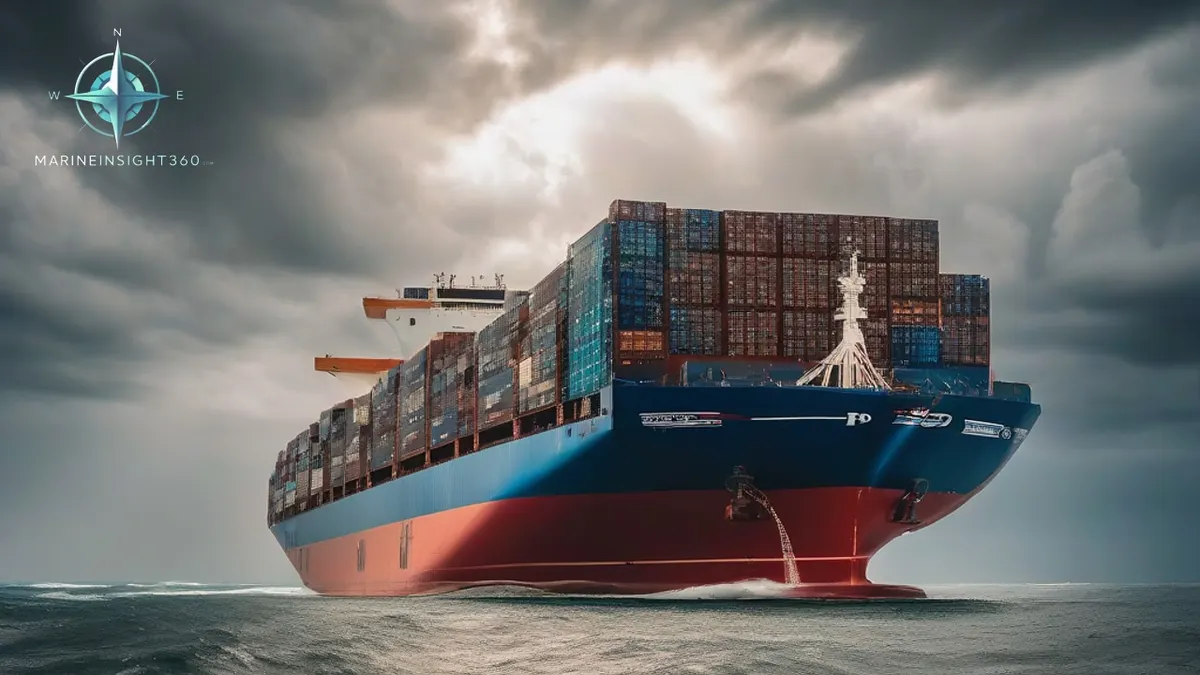
DP World has entered negotiations to develop a container terminal at the Port of Corpus Christi. This move is part of the company's efforts to expand its presence in the US market. The Port of Corpus Christi is a major hub for international trade, particularly for cargo shipments between the US and Asia.
The development of a new container terminal will likely increase the port's capacity to handle larger volumes of cargo, including containers and project cargo. This could lead to increased efficiency and reduced congestion at the port. The terminal will also be designed to meet the latest international safety and security standards, including those set by the International Maritime Organization and the Safety of Life at Sea convention.
The Port of Corpus Christi is strategically located on the Gulf of Mexico, making it an ideal location for trade with Asia and other parts of the world. The port is also connected to major rail and road networks, providing easy access to key markets in the US. DP World's investment in the port will likely attract new business and create jobs in the region.
This development is part of a larger trend of investment in port infrastructure in the US, driven by growing demand for international trade and the need for more efficient and secure supply chains. The growth of international trade has led to an increase in the number of container ships and other types of vessels using US ports, highlighting the need for modern and efficient port facilities.
The development of a new container terminal at the Port of Corpus Christi will increase the port's competitiveness and provide new opportunities for trade and economic growth in the region. This matters to the industry because it will help to meet the growing demand for container shipping and support the continued growth of international trade.
The market angle
Across the leading maritime hubs, from Singapore and Rotterdam to Houston and the UK, a shipping development like this is read for its practical signal: cost, compliance and demand rather than the announcement itself.
What readers should watch
Safety stories need careful reading because early reports can change as investigations, inspections or company reviews progress. Readers should watch for official follow-up, company confirmation and any change in operational guidance before treating early details as final.
Reading the significance
This shipping development matters less for the announcement than for its reach. One story can move voyage plans, insurance terms, commercial choices and crewing needs at once.
The task is to trace what changes on the ground and what is still unconfirmed.
On the operational side
A shipping story of this kind can move compliance budgets, chartering assumptions, insurer expectations and crew planning at once. The question is not just what happened, but who needs to act.
Source discipline matters here: compare the account with official guidance and company disclosures before relying on it.