European Commission transferred $140,000 to IMO for Ukraine, strengthening maritime safety
EU’s $140k transfer to IMO supports Ukraine’s maritime security, enhancing safety, corridor navigation, and technical assistance for crews.
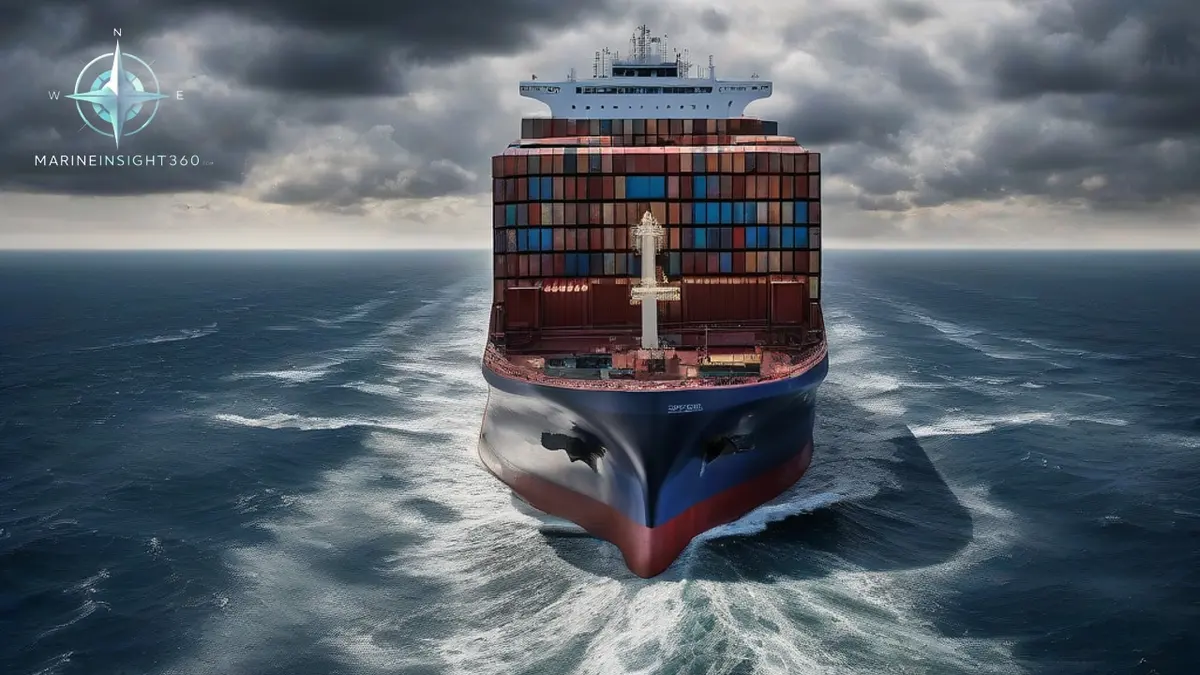
The European Commission transferred $140,000 to the IMO’s Ukraine project, money earmarked for maritime security and environmental protection work in the Black Sea. France, the United Kingdom and Canada have made similar pledges, bringing the international total behind the project to $550,000.
Why the transfer matters for crews and operators
Seafarers working in the Black Sea and adjacent waters will soon benefit from clearer navigation routes, improved emergency response coordination, and increased technical support from the International Maritime Organization (IMO). The funding helps deliver the infrastructure and expertise that make those benefits a reality.
SENTINEL Program: From planning to action
On 13 May 2026, the SENTINEL Program entered its implementation phase. The program, designed to strengthen Ukraine’s maritime security, is backed by EU and NATO partners. The second steering committee meeting on 6 May 2026 set the agenda for deploying surveillance assets and training local personnel. As a result, crews can expect:
- Enhanced real‑time monitoring of maritime traffic.
- Standardized reporting protocols that align with IMO guidelines.
- Access to joint exercises with NATO maritime forces.
IMO’s technical assistance on the ground
Ukraine and the IMO have agreed on a detailed plan for technical assistance, including the deployment of IMO experts within Ukrainian waters. This presence will focus on:
- Implementing safety management systems on commercial vessels.
- Conducting vessel inspections to meet IMO standards.
- Providing training on emergency response and environmental protection.
Special maritime corridor in the Black Sea
IMO Resolution A.1183(33) recognizes Ukraine’s establishment of a special maritime corridor in its sovereign waters. The corridor is intended for commercial vessels and is expected to:
- Reduce navigation risks in contested areas.
- Provide a clear legal framework for vessel passage.
- Facilitate coordination between Ukrainian authorities and foreign flag states.
EU and NATO interagency coordination
The EU and NATO are working together to streamline maritime security efforts. This collaboration includes:
- Joint intelligence sharing on potential threats.
- Coordinated search and rescue (SAR) operations.
- Standardized communication protocols for vessels in the region.
SAFE instrument and EU initiatives
The SAFE instrument, part of existing EU initiatives, complements the support for Ukraine. It enhances member states’ ability to deliver:
- Rapid response capabilities for maritime incidents.
- Environmental protection measures against oil spills.
- Training programs for crew members on best practices.
Diplomatic engagement in London
Italian and Ukrainian diplomatic missions jointly organized a presentation at the IMO headquarters in London. The event highlighted:
- Progress on technical assistance agreements.
- Future plans for joint maritime exercises.
- Opportunities for crew training under the new framework.
What this means for you on board
1. Clearer navigation – The special corridor and improved surveillance reduce uncertainty for commercial vessels operating near Ukraine.
2. Better safety oversight – IMO experts on the ground will conduct inspections and provide guidance, helping crews meet international safety standards.
3. Enhanced emergency response – EU‑NATO coordination means quicker SAR support and shared resources during incidents.
4. Training opportunities – The SAFE instrument and SENTINEL Program open doors to new courses and certifications for crew members.
What the Black Sea corridor replaced
The route Ukrainian traffic uses now is the second arrangement, not the first. Between July 2022 and July 2023 the Black Sea Grain Initiative ran under a Joint Coordination Centre in Istanbul, staffed by the UN, Turkiye, Ukraine and Russia, with inbound and outbound ships inspected there. Russia left the deal in July 2023 and it lapsed.
Ukraine then opened a corridor of its own, hugging the western shore inside Romanian and Bulgarian territorial waters, where the coastline gives some shelter. It carries no inspection regime and no Russian consent, which is what makes work on charting, reporting and emergency response consequential rather than symbolic.
The mines are the part that needs navies
Drifting moored mines have been the recurring hazard for merchant shipping in the north-western Black Sea, and several have been destroyed off the Turkish, Romanian and Bulgarian coasts since 2022. A drifting mine does not respect a corridor, so a charted route is only as good as the sweeping behind it.
Turkiye, Romania and Bulgaria signed a trilateral agreement in Istanbul in January 2024 to run a joint mine countermeasures group using their own navies. Outside help is constrained: the Montreux Convention limits warship transits of the Turkish Straits by states that do not border the Black Sea.