
Safety Management System (SMS): The Rulebook Every Ship Runs On
What a safety management system is in shipping: the ISM Code framework of procedures, drills, audits and the DPA that turns safety from intention into system.
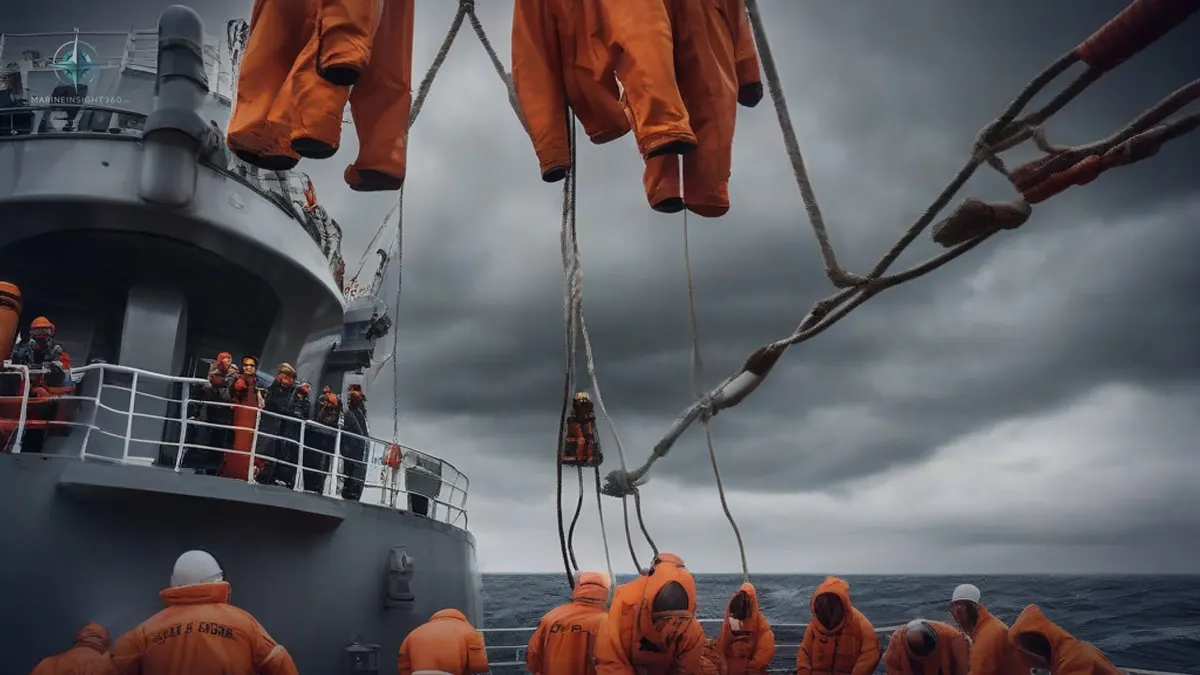
A safety management system, SMS for short, is the structured set of policies, procedures and checklists through which a shipping company manages safety at sea. It is required by the ISM Code, and it turns safety from a slogan into a documented, auditable way of running a ship.
The idea has a hard history. The 1987 Herald of Free Enterprise capsize killed 193 people because a bow door was left open. The inquiry exposed management failure rather than crew failure. The ISM Code was the industry's structural answer. It makes companies prove, on paper and in audits, how they run their ships safely.
What the System Contains
- Policies: the company's stated commitments on safety, environment and drugs and alcohol.
- Procedures: step-by-step instructions for shipboard operations, from bunkering to enclosed space entry to heavy weather preparation.
- Checklists and permits: the working documents that force critical steps to happen in order.
- Emergency plans: fire, flooding, grounding, man overboard, each with assigned roles and drill schedules.
- Maintenance system: planned maintenance with records, tied to critical equipment lists.
- Reporting and review: near-miss and non-conformity reporting, internal audits, and an annual management review that closes the loop.
The People and Certificates Behind It
Two documents prove the system is real. The company holds a Document of Compliance, the DOC. Each ship carries a Safety Management Certificate, the SMC. Both are issued after audits by the flag state or its recognized organization. Ashore, the Code requires a Designated Person Ashore, the DPA. This is a named individual with direct access to top management, whom any crew member can contact about safety. The route bypasses the commercial chain entirely.
That single role is the Code's sharpest idea: safety concerns get a phone number that does not report to the people worried about schedule.
How It Works On Board Day to Day
The crew meets the system as familiarization on joining and as checklists before critical jobs. It returns as drills on the schedule, and as reports after anything goes wrong or nearly does. A good SMS reads like it was written by people who have done the work. Its procedures are short enough for a tired third engineer to follow at three in the morning. A bad one reads like it was written for auditors, and ships feel the difference immediately.
The paperwork burden is real, and the industry's ongoing project is digitizing and slimming systems without losing the discipline.
Audits, Port State and the Cost of Failure
Internal audits check the system yearly. External audits renew the certificates on a five-year cycle with intermediate verification. Port state control officers in the United States, United Kingdom and Europe test the system's reality, not its binders. They ask a rating to demonstrate a fire pump start, or ask the mate how a permit works. Detentions for ISM failures are among the most serious findings a ship can collect, because they say the management system itself is fiction.
Charterers and insurers read those records, so a weak system costs business, not just embarrassment.
Where Systems Fail in Practice
Auditors and port state officers see the same weaknesses repeatedly, and they are worth naming because each one is preventable. Procedures drift out of date after a ship changes trade or equipment, so the manual describes a crane the vessel no longer carries. Drills become theater, signed off in minutes without hoses run or boats swung. Near-miss reporting dries up when crews learn that reports generate blame instead of fixes, which starves the system of its early warnings.
Rest-hour records get penciled into compliance while the work continues, and the falsification is treated far more seriously than the fatigue would have been. And critical equipment maintenance slips behind schedule while the planned maintenance system quietly accumulates overdue jobs that nobody escalates.
The pattern behind all of them is the same: the paperwork stays healthy while the practice decays. Good companies audit against the ship's reality, walk the deck with the checklist, and treat an honest non-conformity as the system working rather than failing. That culture difference, more than any binder, is what an experienced inspector reads within an hour of stepping aboard.
What to do next
The system governs the machinery and routines covered in these guides:
Recommended Reading
Marine Fire Safety: What the FSS Code Requires on Every Ship
How marine fire safety works under the FSS Code: fire mains and pumps, fixed gas and sprinkler systems, detection, escape gear and the drills that bind it all.
Ship Decks: Every Type, What It Does, and the Equipment It Carries
What ship decks are, from tank top to bridge: the main deck types, how they are numbered, and the windlasses, winches, cranes and hatches that work on them.
What Does SS Mean on a Ship? Steamship, and Every Other Prefix Explained
SS on a ship means steamship, a vessel driven by steam engines. What the prefix tells you, why modern ships use MV instead, and what RMS, HMS and USS mean.