Explosions hit Gulf cargo ship amid US-Iran tensions
The recent report of explosions striking a cargo vessel in the Gulf region, set against the backdrop of heightened US-Iran tensions, sends a stark...
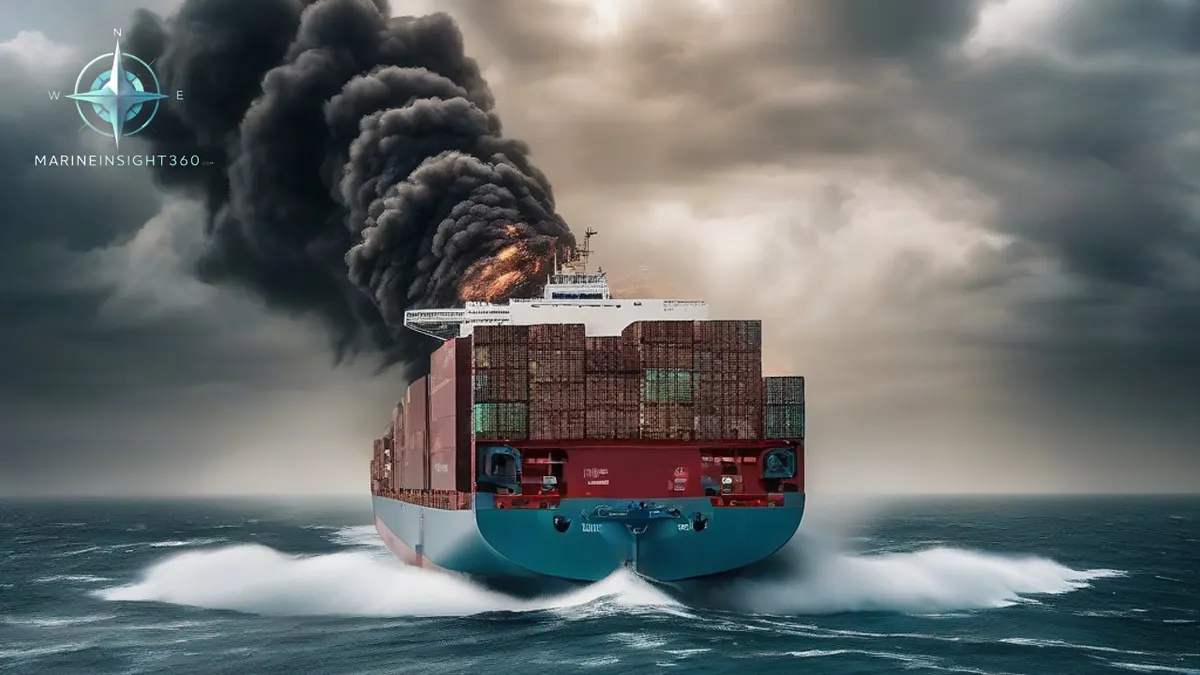
The recent report of explosions striking a cargo vessel in the Gulf region, set against the backdrop of heightened US-Iran tensions, sends a stark reminder of the volatile security landscape impacting global maritime trade. This incident, while details remain sparse, immediately raises serious concerns across the industry, from the bridge to the boardroom. For an industry that underpins global commerce, any disruption or threat to vessels operating in critical waterways necessitates immediate and thorough assessment of risk and operational adjustments to safeguard lives and assets.
Key facts about Explosions hit Gulf cargo ship amid US-Iran tensions
The Gulf region, encompassing vital energy corridors like the Strait of Hormuz, is one of the most strategically important maritime arteries on the planet. Millions of barrels of oil and significant volumes of liquefied natural gas transit these waters daily, alongside a diverse array of container ships, bulk carriers, and general cargo vessels connecting markets across Asia, Europe, and beyond. Incidents of this nature underscore the inherent vulnerabilities of such concentrated shipping lanes and the potential for geopolitical disputes to spill over into the commercial domain, creating dangerous conditions for vessels and their crews.
For seafarers, the primary concern is, as always, personal safety and security. Operating in areas prone to geopolitical friction demands constant vigilance and strict adherence to security protocols mandated by the International Maritime Organization (IMO) through conventions like SOLAS and the ISPS Code. Shipowners and operators face the immediate challenge of re-evaluating voyage risk assessments, potentially adjusting routes, enhancing on-board security measures, and navigating complex insurance implications. The human element, already under immense pressure from demanding schedules and regulatory burdens, now contends with an added layer of anxiety regarding potential threats.
The broader implications for the maritime industry extend to supply chain stability and global economics. Any perceived increase in risk in the Gulf could lead to inflated insurance premiums, increased operational costs, and potential delays or diversions, impacting the timely delivery of goods and commodities worldwide. Port operators in the region and along major trade routes must also remain acutely aware of evolving security advisories and ensure robust security frameworks are in place to protect vessels and infrastructure. This continuous cycle of threat assessment and mitigation becomes paramount in maintaining the free flow of international trade.
This incident is a sobering affirmation that maritime security is inextricably linked to geopolitical stability, underscoring the critical need for continued vigilance and adaptation across all sectors of the global maritime community.
Next steps
Follow the latest maritime news for related updates and practical context.
Why this story matters
Explosions hit Gulf cargo ship amid US-Iran tensions matters because shipping news rarely stays inside one lane. A single development can affect vessel operators, charterers, insurers, port teams, seafarers, equipment suppliers and regulators at the same time.
For readers in the United States, United Kingdom, Europe, Canada, Australia and Singapore, the value is in the practical signal behind the headline: what the development changes, what still needs confirmation and how it may affect decisions across safety, compliance, trade or fleet planning.
Operational context
Security and route-risk stories can influence voyage planning, war-risk clauses, crew briefings and insurer expectations. The operational question is not only what happened, but which teams need to respond. Ship managers may need to review risk assessments, commercial teams may revisit costs or schedules, and crews may need clearer instructions before the next voyage or port call.
This is also why source attribution matters. When a story involves prices, incidents, regulations, vessel orders, security risk or public policy, readers should compare the report with official notices, company updates and port or flag-state guidance before acting.
What to watch next
- Whether official agencies, port authorities, companies or class societies publish follow-up guidance.
- Whether the issue changes vessel schedules, insurance terms, chartering decisions, recruitment demand or compliance checks.
- Whether the story remains local, or becomes relevant to wider routes, fleets and maritime markets.
- Whether new evidence confirms the early reporting or narrows the practical impact for readers.