Global Maritime Trade Trends
Texas A&M University analyzes global maritime trade trends
Understanding Global Maritime Trade
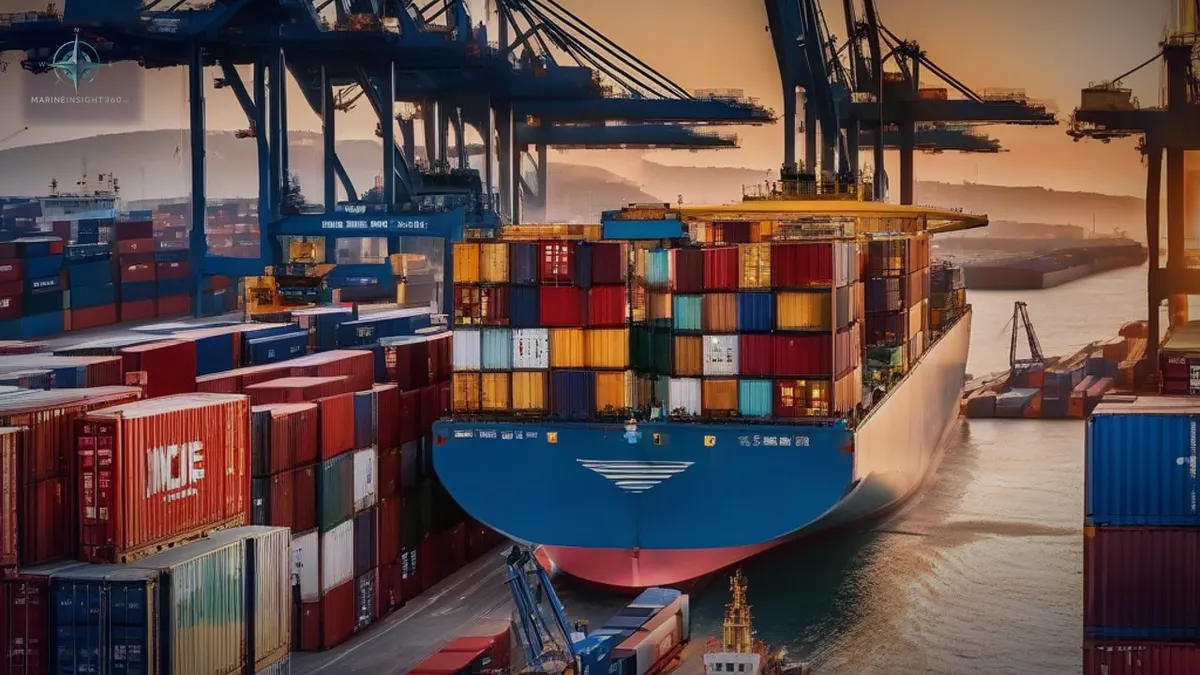
Texas A&M University has taken a close look at global maritime trade, examining the trends that shape the industry. The study likely considered key trade routes, such as the busy Asia-Europe route, which is a major artery for international commerce.
Key Players and Regulations
This route is plied by some of the largest container ships in the world, which must comply with International Maritime Organization (IMO) and Safety of Life at Sea (SOLAS) regulations to ensure safe and efficient operation. The global maritime trade is a complex system, with many different types of vessels, including bulk carriers, tankers, and container ships, each with its own unique characteristics and operational requirements.
Implications for the Industry
The study by Texas A&M University provides valuable insights into the global maritime trade, highlighting trends and patterns that can inform decision-making by shipowners, operators, and other industry stakeholders. By analyzing data on trade volumes, vessel traffic, and other factors, the study can help identify opportunities for growth and improvement, as well as potential challenges and risks.
This information can be used to optimize fleet operations, improve safety and efficiency, and reduce costs. The results of the study are likely to be of great interest to maritime professionals, including shipowners, operators, and crews, as well as to port authorities, regulators, and other stakeholders.
Reading the significance
This shipping development matters less for the announcement than for its reach. One story can move voyage plans, insurance terms, commercial choices and crewing needs at once.
The task is to trace what changes on the ground and what is still unconfirmed.
On the operational side
A shipping story of this kind can move compliance budgets, chartering assumptions, insurer expectations and crew planning at once. The question is not just what happened, but who needs to act.
Source discipline matters here: compare the account with official guidance and company disclosures before relying on it.
What to watch next
- Whether regulators, port authorities, companies or class societies issue follow-up guidance.
- Whether it shifts schedules, insurance terms, chartering or recruitment demand.
- Whether it stays local or spreads to wider routes and fleets.
- Whether later evidence confirms or narrows the early reporting.
The practical angle
Treat this shipping development as a prompt, not a conclusion. Separate the reported facts from the operational consequences, confirm anything you would act on against the primary source, and decide who on your side actually needs to know.