Green shipping transition creates modernisation opportunity for Pakistan’s ports-INP
The global maritime industry is navigating an unprecedented period of environmental transformation, driven by increasingly stringent regulations and a collective...
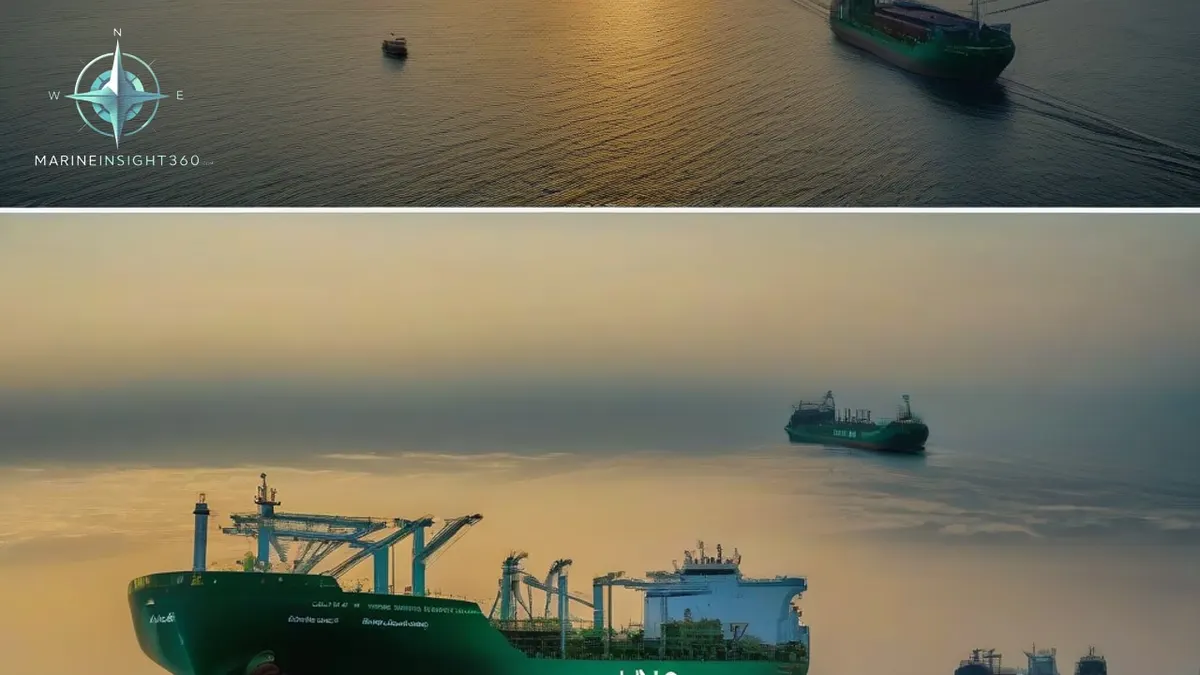
Independent News Pakistan reports that the green shipping transition creates a modernisation opportunity for Pakistan's ports, which would require shore power for berthed ships, multi-fuel bunkering for LNG, methanol and ammonia, and better digital cargo handling.
The global maritime industry is navigating an unprecedented period of environmental transformation, driven by increasingly stringent regulations and a collective commitment to decarbonisation. Within this evolving landscape, a recent report from Independent News Pakistan (INP) highlights that the ongoing green shipping transition creates a modernisation opportunity for Pakistan’s ports. This perspective underscores a critical juncture where environmental imperatives converge with strategic infrastructure development, positioning the nation’s maritime gateways to meet future operational demands and contribute to global sustainability efforts.
Key facts about Green shipping transition creates modernisation opportunity for...
The impetus for this green transition originates largely from international bodies like the International Maritime Organization (IMO), which has set ambitious targets for greenhouse gas (GHG) reduction, including a 20% cut by 2030 and a net-zero ambition by or around 2050. These targets, alongside measures such as the Carbon Intensity Indicator (CII) and FuelEU Maritime, compel shipowners and operators to invest in alternative fuels, energy-efficient technologies, and optimized operational practices. Consequently, port infrastructure worldwide must adapt rapidly to support a diversified fleet, offering services like shore power connectivity for vessels at berth (cold ironing) and bunkering facilities for new fuels such as LNG, methanol, ammonia, or hydrogen.
For Pakistan’s ports, embracing this modernisation opportunity entails a comprehensive overhaul of existing facilities and the strategic development of new capacities. This transformation typically involves enhancing digital integration for streamlined operations, improving cargo handling efficiency to reduce vessel turnaround times, and critically, developing the necessary infrastructure to support the next generation of green vessels. Equipping ports with cold ironing capabilities not only reduces ship emissions in port but also significantly improves local air quality, benefiting port communities and aligning with global environmental best practices. Similarly, preparing for multi-fuel bunkering capabilities is essential to attract and service modern fleets adopting various propulsion technologies.
Pakistan's strategic geographical location on the Arabian Sea, serving as a gateway to landlocked Central Asian states and positioned along critical global trade routes, amplifies the significance of this modernisation. Investing in green port infrastructure can significantly enhance its competitiveness and appeal to international shipping lines looking for efficient, environmentally compliant transit and logistics hubs. By aligning with global standards for sustainability and operational excellence, Pakistan’s ports can solidify their role in complex supply chains, ensuring long-term viability and attracting further investment in the maritime sector. This proactive approach will be crucial for maintaining relevance in a highly competitive global shipping market.
Realizing this opportunity will undoubtedly require substantial investment, forward-thinking policy, and robust public-private partnerships. However, the benefits extend beyond mere compliance, offering a pathway to increased operational efficiency, reduced environmental footprint, and enhanced economic resilience. For seafarers, this could mean safer, more technologically advanced port environments; for shipowners, reliable access to essential green services; and for engineers and port operators, new challenges and opportunities in managing cutting-edge infrastructure.
The green shipping transition presents a pivotal moment for Pakistan's ports to strategically invest in future-proof infrastructure, securing its position as a vital, sustainable maritime hub in the global trade network.
For the leading markets
Professionals in the world's busiest maritime markets treat a sustainability development as a data point on trade exposure, port activity and commercial demand, useful only where it touches their own routes and rules.
The wider stakes
Why give this sustainability story attention? Because in shipping a single event ripples outward, to owners, cargo interests, insurers, ports and crews, faster than the first report suggests.
What matters is separating the confirmed facts from the knock-on effects on cost, routing, compliance and hiring.