Container Shipping Market Faces Uncertainty and Safety Risks
The container shipping market is facing a return to normal after a period of uncertainty, according to Niels Rasmussen, Chief Shipping Analyst at BIMCO (Hellenic...
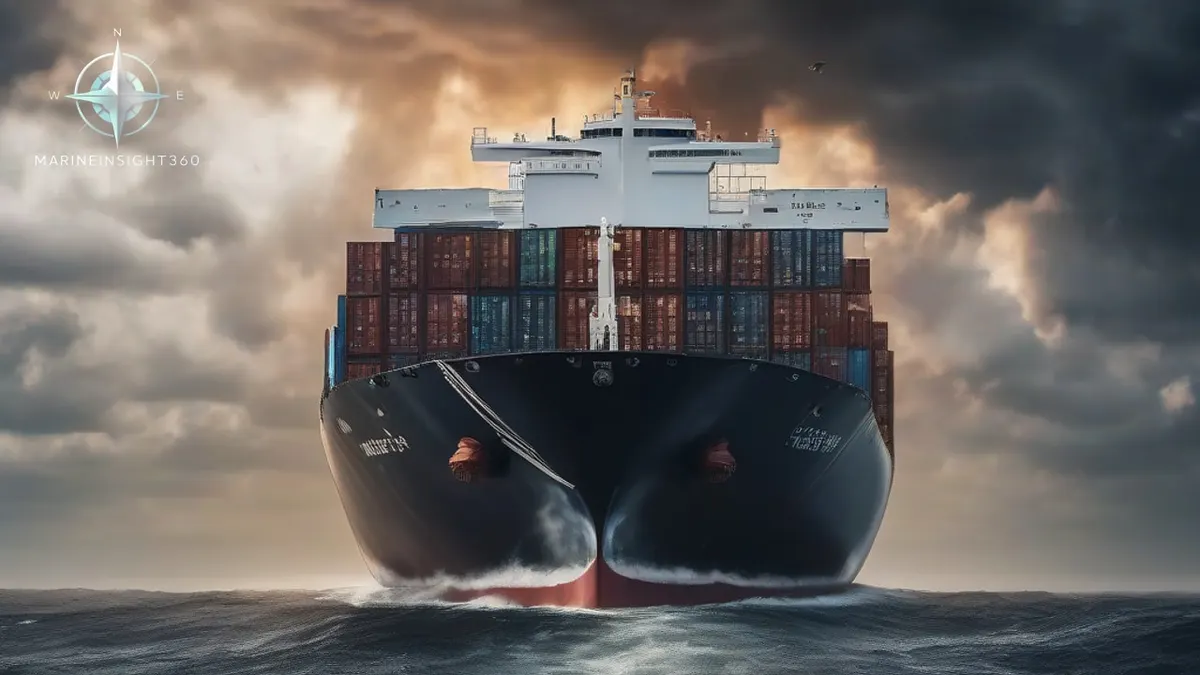
The Current Picture The container shipping market is facing a return to normal after a period of uncertainty, according to Niels Rasmussen, Chief Shipping Analyst at BIMCO (Hellenic Shipping News). However, significant uncertainty will remain and continue to shape market outcomes. The US/Iran agreement and the reopening of the Strait of Hormuz are key factors that will impact the market. Whether ships can return to normal Suez Canal operations is also a concern.
What the Data Shows New statistics released by Allianz show that a container ship fire occurs every 17 days (Hellenic Shipping News). This highlights the persistent risk posed by misdeclared and undeclared dangerous goods. According to the Allianz Safety & Shipping Review 2026, misdeclared cargo is still a major contributor to container ship fires. This data is supported by a report from gCaptain, which also cites the frequency of container ship fires.
Safety Risks Misdeclared and undeclared dangerous goods pose a major threat to seafarers, shipping, and global supply chains (Hellenic Shipping News). The risk of container ship fires is a persistent concern, with a fire occurring roughly every 17 days (gCaptain). This highlights the need for increased vigilance and safety measures to prevent such incidents. The World Shipping Council (WSC) has also warned about the dangers of misdeclared cargo.
What This Means for Operators The uncertainty in the market and the risk of container ship fires will have a significant impact on operators (Hellenic Shipping News). They will need to be prepared for changes in the market and take steps to mitigate the risk of fires on their ships. This may include increased safety measures, such as improved cargo screening and inspection procedures. Operators will also need to stay up to date with the latest developments in the market and adjust their operations accordingly.
What to Watch The reopening of the Strait of Hormuz and the US/Iran agreement will be key factors to watch in the coming months (Hellenic Shipping News). The impact of these events on the market and shipping operations will be significant. Additionally, the risk of container ship fires and the measures being taken to prevent them will be an important area to monitor. The shipping industry will need to work together to address the issue of misdeclared cargo and prevent such incidents from occurring.
Regulatory Response The regulatory response to the issue of misdeclared cargo will be critical in preventing container ship fires (Hellenic Shipping News). Governments and regulatory bodies will need to work together to develop and implement effective safety measures. This may include increased penalties for misdeclared cargo and improved safety standards for ships. The shipping industry will need to comply with these regulations to ensure the safe transportation of goods.
Industry Cooperation Industry cooperation will be essential in addressing the issue of misdeclared cargo and preventing container ship fires (gCaptain). Shipowners, operators, and regulatory bodies will need to work together to develop and implement effective safety measures. This may include sharing best practices and developing industry-wide standards for cargo screening and inspection. By working together, the shipping industry can reduce the risk of container ship fires and ensure the safe transportation of goods.
Conclusion of Current Situation The current situation in the container shipping market is one of uncertainty and risk (Hellenic Shipping News). The market is facing a return to normal after a period of uncertainty, but significant risks remain. The risk of container ship fires and the impact of the US/Iran agreement and the reopening of the Strait of Hormuz will be key factors to watch in the coming months. The shipping industry will need to be prepared for these challenges and work together to address them.
Container Shipping Market Faces Uncertainty and Safety Risks is a safety development with wider security context for shipping readers, especially where safety, compliance, crewing, trade flow or fleet decisions may be affected.
What readers should watch
Security and route-risk stories can influence voyage planning, war-risk clauses, crew briefings and insurer expectations. Readers should watch for official follow-up, company confirmation and any change in operational guidance before treating early details as final.
Why this story matters
Container Shipping Market Faces Uncertainty and Safety Risks matters because shipping news rarely stays inside one lane. A single development can affect vessel operators, charterers, insurers, port teams, seafarers, equipment suppliers and regulators at the same time.
For readers in the United States, United Kingdom, Europe, Canada, Australia and Singapore, the value is in the practical signal behind the headline: what the development changes, what still needs confirmation and how it may affect decisions across safety, compliance, trade or fleet planning.