Hong Kong expands incentives to support shipping sector and decarbonization
Hong Kong has introduced new incentives to support the shipping sector and promote decarbonization.
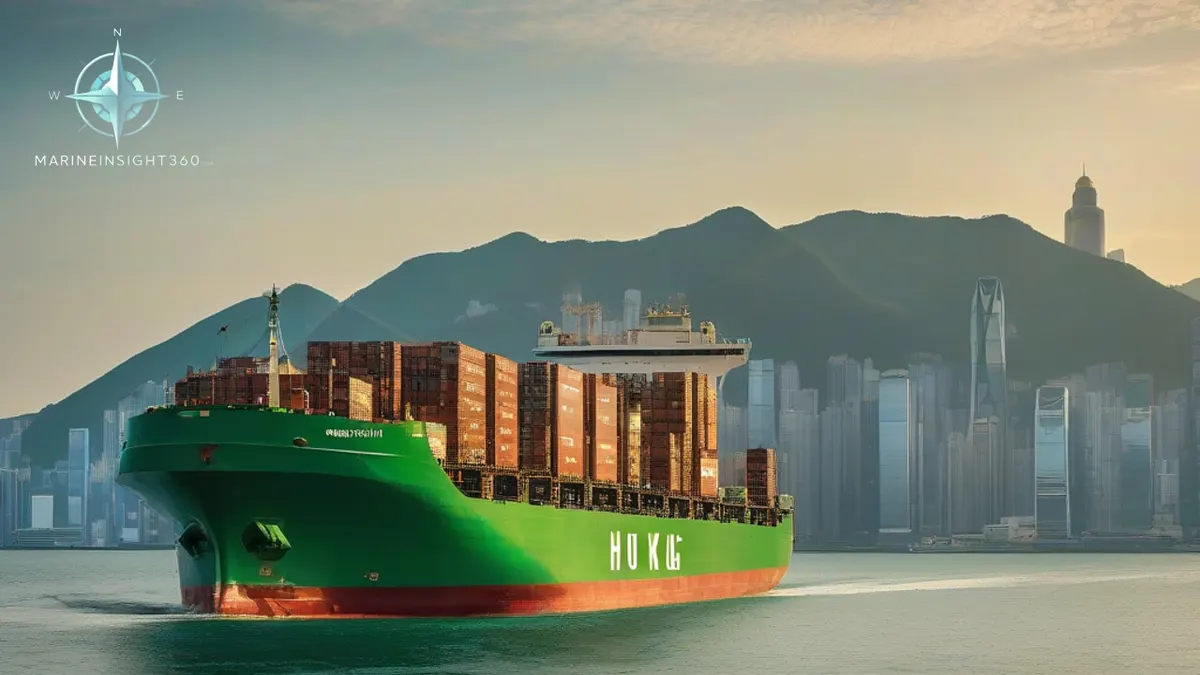
Hong Kong expands shipping incentives.
Key facts about Hong Kong expands incentives to support shipping sector and...
Hong Kong has introduced new incentives to support the shipping sector and promote decarbonization. The government aims to attract more shipowners and operators to register their vessels in Hong Kong. This move is expected to boost the city's maritime industry and increase its competitiveness in the global market.
The incentives include tax exemptions and other benefits for shipowners who register their vessels in Hong Kong. The government also plans to provide funding for research and development of green technologies and alternative fuels. This will help the shipping industry reduce its carbon footprint and meet the International Maritime Organization's (IMO) emission reduction targets.
The shipping sector is a major contributor to Hong Kong's economy, with many international shipping lines operating in the city. The expansion of incentives is expected to attract more shipping companies to set up operations in Hong Kong, creating new job opportunities and stimulating economic growth. The city's strategic location on major trade routes, including the Asia-Europe and transpacific routes, makes it an ideal hub for international shipping.
The incentives will also support the development of Hong Kong's maritime services sector, including ship management, brokerage, and insurance. The government plans to work closely with industry stakeholders to promote the city's maritime industry and attract new investments. This will help Hong Kong maintain its position as a leading maritime center and contribute to the growth of the global shipping industry.
This matters to the industry because the expansion of incentives in Hong Kong will encourage shipowners to adopt green technologies and reduce emissions, contributing to a more sustainable future for the shipping sector.
Acting on it
The practical follow-through on a sustainability development is short: confirm, communicate, and reassess any cost, compliance or scheduling call it might change.
Why the big markets care
In the high-volume markets, the US, UK, Europe, Singapore, Canada and Australia, this sustainability story matters to the extent it moves freight, regulation, hiring or investment in those trades.
Why this counts
Hong Kong expands incentives to support shipping sector and decarbonization is worth a pause because maritime stories compound: a single change touches owners, charterers, insurers, ports and crews, and the consequences outlast the news cycle.
Read it for the operational meaning, the decisions it affects and the facts still to be pinned down.
Operational context
On the ground, a sustainability story like this can shape voyage planning, budgets, charterer expectations and insurer terms. The real question is which teams have to respond.
It is also why sourcing matters: check the report against official notices, company statements and port or flag-state guidance before acting on it.
Points to track
- Official follow-up from agencies, flag states or classification societies.
- Any change to voyage planning or cost.
- Knock-on effects for charter rates, hiring or compliance checks.
- Whether the practical impact widens or turns out smaller than first reported.
Reading it right
The honest way to use this decarbonisation story is to ask what, if anything, it changes for you: a route, a cost, a certificate, a hiring plan. Where the answer is nothing, it is background; where it is something, verify it before you rely on it.