IMO adopts first global Code for autonomous ships
The IMO has adopted the first global Code for autonomous ships, a framework step toward MASS operating in regular trades.
A framework where there was a vacuum
The International Maritime Organization has adopted the first global Code for autonomous ships. The Code provides a framework for the development and operation of Maritime Autonomous Surface Ships, known as MASS, and is expected to be implemented in the near future.
Until now, autonomous vessel projects have operated inside national trial regimes and case-by-case exemptions, workable for demonstrations but useless for international trades. A ship that crosses boundaries needs rules every port and flag recognises, which is precisely what an IMO instrument exists to supply.
What a MASS code has to settle
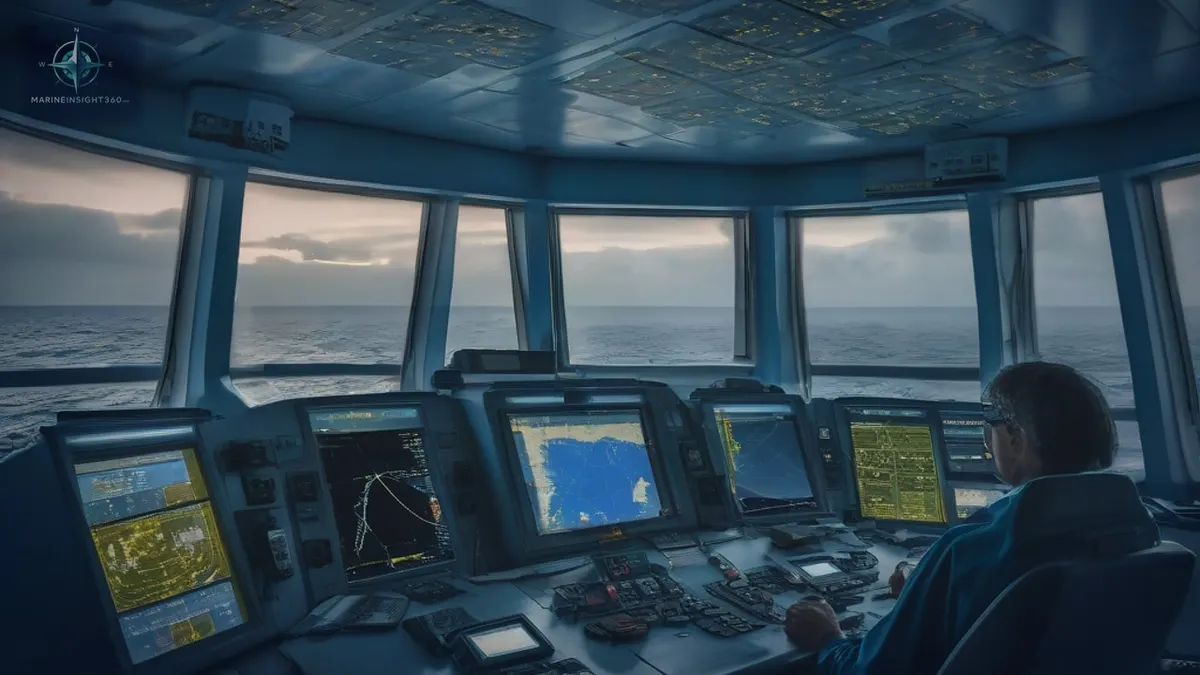
The hard questions are less about sensors than about responsibility. Who is the master when the bridge is a shore control centre? How do collision regulations written for human seamanship apply to algorithmic decisions? What competencies must a remote operator hold, and how are they certificated? A global code creates the shared vocabulary for answering these consistently.
Degrees of autonomy matter too. The framework spans ships with crews and automated support through to fully uncrewed operation, and most near-term commercial value sits at the lower rungs: automation that reduces workload and error on conventionally crewed ships.
What changes for the industry
For developers, adoption converts regulatory risk into engineering requirements they can design against. For flag states and class societies, it starts the practical work of approval procedures. For seafarers, the near-term reality is evolution rather than replacement: remote monitoring roles, new shore careers, and changed watchkeeping long before crewless deep-sea ships.
Autonomous shipping has spent a decade as pilot projects looking for a rulebook. Now the rulebook exists, the projects that survive contact with it will show what the technology is genuinely for.
The groundwork is further along than headlines suggest. Shore control centres already supervise trial vessels in several countries, coastal ferries and short-sea demonstrators have logged real operating hours, and class societies have published autonomy notations for owners to build against. What was missing was the international instrument that lets those pieces cross borders, and that is exactly the gap this adoption closes. Expect the first commercial routes to be short, fixed and unglamorous, which is how every maritime technology has entered service.
Why this matters
IMO adopts first global Code for autonomous ships rarely stays in one lane. A safety development like this can reach vessel operators, charterers, insurers, port teams, seafarers and regulators at the same time.
The useful read is the signal under the headline: what actually changes, what still needs confirming, and where it touches safety, compliance, trade or fleet planning.
What it changes day to day
Safety developments feed straight into voyage planning, compliance costs and commercial decisions. Ship managers may revisit risk assessments, commercial teams may reprice, and crews may need fresh instructions before the next call.
Confirm the detail against primary sources first, official notices, company updates, port and flag guidance, rather than acting on the headline.
Signals to follow
- Confirmation, or correction, from primary sources in the coming days.
- Movement in insurance clauses, schedules or commercial terms.
- Whether other routes, ports or fleets become exposed.
- Guidance from owners, managers or authorities that turns news into action.
What to watch
With this safety story, watch the follow-up, not the first report. Early announcements shift; what sticks is the detail that lands in regulation, contracts or budgets. Check back on the parts that would affect your own operation.