India Eyes Maritime Leadership with Rs 30,000 Crore Shipbuilding Hub in Andhra Pradesh
India is planning a Rs 30,000 crore shipbuilding hub in Andhra Pradesh to strengthen its position in global shipbuilding.
A major bet on Indian shipbuilding
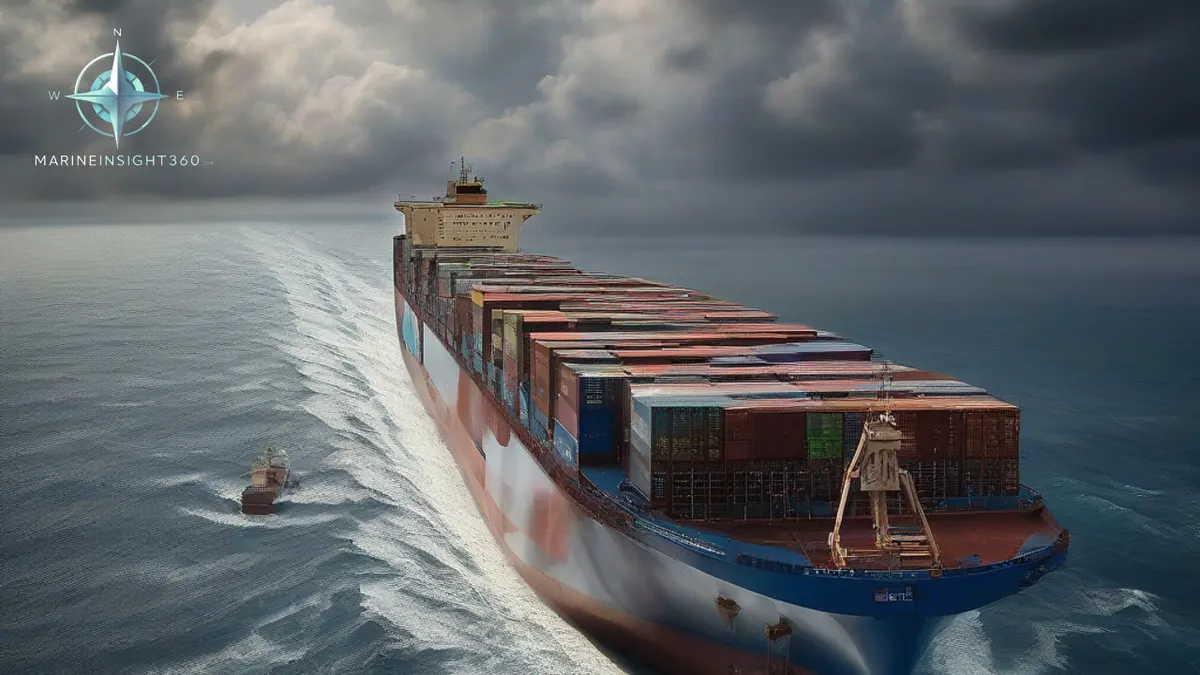
India is set to establish a large shipbuilding hub in Andhra Pradesh backed by an investment of Rs 30,000 crore. The project is intended to lift the country's maritime sector and position India as a serious contender in global shipbuilding, a market currently dominated by yards in China, South Korea and Japan.
The planned hub is expected to build a range of vessel types, including cargo ships and tankers that serve the busy trade routes running through the Indian Ocean. Location matters here: Andhra Pradesh sits on India's east coast with direct access to those routes and to the country's expanding port network.
What it takes to compete
Shipbuilding rewards scale and repetition. Established Asian yards win orders through series production, deep supplier networks and delivery reliability, so a new hub has to assemble more than docks and cranes. Steel supply, marine equipment manufacturing, class approvals and a trained workforce all have to arrive together.
The workforce piece is India's strongest card. The country already supplies a large share of the world's officers and ratings, and a domestic building programme creates shore careers for marine engineers, naval architects and welders who currently take that expertise abroad.
Why owners elsewhere should care
More building capacity changes the market for everyone. Berth space at quality yards has been tight, and owners have waited years for delivery slots. A credible new source of tonnage gives buyers negotiating room on price and schedule, particularly for mid-sized bulk carriers and tankers.
The project's success will be measured in delivered hulls rather than announcements. If the hub reaches series production, it shifts where the next generation of workhorse vessels comes from, and that touches freight markets, crewing patterns and repair networks across the region.
The spillover effects may prove as valuable as the ships. Large yards anchor ecosystems of engine licensees, steel processors, electrical contractors and design offices, and they pull repair and drydocking work that currently sails past India to other Asian hubs. A vessel built in Andhra Pradesh is also a vessel that can be surveyed, repaired and eventually recycled nearby, which is how a shipbuilding investment becomes a permanent maritime economy.
Reading the significance
This maritime development matters less for the announcement than for its reach. One story can move voyage plans, insurance terms, commercial choices and crewing needs at once.
The task is to trace what changes on the ground and what is still unconfirmed.
On the operational side
A maritime story of this kind can move compliance budgets, chartering assumptions, insurer expectations and crew planning at once. The question is not just what happened, but who needs to act.
Source discipline matters here: compare the account with official guidance and company disclosures before relying on it.
What to watch next
- Whether regulators, port authorities, companies or class societies issue follow-up guidance.
- Whether it shifts schedules, insurance terms, chartering or recruitment demand.
- Whether it stays local or spreads to wider routes and fleets.
- Whether later evidence confirms or narrows the early reporting.
The bottom line
For this maritime development, the useful skill is filtering. Most items like this are context; a few change how you plan or comply. The work is telling those two apart and passing the second kind to the right people.