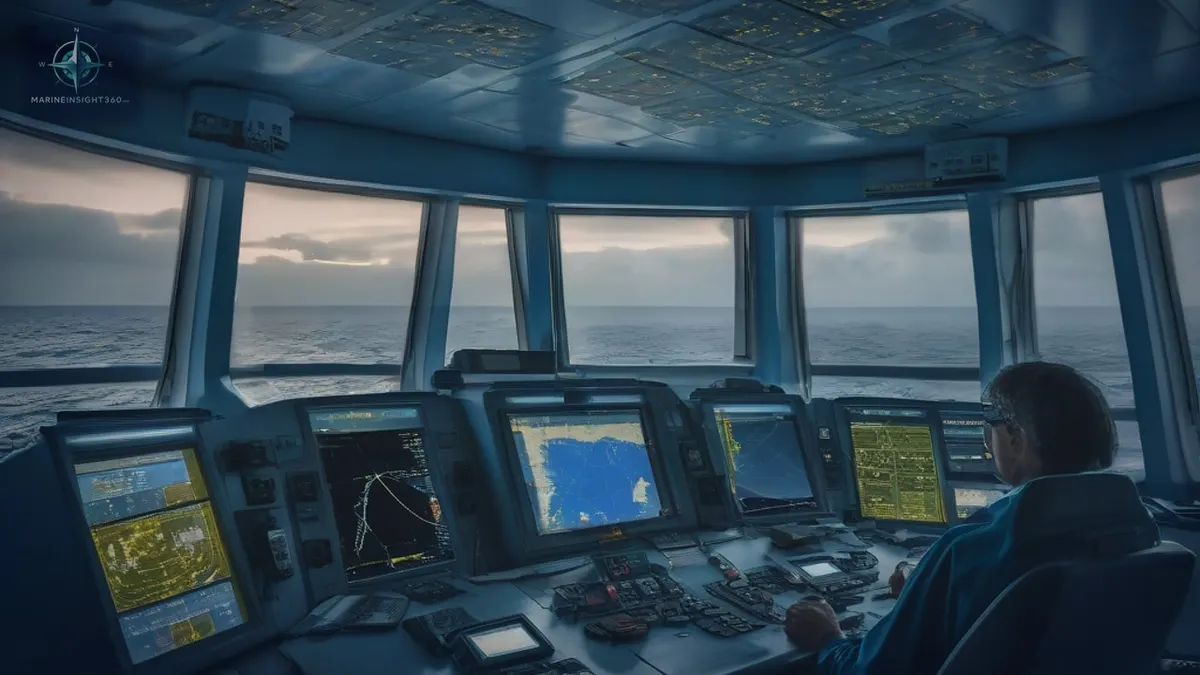
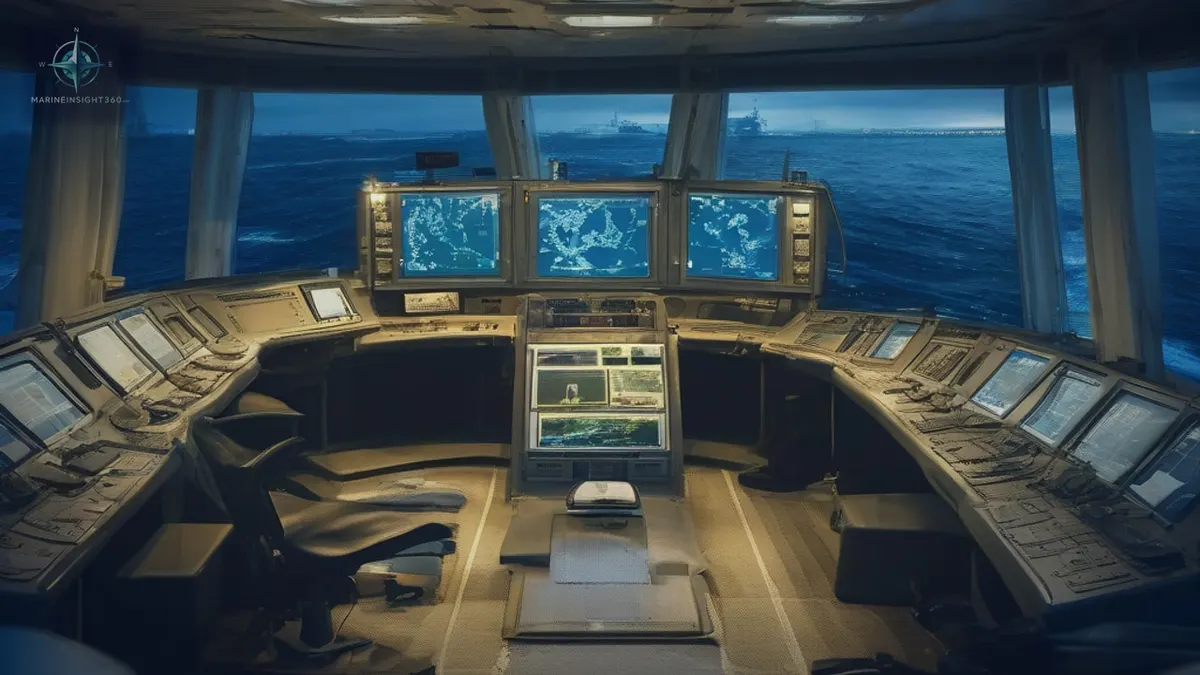
Liberty class autonomous ship construction for the US navy begins
This development marks a new era in naval operations as autonomous vessels are expected to play a key role in future maritime missions.
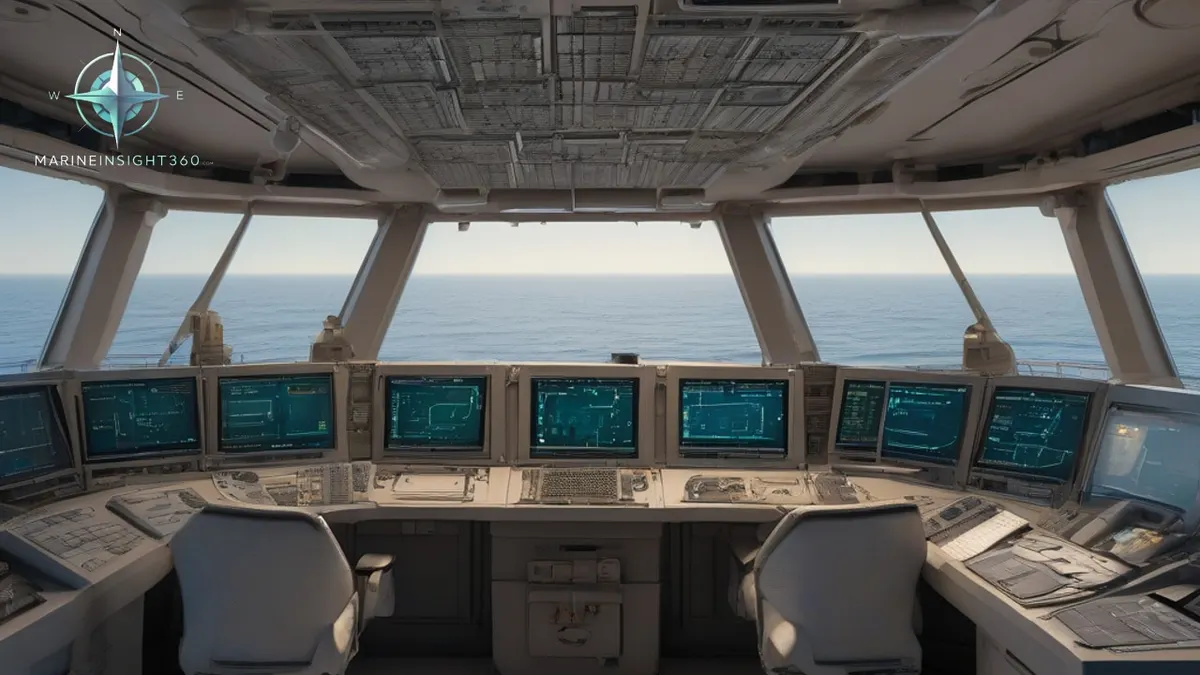
The US Navy has begun construction of its Liberty class autonomous ships, which are intended to operate with minimal human intervention, increasing endurance and reducing risk to human life.
US Navy starts building Liberty class autonomous ships.
Key facts about Liberty class autonomous ship construction for the US navy begins
The US Navy has begun construction of its Liberty class autonomous ships. This development marks a new era in naval operations as autonomous vessels are expected to play a key role in future maritime missions. The Liberty class ships will be designed to operate with minimal human intervention, increasing their endurance and reducing the risk to human life.
The introduction of autonomous ships in the US Navy fleet will likely have implications for international maritime regulations. The International Maritime Organization (IMO) has already started discussing the development of standards for autonomous vessels, which will be essential for their safe operation in busy shipping lanes. The US Navy's move to build autonomous ships may accelerate these discussions and lead to the development of new guidelines for the use of autonomous vessels in various maritime contexts.
Autonomous ships like the Liberty class will also have to comply with the Safety of Life at Sea (SOLAS) convention, which sets minimum safety standards for ships. This will require the US Navy to ensure that its autonomous vessels are equipped with systems that can respond to emergency situations and prevent accidents. The development of autonomous ships is a complex process that involves not only the design and construction of the vessels but also the development of new operational procedures and safety protocols.
The US Navy's decision to build autonomous ships reflects the growing interest in autonomous technology in the maritime industry. Autonomous vessels have the potential to increase efficiency and reduce costs in various maritime operations, from cargo shipping to offshore support. As the technology continues to evolve, we can expect to see more autonomous vessels operating in different parts of the world, which will require the development of new regulations and safety standards to ensure their safe operation.
The construction of Liberty class autonomous ships matters to the industry because it marks a major step towards the integration of autonomous technology in naval operations.
What to do with this
For a technology story that lands close to home, verify the facts, brief the right people, and re-check the decisions it bears on before committing.
The market angle
Across the leading maritime hubs, from Singapore and Rotterdam to Houston and the UK, a technology development like this is read for its practical signal: cost, compliance and demand rather than the announcement itself.
Reading the significance
This technology development matters less for the announcement than for its reach. One story can move voyage plans, insurance terms, commercial choices and crewing needs at once.
The task is to trace what changes on the ground and what is still unconfirmed.
On the operational side
A technology story of this kind can move compliance budgets, chartering assumptions, insurer expectations and crew planning at once. The question is not just what happened, but who needs to act.
Source discipline matters here: compare the account with official guidance and company disclosures before relying on it.
What to watch next
- Whether regulators, port authorities, companies or class societies issue follow-up guidance.
- Whether it shifts schedules, insurance terms, chartering or recruitment demand.
- Whether it stays local or spreads to wider routes and fleets.
- Whether later evidence confirms or narrows the early reporting.