LNG Carrier Loads in UAE as Limited Shipping Activity Returns to Hormuz
The recent return of limited shipping activity to the Strait of Hormuz is a significant development for the global maritime industry, particularly for the
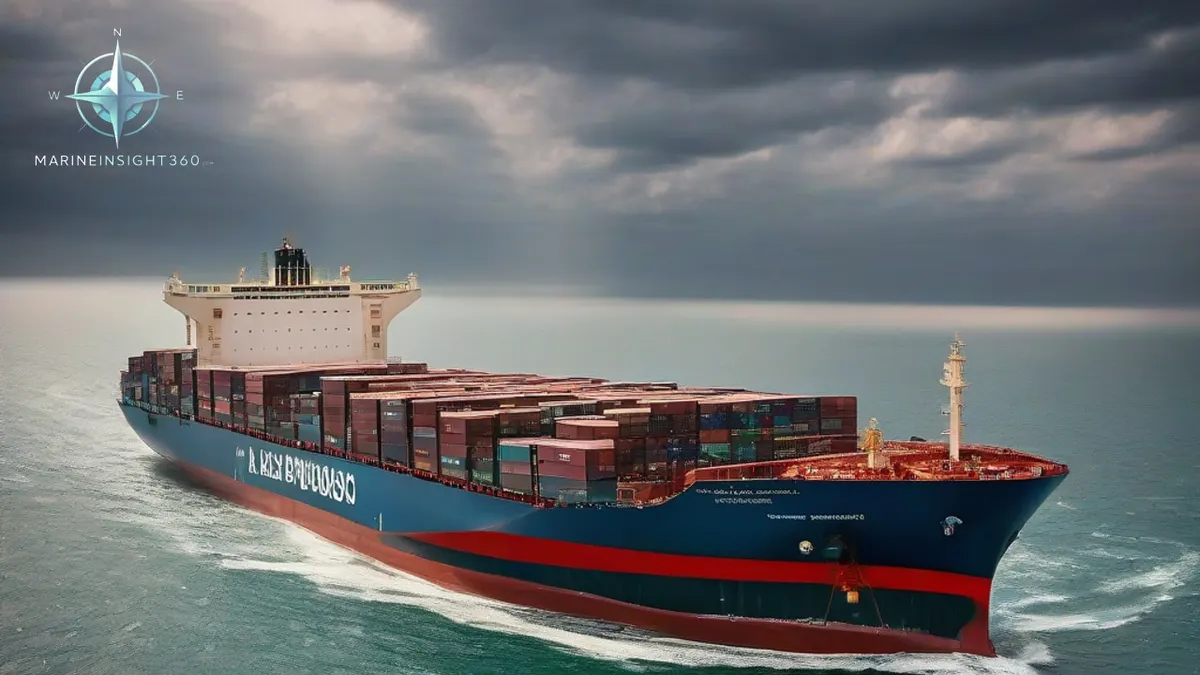
LNG carrier loads in UAE as shipping returns to Hormuz.
Key facts about LNG Carrier Loads in UAE as Limited Shipping Activity Returns to...
The recent return of limited shipping activity to the Strait of Hormuz is a significant development for the global maritime industry, particularly for the liquefied natural gas (LNG) trade. The Strait of Hormuz, a critical waterway connecting the Persian Gulf to the Arabian Sea, is a major chokepoint for international shipping, with a significant portion of the world's LNG and oil supplies passing through it. As such, any disruption to shipping activity in the region can have far-reaching consequences for the global energy market.
The loading of LNG carriers in the United Arab Emirates (UAE) is a positive indication of the gradual resumption of shipping operations in the region. The UAE is a major player in the global LNG market, with several large-scale LNG export facilities located in the country. The return of shipping activity to the region is likely to be welcomed by LNG producers and consumers alike, as it will help to alleviate concerns over supply chain disruptions and price volatility. From a regulatory perspective, the International Maritime Organization (IMO) and other industry bodies will be closely monitoring the situation to ensure that all shipping operations in the region are conducted in accordance with international safety and security standards.
The Strait of Hormuz is a busy and congested waterway, with over 20% of the world's oil supplies and a significant portion of global LNG supplies passing through it every year. As such, the security and safety of shipping operations in the region are of paramount importance. The IMO's Convention for the Safety of Life at Sea (SOLAS) and other international regulations provide a framework for ensuring the safe and secure operation of ships in the region. Shipowners and operators will need to ensure that their vessels are fully compliant with these regulations, and that their crews are properly trained and equipped to respond to any potential security threats.
The return of shipping activity to the Strait of Hormuz is also likely to have implications for the global LNG fleet, which has been impacted by the COVID-19 pandemic and other market disruptions. The LNG carrier fleet is a highly specialized and sophisticated fleet, with many vessels designed to operate in the demanding conditions of the Persian Gulf and other major LNG-producing regions. As shipping activity returns to the region, LNG carrier operators will need to be prepared to respond to changing market conditions and to ensure that their vessels are operating safely and efficiently.
In terms of trade routes, the Strait of Hormuz is a critical component of several major routes, including the Asia-Europe and Asia-North America routes. The return of shipping activity to the region will help to alleviate concerns over supply chain disruptions and will provide a boost to international trade. However, the maritime industry will need to remain vigilant and to continue to work closely with regulatory bodies and other stakeholders to ensure that shipping operations in the region are conducted safely and securely.
The return of limited shipping activity to the Strait of Hormuz is a significant development for the global maritime industry, and its impact will be closely watched by shipowners, operators, and other stakeholders in the months and years to come, underscoring the industry's ability to adapt to changing geopolitical circumstances.
The wider stakes
Why give this shipping story attention? Because in shipping a single event ripples outward, to owners, cargo interests, insurers, ports and crews, faster than the first report suggests.
What matters is separating the confirmed facts from the knock-on effects on cost, routing, compliance and hiring.