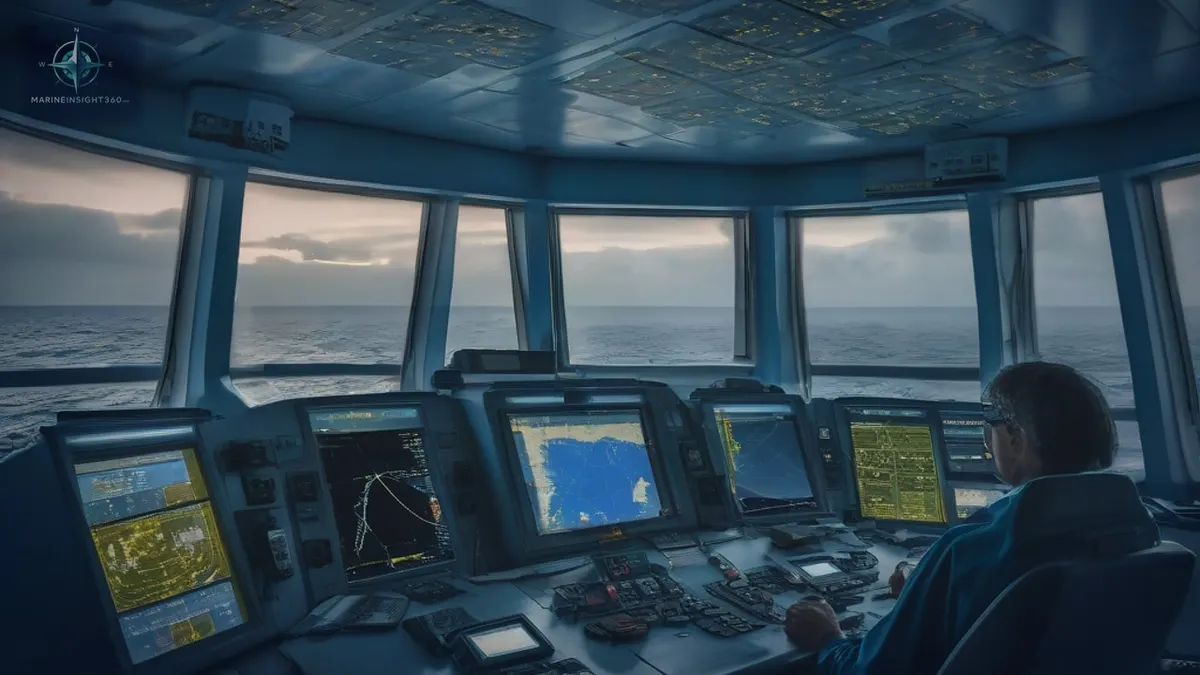
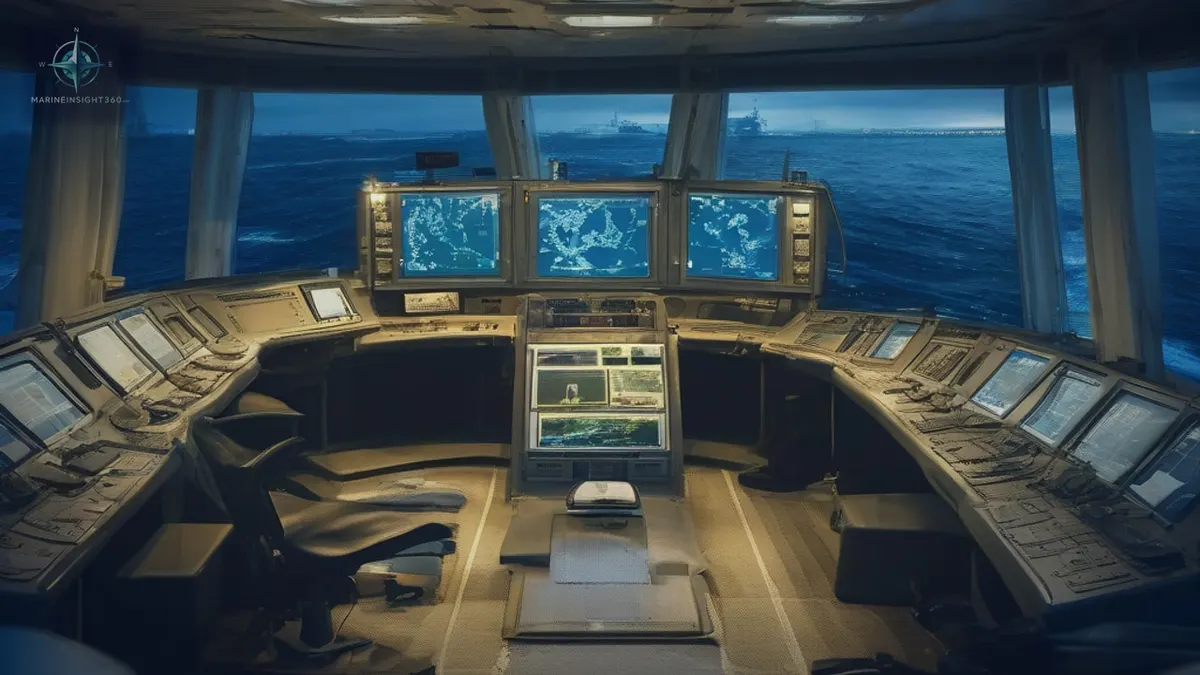
MEGURI2040 Fully Autonomous Ship Program Solving Social Issues by Developing World-leading Technologies
The MEGURI2040 program aims to develop world-leading technologies for fully autonomous ships.
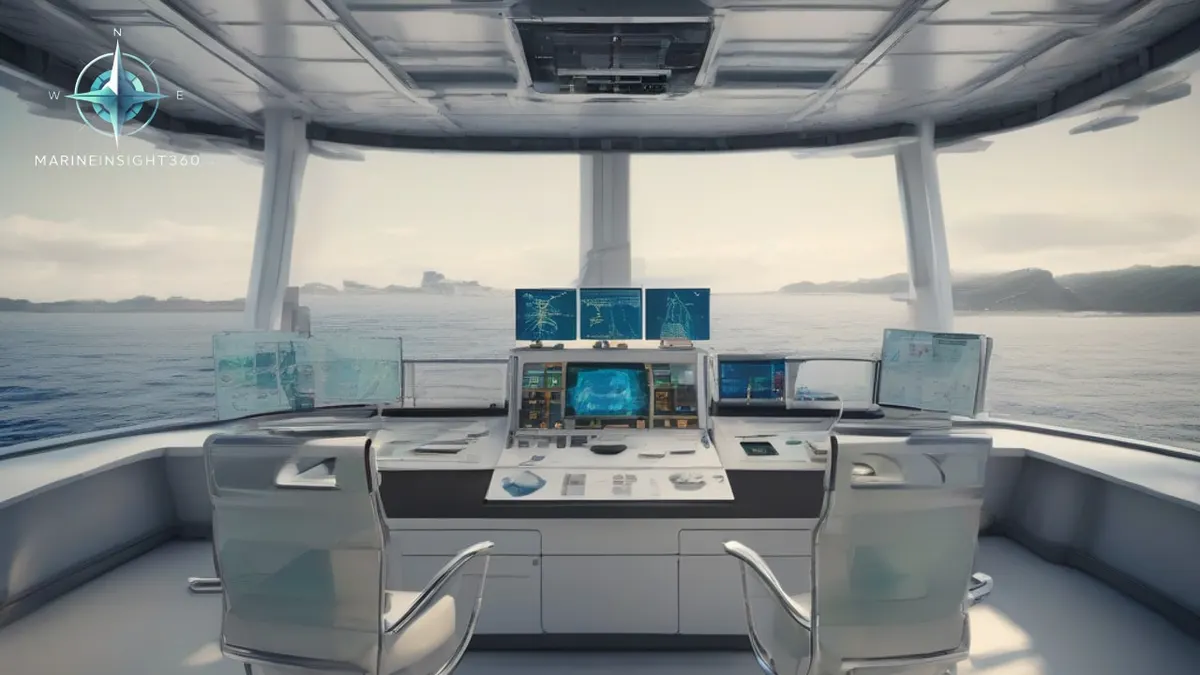
The MEGURI2040 program aims to develop world-leading technologies for fully autonomous ships. This initiative is led by Japan Post, a major player in the maritime industry. The program focuses on solving social issues through innovation.
Key facts about MEGURI2040 Fully Autonomous Ship Program Solving Social Issues...
The development of autonomous ships can help address various social issues, including labor shortages and environmental concerns. Autonomous ships can reduce the need for human crew, which can help mitigate labor shortages in the maritime industry. Additionally, autonomous ships can be designed to be more fuel-efficient, reducing greenhouse gas emissions.
The International Maritime Organization (IMO) has been working to develop regulations for autonomous ships. The IMO has established a working group to develop guidelines for the safe operation of autonomous ships. The development of autonomous ships will require significant changes to existing regulations, including the Safety of Life at Sea (SOLAS) convention.
The MEGURI2040 program is a major step forward in the development of autonomous ships. The program will help to drive innovation in the maritime industry, leading to the development of new technologies and more efficient operations. This can have a major impact on trade routes and fleet types, as autonomous ships can be designed to be more efficient and environmentally friendly.
The development of autonomous ships will require significant investment and collaboration between industry players. The MEGURI2040 program is a key example of this collaboration, bringing together experts from various fields to develop world-leading technologies. This matters to the industry because autonomous ships have the potential to transform the way goods are transported by sea.
Where to go from here
Turn a technology development into action by tracing it to the original source, flagging the teams it affects, and revisiting the plans, routing, budgets, crewing, it could disturb.
What it means for the major markets
For operators and jobseekers in the US, UK, Europe, Singapore, Canada and Australia, the relevance of this technology story is in the detail behind the headline, what it changes for the trades and rules that market runs on.
Why it's on our radar
MEGURI2040 Fully Autonomous Ship Program Solving Social Issues by Developing World-leading Technologies earns coverage because its effects seldom stop at the headline; technology news like this lands on operators, charterers, insurers and seafarers together.
For readers across the major maritime markets, the value is practical: what shifts, what to verify, and which decisions it touches.
The operational read
For operators, this technology development can touch routing, cost, charter terms and onboard routines. The useful step is to map it to the teams it affects.
Treat the first report as a starting point and verify the specifics against official and company sources.
Keep an eye on
- Whether authorities or companies publish concrete follow-up.
- Any repricing of insurance, freight or compliance cost.
- Spread from a local issue to wider trades and fleets.
- Evidence that confirms, or trims, the early reporting.
So what?
The test for this technology update is simple: does it change a decision? Strip it to the confirmed facts, weigh the impact on safety, cost, schedule or compliance, and route it to whoever needs it. If it changes nothing, it is just context, which is fine too.