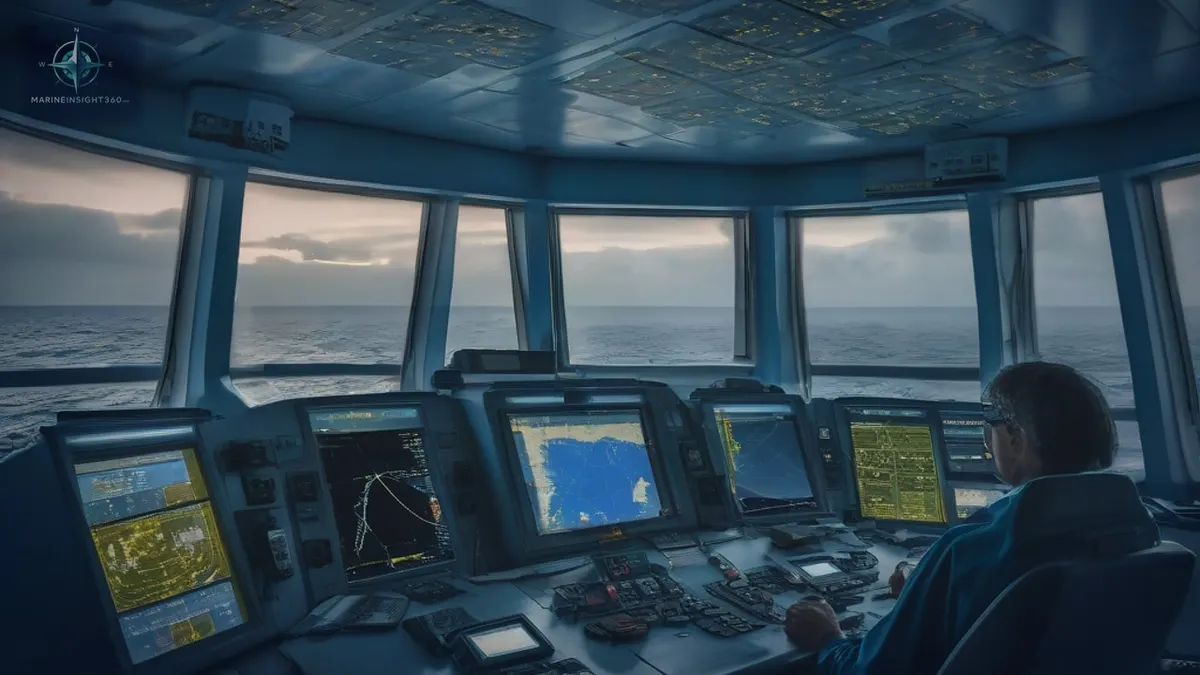
Military Sealift Command Hosts SeaFarer Day in Hampton Roads
Military Sealift Command hosted SeaFarer Day in Hampton Roads to recognise the mariners who keep military logistics moving.
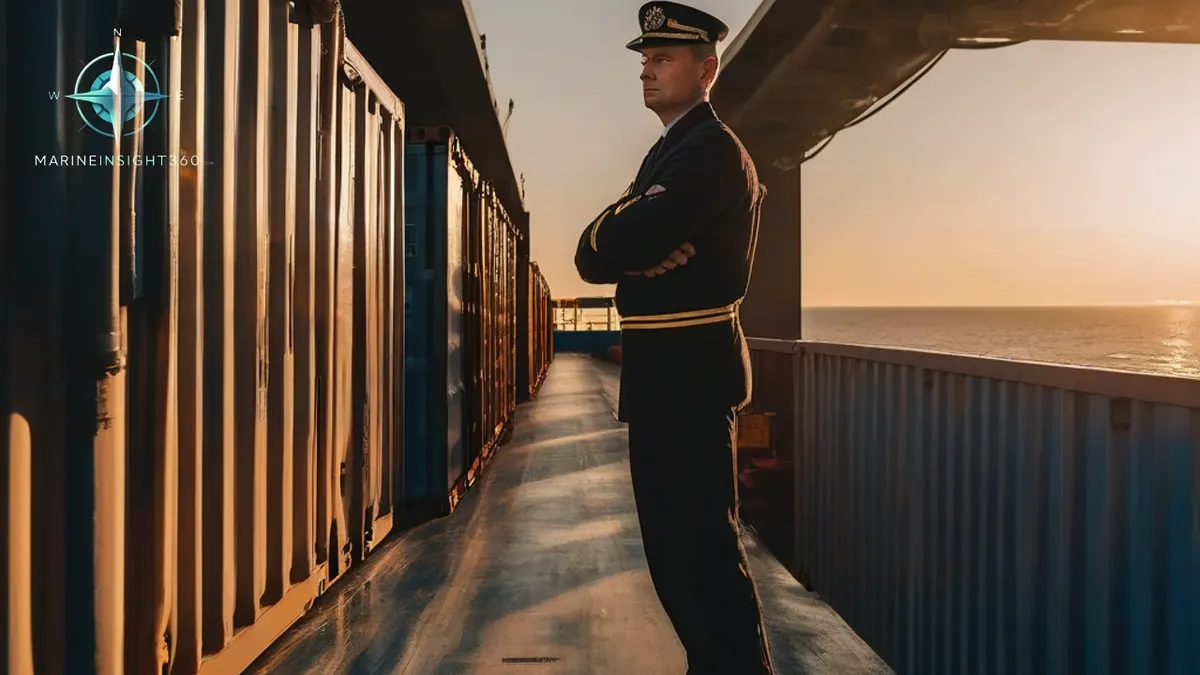
Military Sealift Command hosted SeaFarer Day in Hampton Roads to recognise the contributions of seafarers, the civilian mariners who crew its ships and whose work is what keeps US military logistics supplied.
The event
Military Sealift Command hosted SeaFarer Day in Hampton Roads to recognise the contributions of seafarers. The event acknowledged the role mariners play in global trade and maritime operations, the people who move goods and commodities across the world's oceans and, in MSC's case, keep military logistics supplied.
MSC occupies a distinctive corner of the maritime world: its ships are largely crewed by civilian mariners performing naval support missions, from replenishment at sea to prepositioning cargo. The same licences and skills that run commercial tonnage run these fleets.
Why recognition days carry weight
Seafaring is structurally invisible. Crews work beyond the horizon for months, and even port cities rarely meet the people behind the ships. International observances and events like this one push against that invisibility, and they land differently when hosted by an employer competing for mariners.
That competition is the subtext. Maritime nations, the United States included, face shortages of qualified mariners, and sealift readiness depends on a deep enough pool of licensed people willing to sail. Visible respect for the workforce is part of how any fleet recruits and retains it, alongside pay, conditions and career paths.
The wider workforce picture
Events in Hampton Roads, one of the great concentrations of American maritime activity, also speak to the next generation: cadets and students deciding whether a seagoing career is worth it. Every mariner celebrated publicly is an advertisement for the profession.
Global trade and national security both rest on people who choose this work. A day that says so plainly costs little and matters more than it looks, particularly when the industry needs thousands more to make the same choice.
The sealift dimension gives the recognition strategic weight. Government-owned reserve ships depend on civilian mariners answering activation calls, and the credibility of that surge capacity rests on a workforce large enough, current enough and willing enough to sail on short notice. Events that honour serving mariners are also, quietly, investments in the relationship that activation depends on: people answer calls from institutions that visibly value them.
For anyone weighing a seagoing career, MSC's mix is worth knowing about: civilian employment, government service conditions and mission variety that commercial fleets rarely match. Recognition days are as good an introduction to that path as any recruiting page.
Reading the significance
This maritime development matters less for the announcement than for its reach. One story can move voyage plans, insurance terms, commercial choices and crewing needs at once.
The task is to trace what changes on the ground and what is still unconfirmed.
On the operational side
A maritime story of this kind can move compliance budgets, chartering assumptions, insurer expectations and crew planning at once. The question is not just what happened, but who needs to act.
Source discipline matters here: compare the account with official guidance and company disclosures before relying on it.
What to watch next
- Whether regulators, port authorities, companies or class societies issue follow-up guidance.
- Whether it shifts schedules, insurance terms, chartering or recruitment demand.
- Whether it stays local or spreads to wider routes and fleets.
- Whether later evidence confirms or narrows the early reporting.
Why it matters
The value in this maritime development is rarely the headline — it is the second question. Does it change a decision you were about to make about safety, budget, routing or hiring? If not, note it and move on; if so, trace it back to the source before you act.