Europe Considers Strait of Hormuz Navigation Service Fees
European proposals may charge for optional pilotage, safety and environmental services in the Strait of Hormuz, not for passage itself.
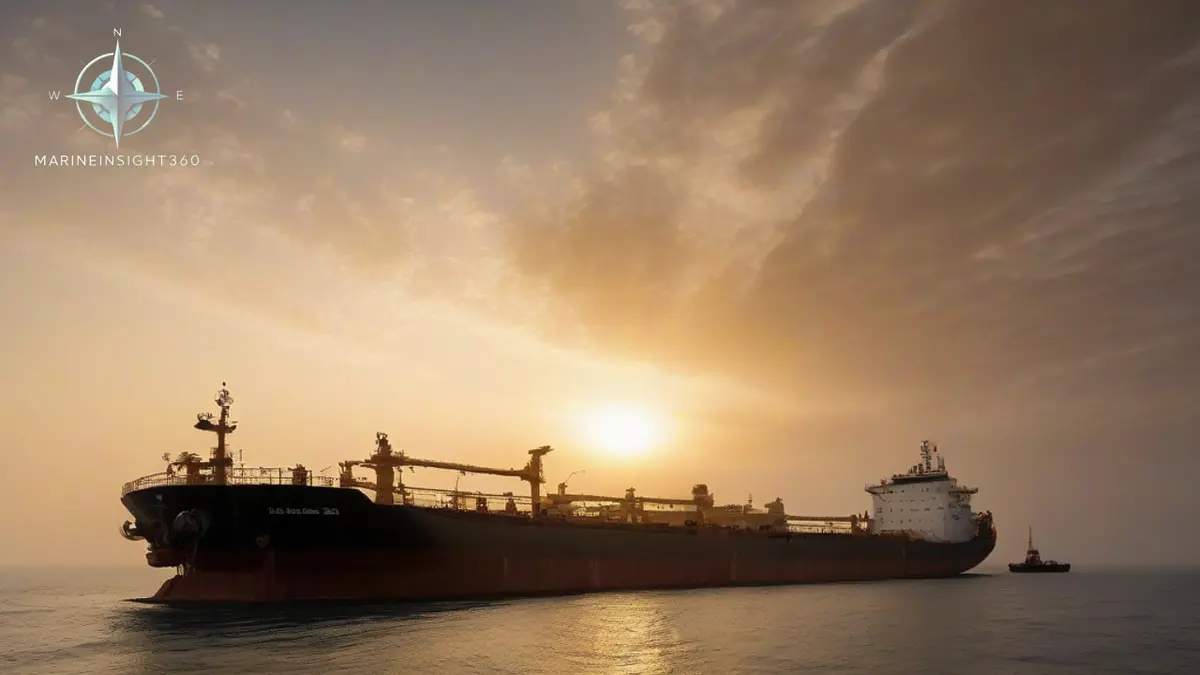
European governments are studying Strait of Hormuz navigation service fees, charges tied to defined services such as pilotage, enhanced safety procedures and marine environmental protection rather than a toll on ships merely passing through. The proposal was described by Voice of Emirates, which does not report it as a mandatory transit charge.
What has been proposed
The report says European countries are studying service-based fees as a possible source of long-term funding for maritime security. The distinction matters: a vessel could be charged for a defined service it receives, while freedom of navigation through an international waterway would remain a separate legal question.
No final tariff, participating states, implementation date or collection authority was identified in the cited report. The proposal should therefore be treated as an early policy discussion, not an established cost for shipowners or charterers.
Why mandatory transit fees would be contentious
The Strait of Hormuz connects the Persian Gulf with the Gulf of Oman and carries substantial oil, gas and commercial shipping traffic. The source notes that a compulsory crossing fee could trigger legal objections because of the strait's status as an international navigation corridor. The reported discussions are instead looking for mechanisms intended to remain consistent with international navigation agreements.
That legal distinction also affects commercial planning. Owners, operators and chartering teams should not add a new Hormuz transit charge to voyage estimates on the strength of a proposal alone. Any eventual cost would need a published legal basis, a defined service, an effective date and clear instructions identifying which vessels are covered.
What shipping companies should watch
The practical questions remain unanswered. Industry participants will need to know whether any service is voluntary, which authority provides it, how charges are calculated and whether flag, vessel type, cargo or transit conditions affect eligibility. Insurers and compliance teams would also need official documentation before changing procedures.
Regional security concerns are the stated background to the discussion. However, the source does not announce an agreement or confirm that a fee will be introduced. Until governments or a competent maritime authority publish formal terms, the proposal remains under consideration.
What is confirmed and what is not
- Reported: European countries are considering charges linked to navigation and safety services.
- Not reported: a mandatory fee for every vessel crossing the Strait of Hormuz.
- Not yet available: a rate, start date, governing authority or final legal text.
Readers following route security and trade exposure can also review our Strait of Hormuz guide and the latest maritime news updates.
The rule that decides whether a charge is lawful
The distinction the report turns on is written into the UN Convention on the Law of the Sea. UNCLOS Article 26 says no charge may be levied on a foreign ship by reason only of its passage, and that charges may be levied only as payment for specific services rendered to the ship, without discrimination. A pilotage or pollution-response fee can be defended on that basis; a toll on passage itself cannot.
That is why the wording of any eventual instrument will matter more than the rate. Operators should look for the service each charge names, the authority providing it, whether a ship that declines the service still pays, and whether the same charge falls on every flag. A charge that applies whether or not the service is used is a transit fee under another name.
Nothing in the reported discussion has reached that stage. Until a legal text, a tariff and a collecting authority are published there is no line item to add to a voyage estimate and no notice for a master to act on.
Where straits already charge, and for what
The distinction is not new. In the Turkish Straits, Turkey levies charges under the Montreux Convention framework for defined services such as lighthouses and light buoys, salvage and rescue, and sanitary control, rather than a fee for the passage itself. The legal form follows the same logic the reported European proposal is reaching for.
The other precedent runs the opposite way. The Sound Dues levied on ships entering the Baltic through the Danish straits were abolished by treaty in 1857, with the maritime states paying Denmark a one-off sum to end them. A charge on passage was treated as something to be bought out rather than defended.
Source and verification
This report summarizes information published by Voice of Emirates. The proposal has not been presented as an adopted regulation; readers should rely on official notices for any future operational requirement.