Offshore Rocket Recovery Vessel Studied
A new study has been conducted on the feasibility of an offshore rocket recovery vessel.
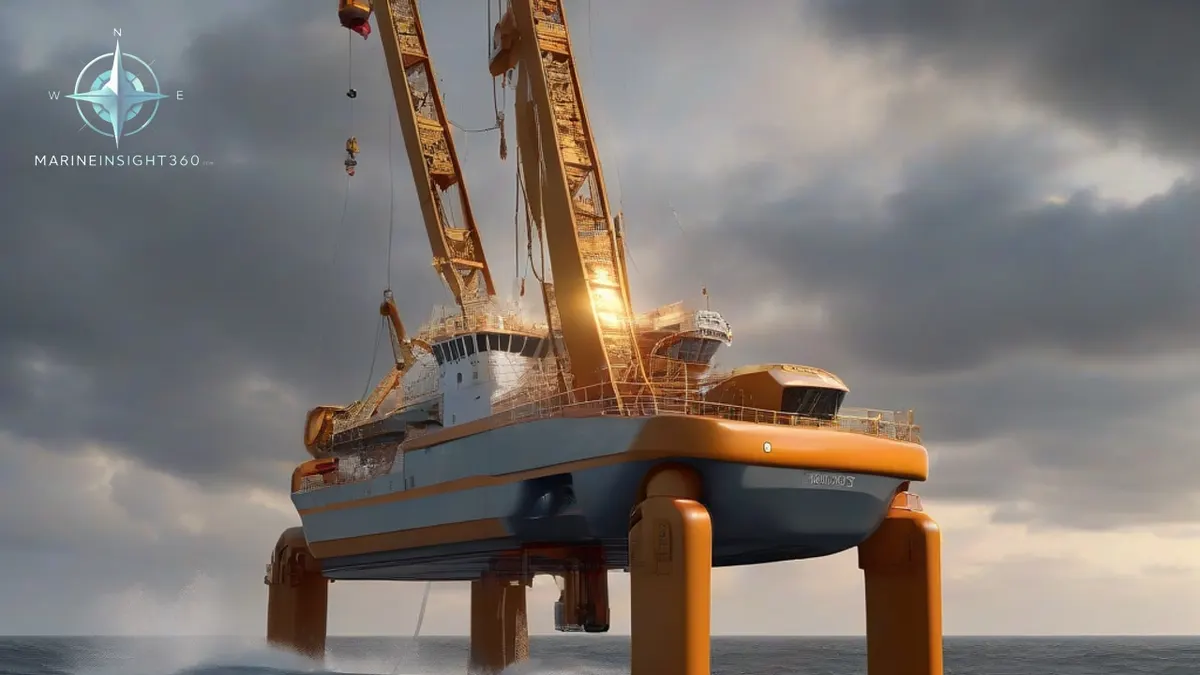
An offshore rocket recovery vessel is the subject of a new feasibility study into a ship that would recover rockets at sea after launch so companies can refurbish and reuse them. Offshore rocket recovery vessel studied.
A new study has been conducted on the feasibility of an offshore rocket recovery vessel. This type of vessel would be used to recover rockets after they have been launched into space. The study likely considered the technical and operational requirements for such a vessel, including its size, speed, and maneuverability.
The use of offshore rocket recovery vessels could become more common as the space industry continues to grow. Many space companies are now launching rockets into space on a regular basis, and recovering these rockets can be an important part of the process. By recovering rockets, companies can refurbish and reuse them, which can help to reduce the cost of access to space.
The design of an offshore rocket recovery vessel would need to take into account a number of factors, including the type of rocket being recovered and the conditions of the ocean where the recovery will take place. The vessel would need to be able to withstand rough seas and have the necessary equipment to safely recover and transport the rocket. The International Maritime Organization and other regulatory bodies may also have requirements that would need to be met.
As the space industry continues to expand, the demand for offshore rocket recovery vessels is likely to increase. This could create new opportunities for shipbuilders and operators who are able to design and build vessels that meet the needs of space companies. The development of offshore rocket recovery vessels could also have implications for the maritime industry as a whole, as it would require the integration of new technologies and operating procedures.
This development matters to the industry because it has the potential to create new opportunities and challenges for shipbuilders and operators in the maritime sector.
Why the big markets care
In the high-volume markets, the US, UK, Europe, Singapore, Canada and Australia, this shipping story matters to the extent it moves freight, regulation, hiring or investment in those trades.
What readers should watch
Maritime updates can affect more than the company or vessel named in the first report. Readers should watch for official follow-up, company confirmation and any change in operational guidance before treating early details as final.
Why this counts
Offshore Rocket Recovery Vessel Studied is worth a pause because maritime stories compound: a single change touches owners, charterers, insurers, ports and crews, and the consequences outlast the news cycle.
Read it for the operational meaning, the decisions it affects and the facts still to be pinned down.
Operational context
On the ground, a shipping story like this can shape voyage planning, budgets, charterer expectations and insurer terms. The real question is which teams have to respond.
It is also why sourcing matters: check the report against official notices, company statements and port or flag-state guidance before acting on it.
Points to track
- Official follow-up from agencies, flag states or classification societies.
- Any change to voyage planning or cost.
- Knock-on effects for charter rates, hiring or compliance checks.
- Whether the practical impact widens or turns out smaller than first reported.