One Indian missing, 10 rescued after attack on commercial vessel off Oman; MEA calls for de-escalation
Eleven Indian crew members were impacted by an attack off Oman. Ten rescued, one missing. MEA calls for de-escalation. Learn how this affects maritime security.
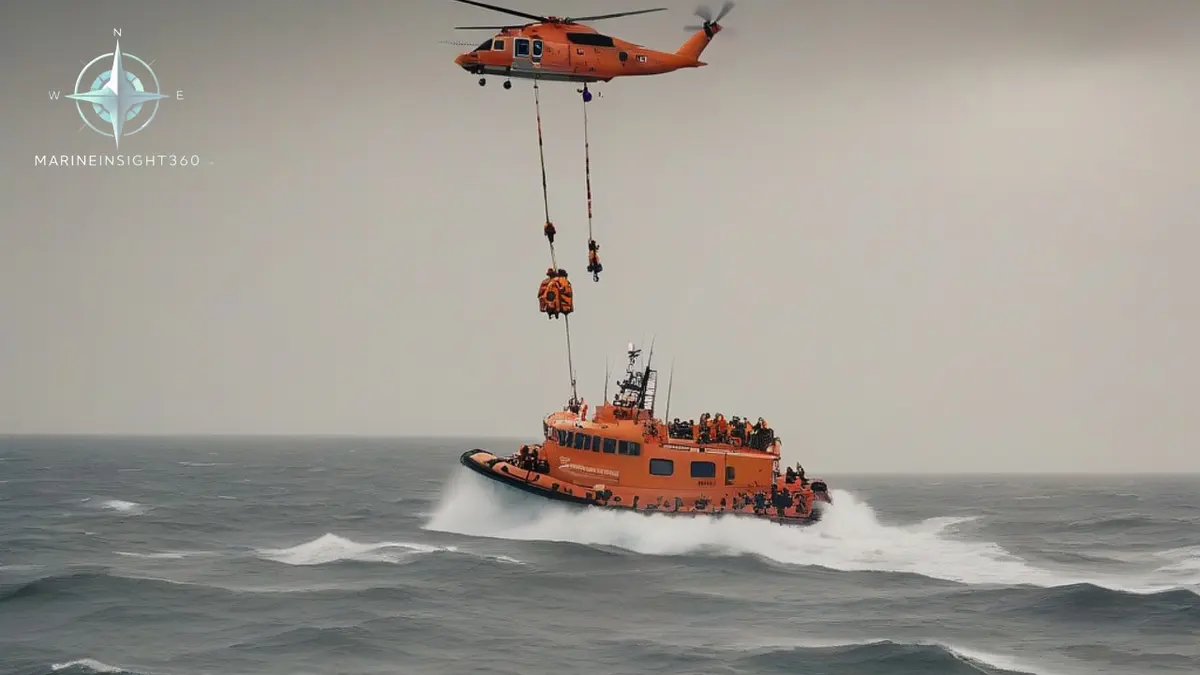
Eleven Indian nationals were aboard a commercial vessel attacked off Oman, and India's Ministry of External Affairs confirmed ten were rescued while one crew member is still missing.
Attack on Commercial Vessel Off Oman: 10 Rescued, 1 Missing
The Indian Ministry of External Affairs (MEA) confirmed the incident and said Omani authorities coordinated the rescue operation. The attack adds to growing concern over maritime security in the region, particularly amid heightened tensions between the U.S. and Iran.
Regional Tensions and Maritime Security Concerns
The attack occurred in a strategically critical area of the Arabian Sea, frequently used by commercial vessels transiting the Strait of Hormuz. The MEA emphasized the need for de-escalation, noting that such incidents threaten global trade and crew safety. Operators in the region report increased vigilance, with some ships rerouting to avoid high-risk zones, though this can delay deliveries and raise fuel costs.
For seafarers, the incident underscores the importance of emergency protocols. Crews are advised to maintain constant communication with flag state authorities and ensure distress beacons are operational. A common mistake is delaying distress calls due to uncertainty about the threat’s severity—prompt action improves survival odds.
MEA’s Response and Coordination Efforts
India’s MEA has activated its consular emergency response, working closely with Omani officials to locate the missing crew member. A statement from the ministry said, “We reiterate our call for immediate de-escalation of tensions and a diplomatic resolution.” This aligns with broader efforts to protect Indian seafarers, who constitute a significant portion of global maritime labor.
- Search Operations: Omani coast guard and naval assets are conducting an expanded search in the Gulf of Oman. The missing crew member is presumed to have fallen overboard during the attack.
- Diplomatic Pressure: The MEA has urged regional powers to resolve disputes through dialogue, citing the human and economic costs of instability.
Broader Implications for Shipping Industry
This incident is part of a troubling trend. In the past year, multiple attacks on commercial vessels in the Arabian Sea and Gulf have resulted in casualties and cargo losses. Shipowners in the U.S., U.K., and Singapore report heightened insurance premiums and requests for armed guards, though these measures remain controversial due to risks of escalation.
For cadets and junior officers, this highlights the need to understand geopolitical risks in voyage planning. Training programs should include scenarios on responding to unexplained attacks, such as securing the bridge, using EPIRBs, and relaying precise location data to rescuers.
How an attack in the Gulf of Oman gets reported
Merchant ships in this area work inside a voluntary reporting area run by UKMTO, the United Kingdom Maritime Trade Operations desk. Ships register on entry, send a daily position, and call UKMTO first when something happens. UKMTO passes the report to warships in the area and to nearby merchant traffic, which is why one call reaches the assets that can respond faster than a company phone tree does.
The duty to help is not discretionary. SOLAS Chapter V Regulation 33 obliges the master of a ship that receives a distress signal to proceed with all speed to assist, unless released or unable. Coordination itself sits with a rescue coordination centre, because the 1979 search and rescue convention divides the sea into regions and gives each one a named centre. The waters off Oman fall inside Oman's.
For a crew member reported missing overboard, that framework settles the practical questions. It decides who runs the search pattern, how long the search continues, and which state's report the family and the flag administration eventually receive.
Next Steps for Crews and Operators
Marine Insight 360 recommends reviewing the Arabian Sea Security section for real-time updates on safe transit routes and MEA advisories. Operators should also audit their vessel’s emergency response plans, ensuring compliance with SOLAS regulations for distress communication.