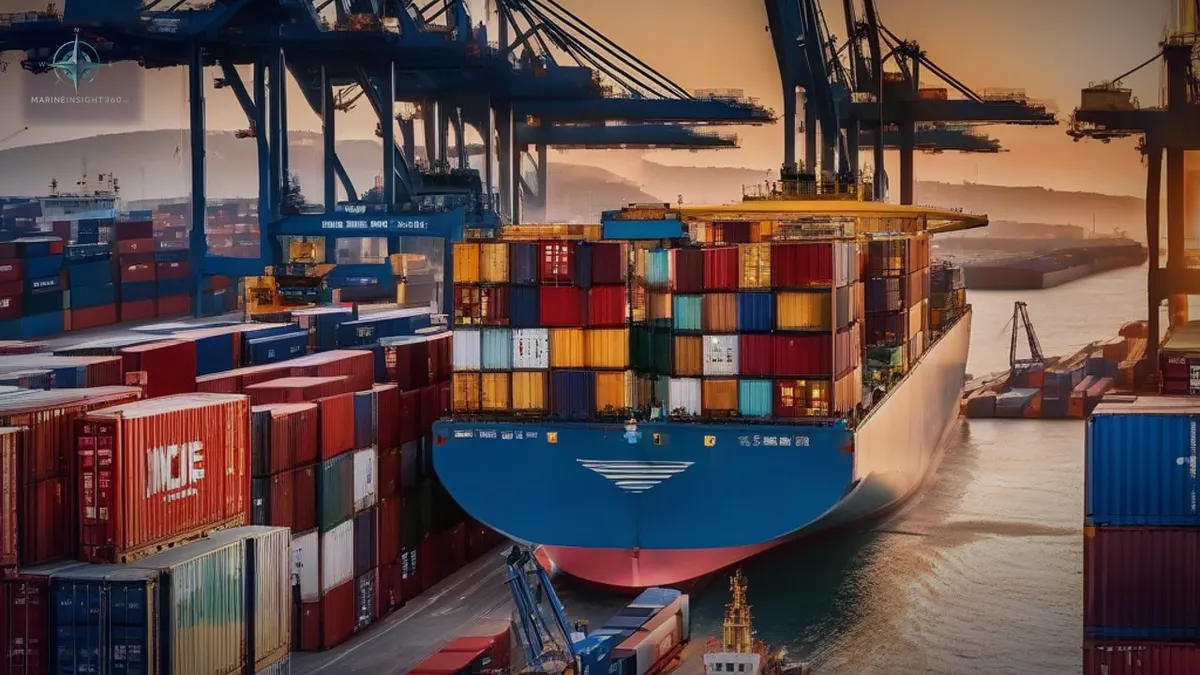
Peak Season and Hormuz Crisis Fuel New Surge in Container Shipping Rates
Container shipping rates are on the rise again, driven by the peak shipping season and the ongoing crisis in the Strait of Hormuz .
Container shipping rates are on the rise again, driven by the peak shipping season and the ongoing crisis in the Strait of Hormuz. This key waterway is a major chokepoint for international trade, with a substantial portion of the world's oil and containerized cargo passing through it. The current tensions in the region have led to increased costs for shipowners and operators, who must now factor in higher insurance premiums and additional security measures.
Key facts about Peak Season and Hormuz Crisis Fuel New Surge in Container...
The peak shipping season, which typically runs from August to October, has also contributed to the surge in container shipping rates. During this period, demand for container shipping services is at its highest, as retailers and manufacturers stock up for the holiday season. This increased demand, combined with the reduced capacity due to the Hormuz crisis, has led to a sharp rise in shipping rates. Carriers are taking advantage of the strong demand to implement rate hikes, which will likely be felt across the entire supply chain.
The impact of the Hormuz crisis on container shipping rates is not limited to the region. The increased costs and risks associated with transiting the Strait are being passed on to shippers and consumers worldwide. This is particularly concerning for the global economy, as container shipping is a critical component of international trade. The International Maritime Organization and other regulatory bodies are closely monitoring the situation, as it has the potential to disrupt global supply chains and impact the stability of the maritime industry.
This surge in container shipping rates will have a lasting impact on the industry, as higher costs and increased uncertainty will likely lead to changes in the way goods are transported and traded around the world. This matters to the industry because higher shipping rates will affect the profitability of shipping lines and the competitiveness of international trade.
From here
Where this shipping story matters to you, the next step is to check it against official sources, pass it to whoever owns the decision, and adjust plans only where it genuinely applies.
Reading it by market
Each major maritime market weighs a shipping story differently, but the question is the same in Singapore, London, Houston or Sydney: does it change the cost, the rules or the demand we operate under?
Why this matters
Peak Season and Hormuz Crisis Fuel New Surge in Container Shipping Rates rarely stays in one lane. A shipping development like this can reach vessel operators, charterers, insurers, port teams, seafarers and regulators at the same time.
The useful read is the signal under the headline: what actually changes, what still needs confirming, and where it touches safety, compliance, trade or fleet planning.
What it changes day to day
Shipping developments feed straight into voyage planning, compliance costs and commercial decisions. Ship managers may revisit risk assessments, commercial teams may reprice, and crews may need fresh instructions before the next call.
Confirm the detail against primary sources first, official notices, company updates, port and flag guidance, rather than acting on the headline.
Signals to follow
- Confirmation, or correction, from primary sources in the coming days.
- Movement in insurance clauses, schedules or commercial terms.
- Whether other routes, ports or fleets become exposed.
- Guidance from owners, managers or authorities that turns news into action.