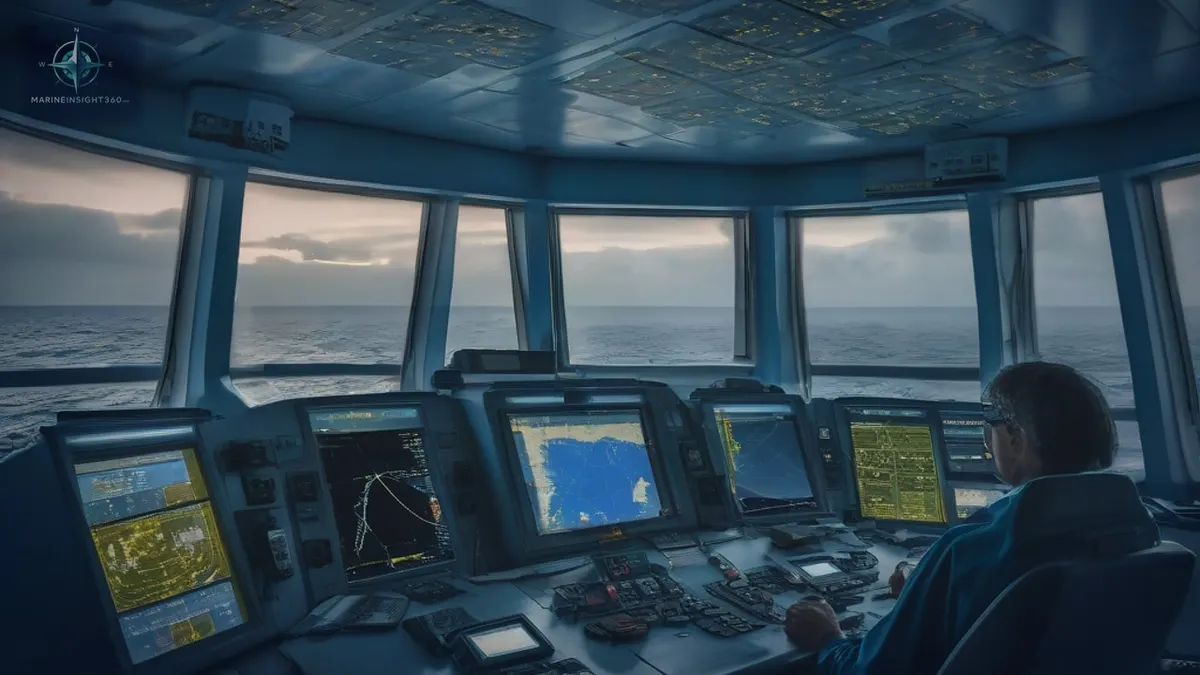
Piracy, conflict zones, seafarer welfare: the remarkable journey of Captain James Hofton
Captain James Hofton has had a remarkable career, marked by experiences in piracy, conflict zones, and seafarer welfare .
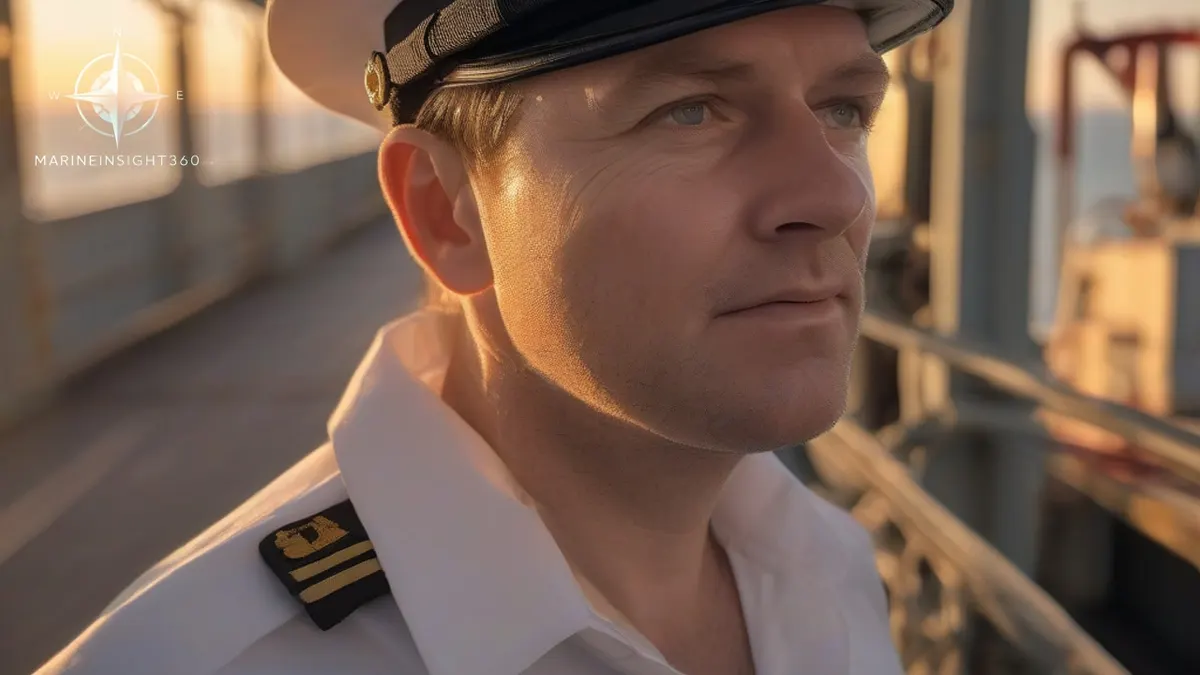
Captain James Hofton has had a remarkable career, marked by experiences in piracy, conflict zones, and seafarer welfare. He has sailed through some of the most challenging regions, including areas known for piracy and conflict. His journey is a testament to the risks and challenges that seafarers face on a daily basis.
He has likely sailed on various trade routes, including those regulated by the International Maritime Organization (IMO) and adhering to the Safety of Life at Sea (SOLAS) convention. These regulations are in place to ensure the safety of seafarers and the security of ships, but they can be put to the test in high-risk areas.
Captain Hofton's experiences have likely involved a range of fleet types, from cargo ships to tankers, each with their own unique challenges and risks. His journey highlights the need for continued support and protection for seafarers, particularly in areas where they are most vulnerable.
The maritime industry relies on seafarers like Captain Hofton to keep global trade moving, and his story serves as a reminder of the importance of prioritizing their welfare and safety. This matters to the industry because the well-being of seafarers is essential to the smooth operation of global trade.
Why the big markets care
In the high-volume markets, the US, UK, Europe, Singapore, Canada and Australia, this safety story matters to the extent it moves freight, regulation, hiring or investment in those trades.
What readers should watch
Security and route-risk stories can influence voyage planning, war-risk clauses, crew briefings and insurer expectations. Readers should watch for official follow-up, company confirmation and any change in operational guidance before treating early details as final.
Why this counts
Piracy, conflict zones, seafarer welfare: the remarkable journey of Captain James Hofton is worth a pause because maritime stories compound: a single change touches owners, charterers, insurers, ports and crews, and the consequences outlast the news cycle.
Read it for the operational meaning, the decisions it affects and the facts still to be pinned down.
Operational context
On the ground, a safety story like this can shape voyage planning, budgets, charterer expectations and insurer terms. The real question is which teams have to respond.
It is also why sourcing matters: check the report against official notices, company statements and port or flag-state guidance before acting on it.
Points to track
- Official follow-up from agencies, flag states or classification societies.
- Any change to voyage planning or cost.
- Knock-on effects for charter rates, hiring or compliance checks.
- Whether the practical impact widens or turns out smaller than first reported.
So what?
The test for this safety story is simple: does it change a decision? Strip it to the confirmed facts, weigh the impact on safety, cost, schedule or compliance, and route it to whoever needs it. If it changes nothing, it is just context, which is fine too.