Protecting maritime jobs and boosting national security
Nautilus International argues that protecting maritime jobs strengthens national security through ships and skilled seafarers.
The union's case
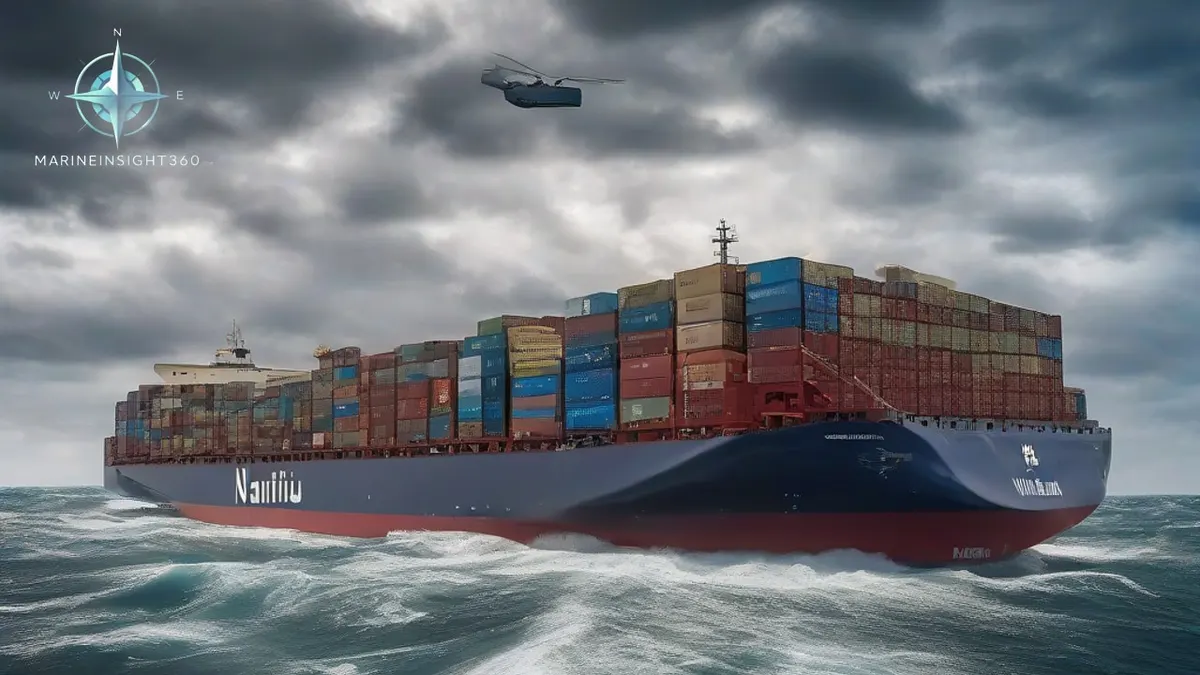
Nautilus International is pressing the case that protecting maritime jobs and boosting national security are the same project. The union argues a strong maritime sector is essential to a country's economic and military resilience: a robust fleet and skilled seafarers can move goods and personnel quickly when conflict or disaster demands it.
The logic rests on what emergencies actually require. Sealift in a crisis cannot be conjured from nothing; it depends on ships under national control or charter and, above all, on qualified mariners available to crew them. Those mariners exist only if peacetime employment sustains their careers.
The erosion the argument targets
Maritime nations have watched national fleets and seafarer numbers decline for decades as tonnage moved to open registries and lower-cost crews. Each step made commercial sense to someone; the cumulative effect is strategic exposure that only becomes visible when capacity is suddenly needed.
Unions occupy a particular position in this debate: their members' livelihoods align with the state's interest in maintaining skills. That alignment is why maritime labour has historically been among the loudest voices for tonnage taxes, cadet berth requirements and flag support measures that keep training pipelines alive.
What policy can actually do
The toolkit is known: support national-flag operation, require training berths, protect coastal trades where appropriate, and treat mariners' terms and conditions as part of retention rather than pure cost. Countries that let the skills base fall below critical mass discover that rebuilding it takes a generation.
Whatever weight governments give the security framing, the underlying fact is hard to argue: an island of any size that cannot crew ships has outsourced part of its resilience, and outsourced resilience is exactly what crises test.
Recent history supplied the demonstration. The pandemic's crew-change crisis showed governments how completely supply chains rest on seafarers, and how little leverage a state has over a workforce it neither trains nor employs. Unions pressing the jobs-and-security argument now are essentially asking policymakers to remember that lesson while it is still cheap to act on, because rebuilding a national maritime skills base after it collapses costs a generation, not a budget cycle.
Why it's on our radar
Protecting maritime jobs and boosting national security earns coverage because its effects seldom stop at the headline; safety news like this lands on operators, charterers, insurers and seafarers together.
For readers across the major maritime markets, the value is practical: what shifts, what to verify, and which decisions it touches.
The operational read
For operators, this safety development can touch routing, cost, charter terms and onboard routines. The useful step is to map it to the teams it affects.
Treat the first report as a starting point and verify the specifics against official and company sources.
Keep an eye on
- Whether authorities or companies publish concrete follow-up.
- Any repricing of insurance, freight or compliance cost.
- Spread from a local issue to wider trades and fleets.
- Evidence that confirms, or trims, the early reporting.
The bottom line
For this safety story, the useful skill is filtering. Most items like this are context; a few change how you plan or comply. The work is telling those two apart and passing the second kind to the right people.