Saronic raises $1.75B at $9.25B valuation to gear up autonomous ship production
Saronic has raised $1.75 billion at a valuation of $9.25 billion to boost production of autonomous ships.
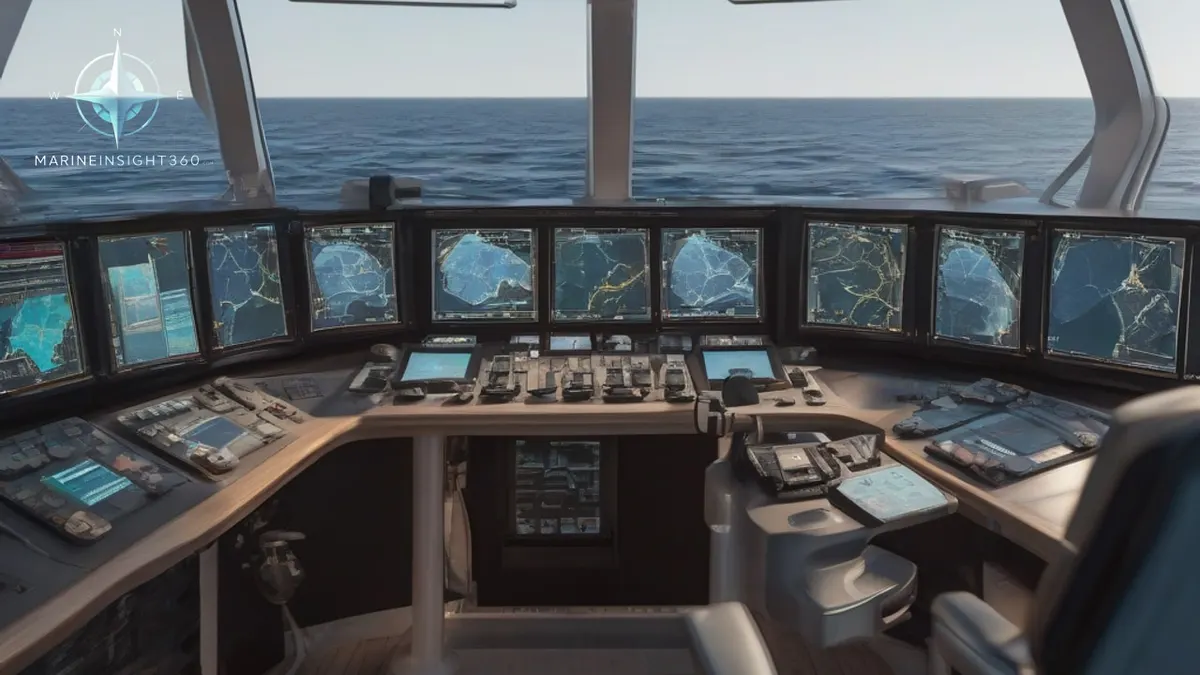
Saronic raises $1.75B for autonomous ships.
Saronic has raised $1.75 billion at a valuation of $9.25 billion to boost production of autonomous ships. This investment will likely be used to develop and deploy more autonomous vessels, which could transform the maritime industry. Autonomous ships can improve safety and reduce costs by minimizing human error and increasing efficiency.
The International Maritime Organization has been working to establish regulations for autonomous ships, which will be essential for their widespread adoption. The Safety of Life at Sea convention, known as SOLAS, will likely play a key role in shaping these regulations. As the industry moves towards autonomous shipping, companies like Saronic will need to comply with these regulations to ensure safe and successful operations.
Autonomous ships could have a major impact on global trade routes, particularly for bulk cargo and container ships. These vessels could reduce transit times and lower fuel costs, making them more competitive in the global market. The use of autonomous ships could also change the way fleets are managed and maintained, with a greater emphasis on remote monitoring and repair.
The investment in Saronic is a sign that the maritime industry is moving towards greater adoption of autonomous technology. This shift could have major implications for shipowners, port operators, and other industry stakeholders. This matters to the industry because autonomous ships have the potential to revolutionize the way goods are transported by sea.
What it means for the major markets
For operators and jobseekers in the US, UK, Europe, Singapore, Canada and Australia, the relevance of this technology story is in the detail behind the headline, what it changes for the trades and rules that market runs on.
What readers should watch
Safety stories need careful reading because early reports can change as investigations, inspections or company reviews progress. Readers should watch for official follow-up, company confirmation and any change in operational guidance before treating early details as final.
Why it's on our radar
Saronic raises $1.75B at $9.25B valuation to gear up autonomous ship production earns coverage because its effects seldom stop at the headline; technology news like this lands on operators, charterers, insurers and seafarers together.
For readers across the major maritime markets, the value is practical: what shifts, what to verify, and which decisions it touches.
The operational read
For operators, this technology development can touch routing, cost, charter terms and onboard routines. The useful step is to map it to the teams it affects.
Treat the first report as a starting point and verify the specifics against official and company sources.
Keep an eye on
- Whether authorities or companies publish concrete follow-up.
- Any repricing of insurance, freight or compliance cost.
- Spread from a local issue to wider trades and fleets.
- Evidence that confirms, or trims, the early reporting.