Shipowners Offer Huge Bonuses to Get Crews to Sail Hormuz
One shipowner is attempting to coax crews to sail through the Strait of Hormuz by offering them an extra six months pay if they're willing to cross the...
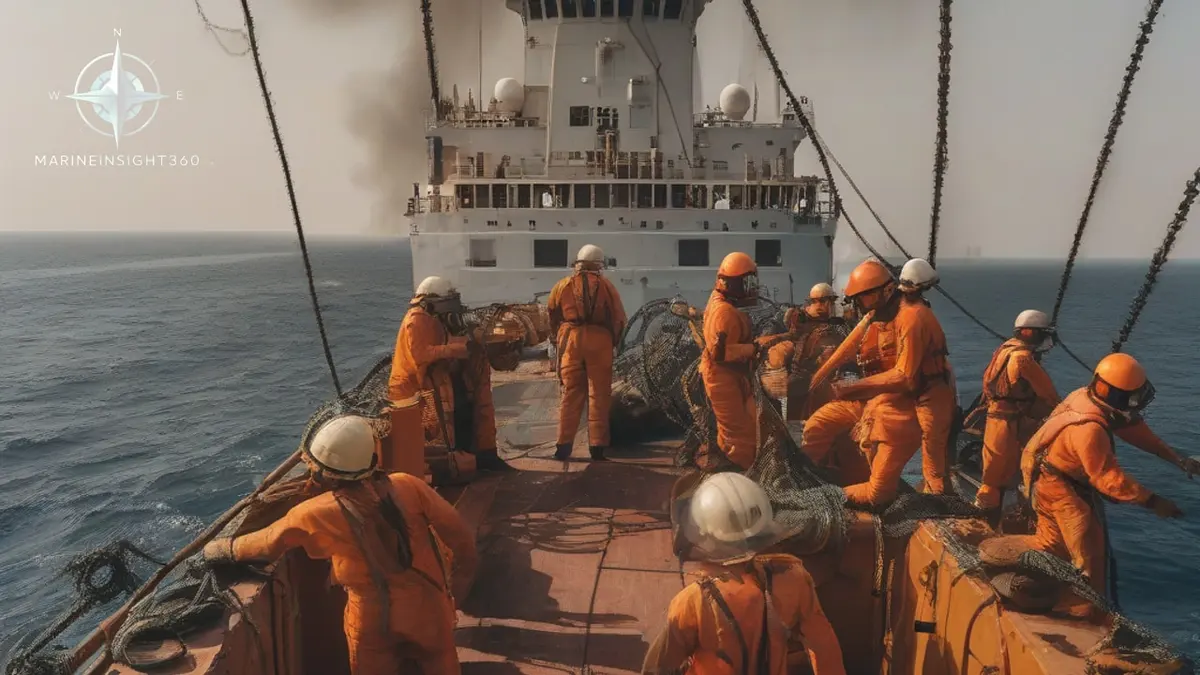
What Bonuses Are Shipowners Offering to Get Crews Through the Strait of Hormuz?
Shipowners offer huge bonuses, up to double the basic daily wage, to crews willing to transit the Strait of Hormuz. Minimum payouts range from five days of double pay to flat rates of £100 per day, and some companies add a one million dollar life insurance policy. The incentives come as a US and Iran deal to reopen the strait gains traction, but operators remain cautious.
Why is the Strait of Hormuz a hot topic for shipping?
The Strait of Hormuz is a narrow waterway that connects the Persian Gulf to the Arabian Sea. It is a critical chokepoint for global oil transport, carrying a significant share of the world’s petroleum. Any disruption—whether political, military, or operational—can ripple through freight rates and supply chains. In light of the recent U.S.–Iran negotiations, shipowners are weighing the risks of a potential reopening against the commercial benefits of a shorter route.
Incentive Packages: What the Numbers Say
- Double Pay – Some operators offer a 100 % bonus, effectively doubling the basic daily wage for crews that agree to sail through Hormuz.
- Minimum Days of Double Pay – A common structure is a minimum of five days of double pay, ensuring crews receive a tangible reward even if the voyage is brief.
- Flat‑Rate Bonuses – One company announced a flat rate of £100 per day, with a minimum of three days’ payout.
- Daily Cash Bonus – A basic bonus of $15 per day has also been cited in several offers.
- Life‑Insurance Add‑On – A one‑million‑dollar life‑insurance policy is being added to the package for all crew members.
- Cadet Experience – A former cadet noted earning over a year’s worth of extra pay under a similar scheme.
Decision Criteria for Shipowners
When deciding whether to deploy a vessel through Hormuz, shipowners must balance commercial upside against operational risk. Key criteria include:
- Cost of Incentives vs. Savings – Calculate the total bonus payout against the time and fuel savings of the shorter route. If the bonus exceeds the cost of a detour, the decision may lean toward transit.
- Insurance and Liability – Adding a one‑million‑dollar life‑insurance policy can mitigate potential claims but increases upfront cost.
- Regulatory Compliance – The PGSA’s new requirements may impose additional documentation or safety checks that affect the decision.
- Market Conditions – Recent reports show tanker owners earning up to $500,000 a day for a charter, the highest in six years. This commercial backdrop can justify higher incentive budgets.
- Crew Availability – Availability of willing crew is a limiting factor; high bonuses can attract experienced personnel but may strain the crew pool.
What Crews Should Consider
For seafarers, the incentive packages offer immediate financial benefits, but crews must also weigh other factors:
- Safety and Security – The Strait of Hormuz has a history of geopolitical tension. Crew members should assess the likelihood of incidents and the adequacy of onboard security measures.
- Contractual Rights – Under IBF collective bargaining agreements, crews are entitled to a bonus. Verify that the bonus aligns with the contract’s terms.
- Insurance Coverage – The one‑million‑dollar life‑insurance policy is a significant benefit, but crew should confirm the policy’s scope and claim procedures.
- Long‑Term Earnings – While a single voyage may yield high pay, consider how repeated Hormuz transits could affect career progression and workload.
Operational Trade‑Offs and Common Mistakes
Shipowners and crews often fall into two pitfalls when negotiating Hormuz incentives:
- Underestimating the Cost of Compliance – Ignoring PGSA’s new requirements can lead to delays and fines. A thorough compliance audit should precede any transit.
- Overlooking Crew Fatigue – High bonuses may attract crews who are already overworked. Fatigue can compromise safety, especially in a high‑risk corridor.
- Misjudging Market Volatility – The $500,000 daily charter rate is a snapshot; market rates can swing quickly. Shipowners should lock in rates or use hedging where possible.
- Neglecting Insurance Details – A one‑million‑dollar policy is valuable, but only if the terms cover the specific risks of Hormuz transit.
What the IBF agreements promise, and what they do not
The bonus figures in these offers are not invented ship by ship. Where a vessel is covered by an IBF agreement, the terms for a designated warlike operations area are collectively set: a bonus equal to 100 per cent of basic wage for each day in the area, doubled compensation for death and disability, and the right to refuse to sail into it without losing the job, with repatriation at the company's cost.
Which waters carry that designation is decided by the IBF warlike operations area committee, not by the owner. That is the first thing a seafarer offered a Hormuz bonus should check, because a payment offered outside the agreement can be withdrawn, prorated or made conditional on completing the voyage, while the collectively agreed entitlement cannot.
The insurance line deserves the same scrutiny. A headline figure attached to one voyage is worth reading against the cover the seafarer already holds under the employment agreement, since doubled death and disability compensation in a designated area may already exceed it. Ask which policy pays, who the named beneficiary is, and whether cover continues during repatriation or treatment ashore.
If the money does not arrive, the route is not the courts. Wages and the seafarer employment agreement are inspectable items under the Maritime Labour Convention, and port state control officers in the Paris MoU region treat unpaid or short-paid wages as a deficiency serious enough to detain a ship. An ITF inspector at the discharge port is usually the faster first call.