Strait of Hormuz tensions rise as Iran declares waterway closed after renewed US strikes
Iran declares Strait of Hormuz closed after US strikes; shipping stalls, crews face risk. Learn how to assess rerouting, costs, and safety.
Iran declared the Strait of Hormuz closed on Saturday, June 20, 2026, after American strikes on 140 Iranian targets, while the United States maintains that the waterway remains open.
Hormuz Strait Closed: What It Means for Shipping Operations
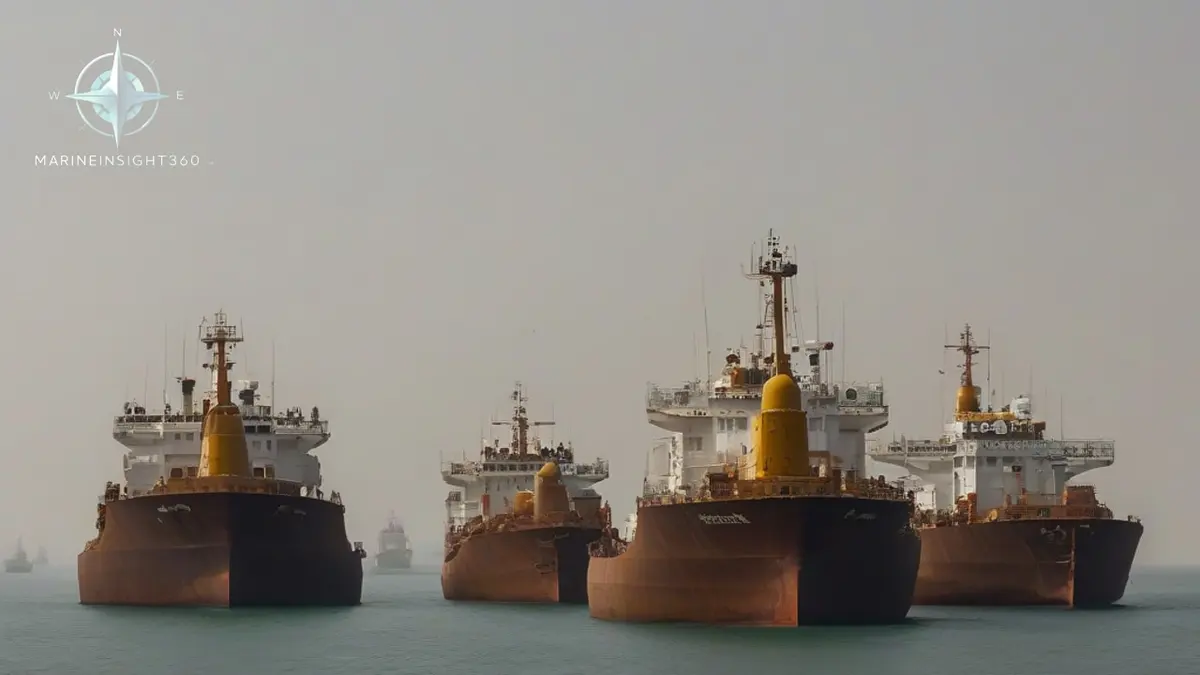
Shipping that normally passes through this choke point is now stalled, forcing crews and operators to rethink routes, costs and safety.
Key Facts at a Glance
- Strait handles nearly one‑fifth of the world’s seaborne oil.
- Iran closed the waterway on June 20, 2026, citing Israeli “crimes” in Lebanon and U.S. “breaches of trust.”
- U.S. military launched strikes on 140 Iranian targets after an IRGC attack on a ship near the Strait.
- Iran declared the Strait open less than 24 hours before announcing its closure again.
- U.S. insists the waterway remains open.
Assessing the Risk: Decision Criteria for Rerouting
When a strategic chokepoint closes, the first question is whether to reroute or wait. Use these criteria to decide:
- Duration of Closure. A temporary shutdown (hours to days) may be less disruptive than a prolonged one (weeks to months). Current reports show no clear end date.
- Alternative Routes. The most common detour is via the Bab el‑Mandeb Strait, adding 1,500–2,000 nautical miles and 4–6 days to the voyage. Consider fuel, port fees, and cargo time‑sensitivity.
- Insurance Implications. Extended routes can trigger higher freight rates and may affect hull and cargo insurance premiums.
- Crew Welfare. Longer voyages increase fatigue risk. Evaluate crew rotation plans and shore leave schedules.
- Regulatory Compliance. Verify that detour ports meet IMO safety and environmental standards, and that any required permits are in place.
Common Mistakes to Avoid
- Assuming the closure is permanent. Iran’s history of declaring the Strait open and then closed again suggests a volatile situation.
- Underestimating detour costs. Fuel consumption can rise by 10–15 % on longer routes.
- Neglecting crew safety. Extended voyages without proper rest can lead to accidents.
- Failing to update stakeholders. Shippers, insurers and port authorities need timely information to adjust schedules.
Operational Impact on Crew and Cargo
For crews, the uncertainty means more watch rotations and potential overnight stays in unfamiliar ports. The risk of encountering hostile forces or piracy increases when vessels are diverted to less secure waters.
For cargo owners, delays can erode market value, especially for time‑sensitive goods like LNG or perishable commodities. The added distance also raises the chance of mechanical failures, requiring more robust maintenance checks before departure.
Port operators on alternate routes may experience congestion. The Bab el‑Mandeb and Suez Canal have seen increased traffic, potentially leading to berth shortages and higher port fees.
Strategic Actions for Shipping Professionals
- Update your vessel’s voyage planning software with the latest political alerts.
- Notify insurers of the potential change in route and discuss coverage adjustments.
- Coordinate with the ship’s master to revise the crew schedule, ensuring compliance with the International Labour Organization’s 2009 Maritime Labour Convention.
- Engage with port authorities along the detour to secure berthing slots and confirm that local security measures meet IMO standards.
- Maintain open lines of communication with the shipping company’s risk management team and the Marine Insight 360 Knowledge Base for real‑time updates.
Whether Iran can lawfully close the strait
The legal position is separate from the physical one. Straits used for international navigation are governed by UNCLOS Part III, which grants a right of transit passage that the bordering state may not suspend. Iran signed the convention in 1982 but never ratified it, and has argued that transit passage does not bind a state that is not a party.
That argument does not change what a master faces. A declared closure backed by naval assets is a physical risk whatever its legal standing, and it is the underwriter's view of that risk, not the legal argument, that decides whether the transit is covered.
What actually halts traffic through the strait
The lanes sit inside an IMO-adopted traffic separation scheme running through Omani territorial waters, so a vessel following the scheme is not in Iranian waters for the transit. What stops movement is the machinery around the passage: war risk underwriters withdraw or reprice cover, charterers invoke war clauses, and crews assert the rights their agreements give them.
Seafarers on ships covered by an IBF agreement have a contractual right to refuse to sail into an area designated a warlike operations area, and to be repatriated at the company's cost. A closure that nobody enforces at sea can still empty a transit list through those three routes.
Why This Matters to the Industry
The Strait of Hormuz is a linchpin for global energy trade. A sudden closure ripples through the entire supply chain, affecting fuel prices, shipping schedules, and crew safety. Understanding how to assess risk, avoid common pitfalls, and act decisively can save time, money and lives.
Next step: review the Marine Insight 360 “Shipboard Operations” section for detailed guidance on rerouting protocols and crew management during geopolitical disruptions.