Study finds GHG pricing is key to cost-effective shipping decarbonization
A recent study has found that greenhouse gas pricing is key to cost-effective shipping decarbonization .
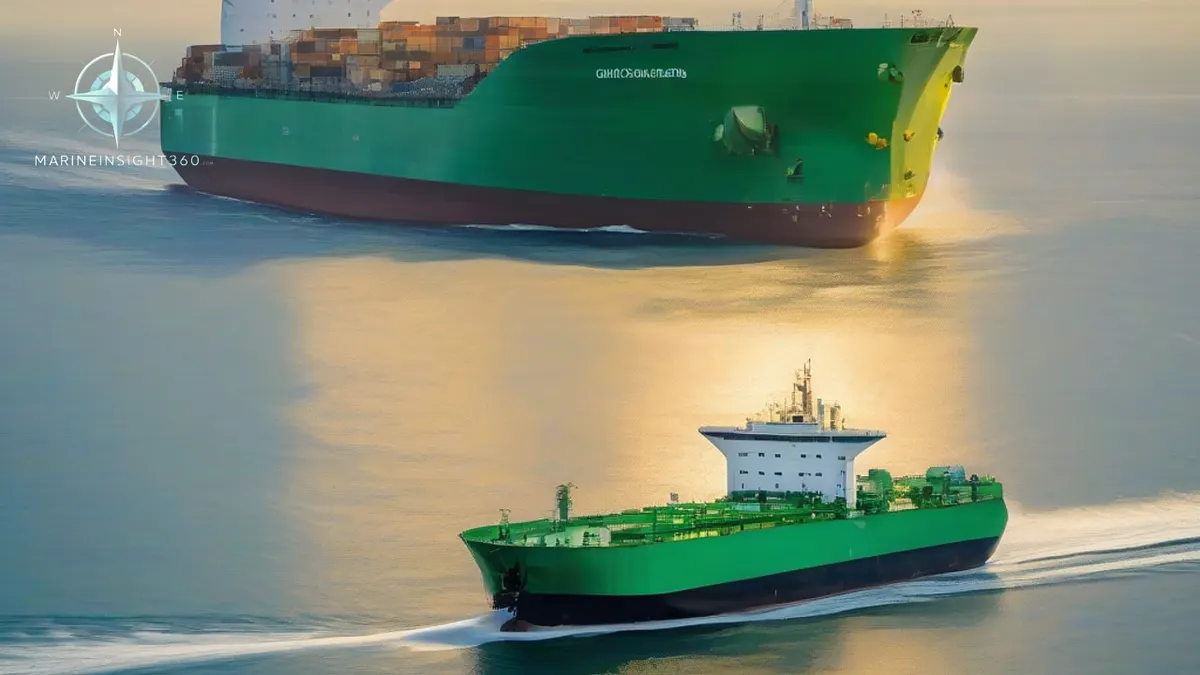
Study finds GHG pricing key to decarbonization.
Key facts about Study finds GHG pricing is key to cost-effective shipping...
A recent study has found that greenhouse gas pricing is key to cost-effective shipping decarbonization. This study highlights the need for a pricing mechanism to reduce emissions from the shipping industry. The International Maritime Organization has set a target to reduce greenhouse gas emissions from shipping by at least 50% by 2050 compared to 2008 levels.
The study suggests that implementing a greenhouse gas pricing mechanism can help the shipping industry achieve this target in a cost-effective manner. This can be achieved through a variety of measures such as a carbon tax or an emissions trading system. The shipping industry is a major contributor to greenhouse gas emissions, with around 2.2% of global emissions attributed to the sector.
The implementation of a greenhouse gas pricing mechanism can encourage shipowners to switch to cleaner fuels or invest in more energy-efficient ships. This can also lead to the development of new technologies and innovations in the shipping industry. The study's findings are relevant to the ongoing discussions at the International Maritime Organization on reducing greenhouse gas emissions from shipping.
The shipping industry is under pressure to reduce its emissions, with many countries and organizations calling for urgent action to address climate change. A greenhouse gas pricing mechanism can provide a financial incentive for shipowners to reduce their emissions, which can help the industry achieve its decarbonization targets. This matters to the industry because effective greenhouse gas pricing can help shipping companies transition to a low-carbon future while minimizing costs.
Acting on it
The practical follow-through on a sustainability development is short: confirm, communicate, and reassess any cost, compliance or scheduling call it might change.
Why the big markets care
In the high-volume markets, the US, UK, Europe, Singapore, Canada and Australia, this sustainability story matters to the extent it moves freight, regulation, hiring or investment in those trades.
Why this counts
Study finds GHG pricing is key to cost-effective shipping decarbonization is worth a pause because maritime stories compound: a single change touches owners, charterers, insurers, ports and crews, and the consequences outlast the news cycle.
Read it for the operational meaning, the decisions it affects and the facts still to be pinned down.
Operational context
On the ground, a sustainability story like this can shape voyage planning, budgets, charterer expectations and insurer terms. The real question is which teams have to respond.
It is also why sourcing matters: check the report against official notices, company statements and port or flag-state guidance before acting on it.
Points to track
- Official follow-up from agencies, flag states or classification societies.
- Any change to voyage planning or cost.
- Knock-on effects for charter rates, hiring or compliance checks.
- Whether the practical impact widens or turns out smaller than first reported.
So what?
The test for this decarbonisation story is simple: does it change a decision? Strip it to the confirmed facts, weigh the impact on safety, cost, schedule or compliance, and route it to whoever needs it. If it changes nothing, it is just context, which is fine too.