Tankers Fear Hormuz Transits as Iran Stops Vessels
Learn why tankers are skipping Hormuz, the risks involved, and how to plan safer routes in the current geopolitical climate.
Why Tankers Are Skipping Hormuz in the Current Tension
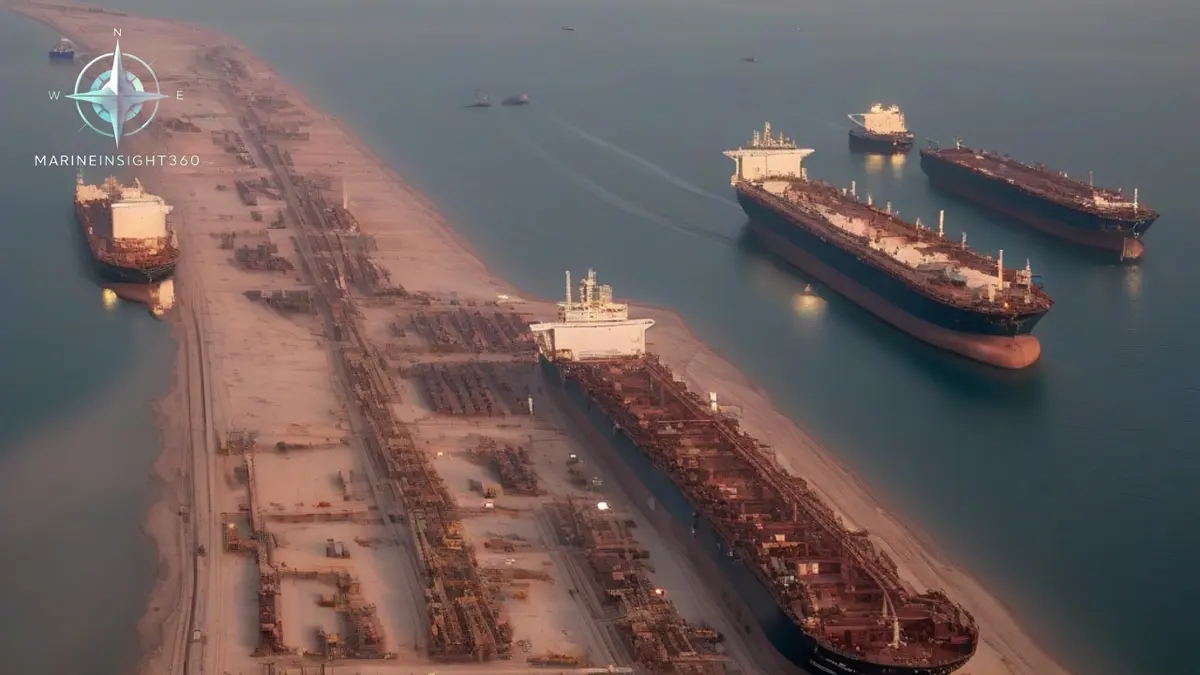
Tankers are avoiding Hormuz transits because Iran is stopping vessels. The strait carries roughly 20% of global oil traffic and has been largely closed to most ships since early March, when the United States warned it could block all traffic through it. Iran has intensified its military posture, leaving operators to choose longer routes or risk interception.
Operational Snapshot: What Has Happened Since March 1
According to data compiled by OilPrice.com, at least 19 oil‑ and liquefied petroleum gas‑carrying ships that are not linked to Iran have successfully entered and exited Hormuz since March 1. However, the flow has been uneven, with periods of complete standstill. Between Sunday and Monday, four non‑Iranian crude carriers left the Persian Gulf with their Automatic Identification System (AIS) transponders switched off, a tactic used to reduce the risk of detection by Iranian forces.
Iran’s joint military command has issued a warning that all oil tankers must use its approved routes or face a “…” (the source truncates the exact wording). This directive, combined with U.S. naval patrols, has created a high‑risk environment that many operators consider unacceptable.
Decision Criteria for Route Planning Through the Persian Gulf
Risk Assessment vs. Time‑Criticality
When deciding whether to transit Hormuz, operators weigh the probability of interception against the time saved. A direct route through the strait can reduce voyage time by up to 12 % compared with detouring around the Arabian Peninsula. For time‑critical cargoes—such as certain chemicals or high‑value LNG—this margin can be decisive.
Insurance and Liability Considerations
Insurance underwriters typically raise premiums for voyages that pass through high‑risk zones. If a vessel is intercepted or damaged, claims can be denied or delayed, leading to significant financial exposure. Many insurers now require proof of route compliance with international maritime security guidelines.
Regulatory Compliance and Flag State Obligations
Flag states may impose restrictions on vessels that enter contested waters. For example, the U.S. Maritime Administration has issued advisories that could affect U.S. flagged ships. Operators must ensure that their routing decisions align with both national and international regulations to avoid sanctions or penalties.
Trade‑Offs: The Cost of Avoiding Hormuz
Choosing an alternate route—such as the Gulf of Aden or the Indian Ocean—adds distance and fuel consumption. A 1,000‑nautical‑mile detour can increase fuel costs by 5–8 % for a typical 200‑meter tanker. Additionally, crew fatigue rises due to longer voyages, potentially impacting safety.
On the other hand, the risk of a seizure or attack can result in loss of cargo, vessel damage, and reputational harm that far outweighs the incremental fuel cost. Operators must evaluate whether the added time and expense are justified by the strategic need to deliver cargo on schedule.
Common Mistakes and How to Avoid Them
- Underestimating the AIS switch‑off tactic. Some crews believe that disabling the transponder is a fool‑proof shield. In reality, it only delays detection; radar and satellite imagery can still reveal a vessel’s position.
- Ignoring local intelligence. Relying solely on global shipping data without incorporating regional security briefings can lead to misinformed routing decisions.
- Failing to coordinate with port authorities. Ports along alternate routes may have limited berthing capacity for large tankers, causing delays that negate the time saved by avoiding Hormuz.
Operational Impact for Crew and Shipowners
For crew, extended voyages mean longer periods at sea, increased exposure to fatigue, and higher risk of onboard incidents. Shipowners must factor in crew cost escalations, potential overtime, and the need for additional safety training for extended routes.
From a logistical standpoint, port operators in the Gulf of Aden and the Indian Ocean are experiencing higher traffic volumes. This congestion can lead to berth shortages and longer waiting times, further eroding the time advantage of detouring.
Cost/Time Analysis: A Quick Reference
Below is a simplified comparison for a 200‑meter tanker carrying crude oil:
- Direct Hormuz transit – 12 % time savings, 0 % fuel penalty, high security risk.
- Detour via Gulf of Aden – 5–8 % fuel penalty, 8–10 % time increase, lower security risk.
- Detour via Indian Ocean – 10–12 % fuel penalty, 12–15 % time increase, lowest security risk.
What to Do Next
Shipping managers should consult the Marine Insight 360 “Shipboard Operations” section for detailed guidance on route planning under geopolitical risk. Additionally, engaging with a maritime security consultancy can provide real‑time intelligence that helps balance risk and cost.
Why This Matters to the Industry
Decisions made today about Hormuz transit will shape freight rates, insurance premiums, and the overall resilience of the global oil supply chain for months to come.