The international legal and practical development of shipping decarbonization: China’s perspective
China's perspective on shipping decarbonization has been outlined in a recent report.
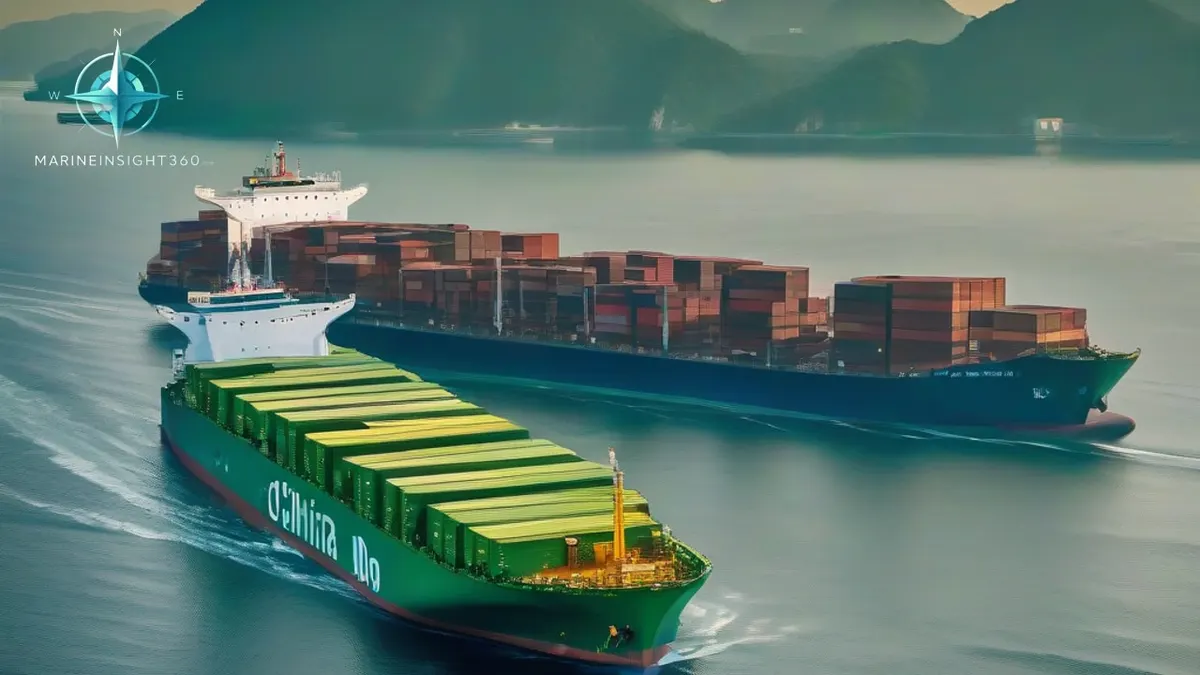
China shares perspective on shipping decarbonization.
Key facts about The international legal and practical development of shipping...
China's perspective on shipping decarbonization has been outlined in a recent report. The country is a major player in the global shipping industry, with a large fleet of vessels and a significant role in international trade routes. China's views on decarbonization are likely to influence the development of international regulations and standards for the industry.
The report highlights the need for a coordinated approach to decarbonization, involving governments, shipowners, and other industry stakeholders. The International Maritime Organization (IMO) has already taken steps to reduce greenhouse gas emissions from shipping, including the introduction of new fuel efficiency standards and a global cap on sulfur emissions. China is likely to play a key role in the development of future IMO regulations on decarbonization.
The practical development of shipping decarbonization will require significant investment in new technologies and infrastructure. This may include the development of alternative fuels, such as liquefied natural gas or hydrogen, and the introduction of new ship designs that are more fuel efficient. China's shipbuilding industry is well placed to play a leading role in the development of these new technologies, with many Chinese shipyards already investing in research and development.
The international legal framework for shipping decarbonization is still evolving, with many countries and organizations working to develop new regulations and standards. The IMO's Marine Environment Protection Committee is playing a key role in this process, with China and other major shipping nations actively involved in the discussions. The development of a global framework for decarbonization will be essential if the industry is to meet its goal of reducing greenhouse gas emissions.
This matters to the industry because China's perspective on shipping decarbonization will help shape the future of international regulations and standards for the sector.
Acting on it
The practical follow-through on a sustainability development is short: confirm, communicate, and reassess any cost, compliance or scheduling call it might change.
Why the big markets care
In the high-volume markets, the US, UK, Europe, Singapore, Canada and Australia, this sustainability story matters to the extent it moves freight, regulation, hiring or investment in those trades.
Why this counts
The international legal and practical development of shipping decarbonization: China’s perspective is worth a pause because maritime stories compound: a single change touches owners, charterers, insurers, ports and crews, and the consequences outlast the news cycle.
Read it for the operational meaning, the decisions it affects and the facts still to be pinned down.
Operational context
On the ground, a sustainability story like this can shape voyage planning, budgets, charterer expectations and insurer terms. The real question is which teams have to respond.
It is also why sourcing matters: check the report against official notices, company statements and port or flag-state guidance before acting on it.
Points to track
- Official follow-up from agencies, flag states or classification societies.
- Any change to voyage planning or cost.
- Knock-on effects for charter rates, hiring or compliance checks.
- Whether the practical impact widens or turns out smaller than first reported.