
Different Jobs in a Shipyard & Shipbuilding Industry
The shipbuilding industry's jobs are spread across a shipyard's whole build, from welders, fitters, painters and electricians on the shop floor to naval architects, marine engineers, project managers, inspectors and…
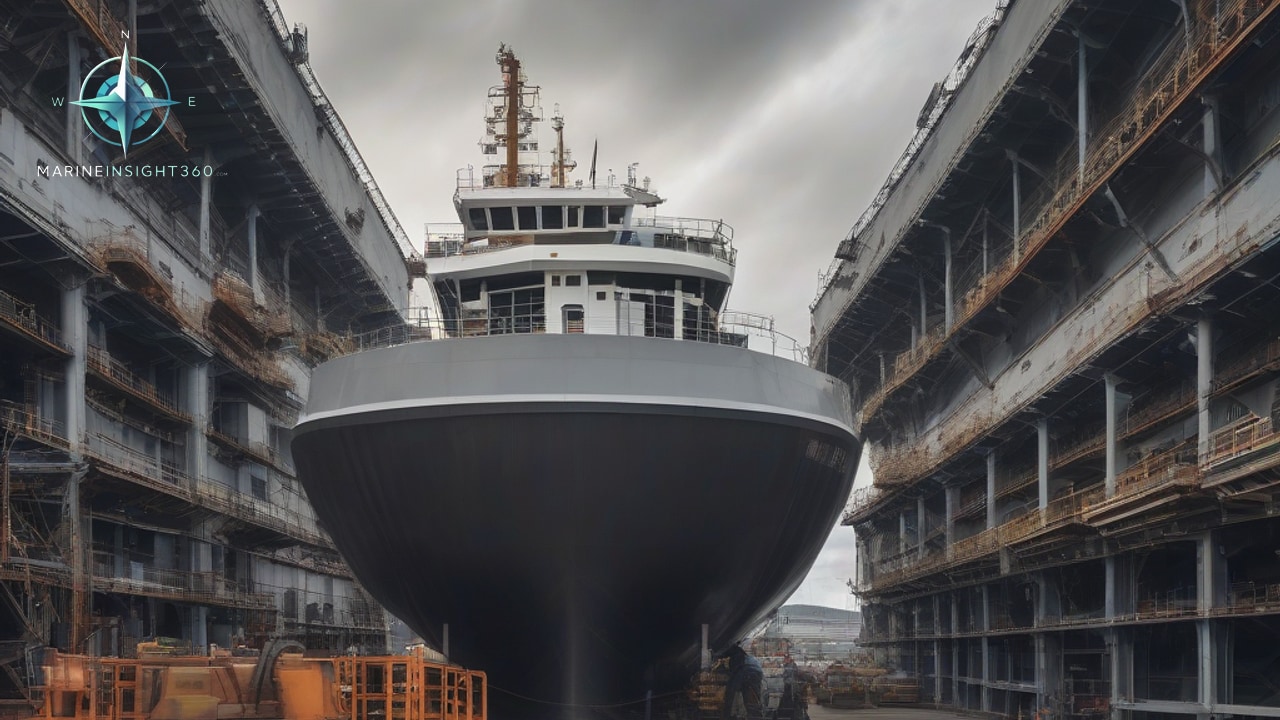
The shipbuilding industry's jobs are spread across a shipyard's whole build, from welders, fitters, painters and electricians on the shop floor to naval architects, marine engineers, project managers, inspectors and procurement specialists behind them.
Shipyards and the wider shipbuilding industry build the ships that carry the world's trade and passengers, and many also build and repair warships for navies.
An industry that size offers jobs from skilled trades through to engineering and management. This guide looks at the main career paths in shipbuilding and what each one involves.
Shipyard workers: The backbone of shipbuilding
The trades do the physical work of building a
ship: welders, fitters, painters, electricians, pipefitters and many more. Welders join the steel plates and sections, and the quality of their welds decides the strength of the hull.
Fitters cut, position and tack the steel so the ship is built exactly to the drawings before the welders finish the joints. Painters prepare surfaces and apply the coating systems that protect the hull and tanks from corrosion and fouling, as well as the owner's colours. Electricians run the cables and install and test the electrical equipment, from switchboards to lighting and navigation systems.
Naval Architects and Marine Engineers: Designing the Future of Seafaring
Naval architects and marine engineers design the ship to the owner's requirements and the rules, and produce the drawings the yard builds from. Their job descriptions overlap, but the focus differs.
Naval architects work on the ship as a whole: the hull form, structure, stability and performance at sea. Marine engineers concentrate on the machinery: the propulsion systems, power generation, HVAC systems, piping and the rest of the ship's equipment. The two work closely together throughout a project.
Project Managers: Orchestrating Shipbuilding Projects
A project manager runs the build of a ship or a series of ships, coordinating design, production, purchasing and subcontractors, and is the main contact with the owner and the classification society.
They are responsible for keeping the project on schedule and within budget from contract to delivery, so the job needs strong leadership and organisation.
Quality assurance and safety inspectors: Ensuring Compliance and safety:
Quality inspectors check that the ship is built to the approved drawings, the classification society's rules and the regulations of the flag state. They inspect materials, welding and other processes, and the finished work, and they work alongside the class surveyors and the owner's site team.
Safety inspectors carry out safety audits of yard work, looking for hazards such as hot work, enclosed spaces and work at height, and put corrective measures in place to prevent accidents. Both jobs need close attention to detail and a good knowledge of the rules.
Procurement specialists: Sourcing materials and equipment
A ship needs thousands of tonnes of steel and a long list of equipment, from main engines to galley fittings. Procurement specialists make sure the right materials, equipment and services are bought and arrive on time, and they negotiate with suppliers and subcontractors.
They evaluate bids and chase deliveries, because a late engine or a shortage of steel plate can hold up the whole build. The job takes analytical and negotiating skill and a constant balance between cost, quality and reliability.
Environmental engineers: promoting sustainable practices
Environmental rules for shipyards and for the ships they build have tightened, and environmental engineers help yards meet them. Their work ranges from controlling the yard's own emissions and waste to designing and integrating systems on board such as wastewater and ballast water treatment systems.
They write the yard's environmental procedures and make sure both the yard and its ships comply with national and international environmental regulations, including IMO's MARPOL convention. The job usually needs a background in engineering together with environmental science jobs experience, and engineering knowledge is a core part of the job description.
Research and development engineers: Innovating for the future
R&D engineers develop new designs and technologies for future ships, such as new materials, cleaner fuels and propulsion, and better production methods that make the yard more efficient.
They run experiments, model tests and simulations, analyse the data and work with designers and production teams to turn the results into ships.
There are shipbuilding jobs for people with very different skills, from new welders and painters to graduate engineers and managers.
Recommended Reading

Top 5 Dominant Global Shipbuilding Industry
The international shipbuilding industry , a cornerstone of maritime trade and logistics, is highly competitive. Several major players are expected to…

Top 10 Largest Flag States in the Shipping Industry
In global shipping, a flag state is the country where a vessel is registered. The flag a ship flies determines the laws it must follow, safety…

Different Stages of Ship Design Explained
Designing a ship is a complex and highly structured process that transforms an idea into a fully operational vessel.