The World’s Heaviest Ship Lifts Oil Platforms Without A Single Crane
The world's heaviest ship has achieved a remarkable feat by lifting oil platforms without using a single crane.
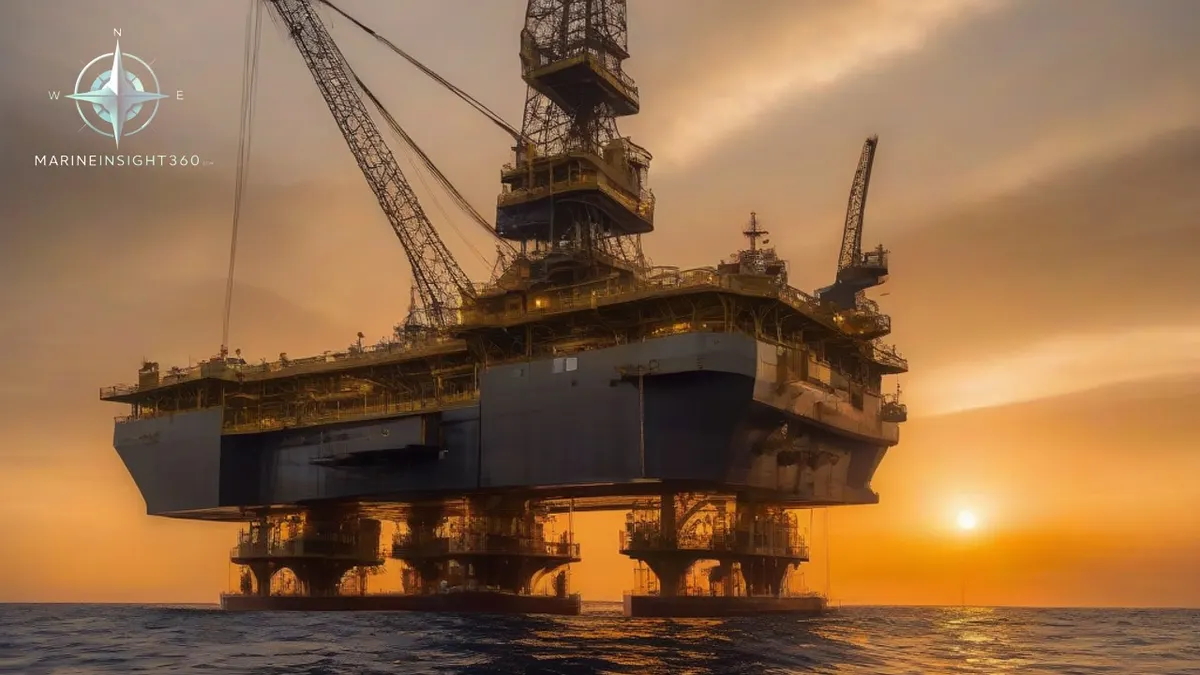
Heaviest ship lifts oil platforms without cranes.
The world's heaviest ship has achieved a remarkable feat by lifting oil platforms without using a single crane. This ship's design allows it to lift massive structures, making it an essential asset for the oil and gas industry. The ship's capabilities will likely be in high demand, particularly for operations in harsh environments where traditional crane-based methods may not be feasible.
The ship's ability to lift oil platforms without cranes is a testament to its advanced design and engineering. This technology can be applied to various maritime operations, including offshore construction and decommissioning projects. The International Maritime Organization's guidelines for offshore operations emphasize the need for safe and efficient practices, and this ship's capabilities align with these principles.
The oil and gas industry relies heavily on specialized ships like this one to support their operations. As the industry continues to expand into deeper waters and more remote areas, the demand for ships with advanced lifting capabilities will increase. The ship's design also complies with the Safety of Life at Sea convention, ensuring the safety of crew members and the environment.
This ship's technology has the potential to reduce the risks associated with traditional crane-based lifting methods. By minimizing the use of cranes, the ship can reduce the risk of accidents and environmental damage. The ship's capabilities will be closely watched by the maritime industry, particularly by shipowners and operators who are looking to invest in advanced technologies.
The development of this ship's technology matters to the industry because it has the potential to increase efficiency and safety in offshore operations.
Reading it by market
Each major maritime market weighs a shipping story differently, but the question is the same in Singapore, London, Houston or Sydney: does it change the cost, the rules or the demand we operate under?
What readers should watch
Technology stories matter when they move from pilot projects into vessel operations, maintenance routines or regulatory acceptance. Readers should watch for official follow-up, company confirmation and any change in operational guidance before treating early details as final.
Why this matters
The World’s Heaviest Ship Lifts Oil Platforms Without A Single Crane rarely stays in one lane. A shipping development like this can reach vessel operators, charterers, insurers, port teams, seafarers and regulators at the same time.
The useful read is the signal under the headline: what actually changes, what still needs confirming, and where it touches safety, compliance, trade or fleet planning.
What it changes day to day
Shipping developments feed straight into voyage planning, compliance costs and commercial decisions. Ship managers may revisit risk assessments, commercial teams may reprice, and crews may need fresh instructions before the next call.
Confirm the detail against primary sources first, official notices, company updates, port and flag guidance, rather than acting on the headline.
Signals to follow
- Confirmation, or correction, from primary sources in the coming days.
- Movement in insurance clauses, schedules or commercial terms.
- Whether other routes, ports or fleets become exposed.
- Guidance from owners, managers or authorities that turns news into action.