Trump Warns US Will Hit Iran Again Tonight
Trump Warns US Will Hit Iran Again Tonight: ports, trade and shipping-market context for US, UK, Canada, Australia, Singapore and European maritime...

Trump Warns US Will Hit Iran Again Tonight
If you’re a seafarer, cadet, or shipping professional, you need to understand how President Donald Trump’s recent statement about striking Iran tonight could affect your operations in the Persian Gulf and beyond.
What the Announcement Means for Shipping
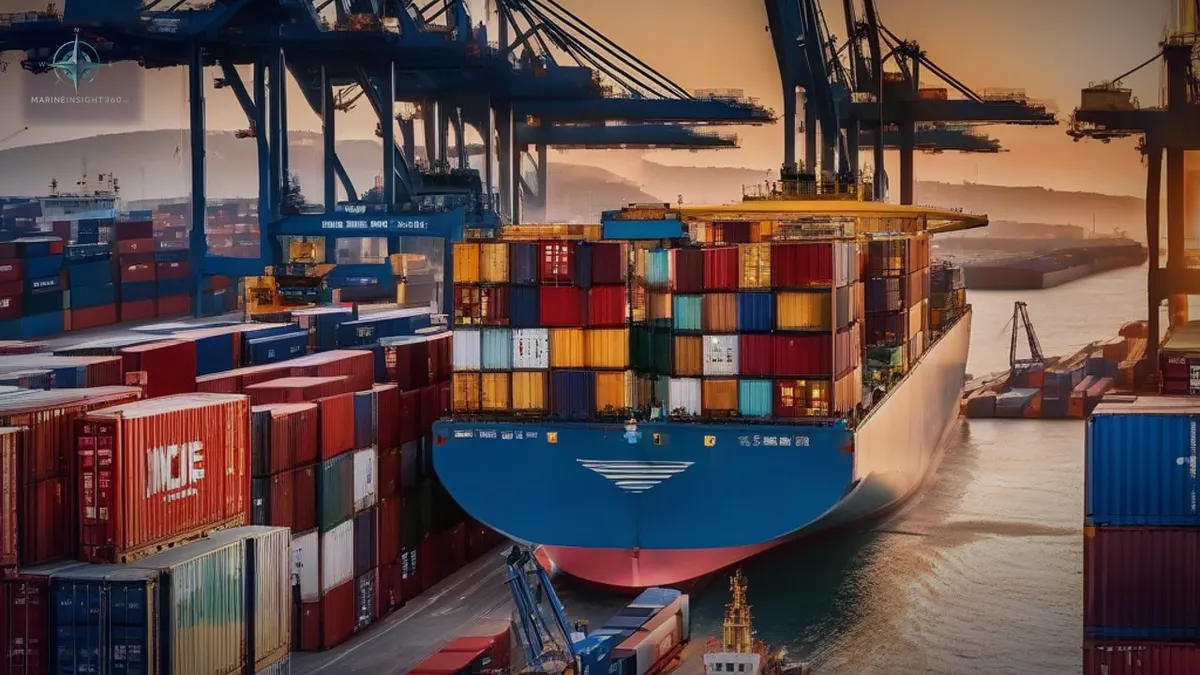
Trump’s declaration that the United States will “hit Iran very hard tonight” signals a sharp escalation in U.S.–Iran tensions. The president also said the ceasefire between the two countries is over and that the U.S. might seize Iran’s oil hub, Kharg Island. For vessels transiting the Gulf of Oman, the Strait of Hormuz, or the broader Arabian Sea, this rhetoric raises the risk of military conflict that could disrupt navigation, block key shipping lanes, or damage port infrastructure.
Key implications for the maritime sector include:
- Increased security risk. Military strikes could target shipping lanes or support facilities.
- Potential oil supply disruptions. Kharg Island is a major oil export terminal; any seizure or damage could affect global oil prices and supply chains.
- Regulatory uncertainty. Shipping authorities may issue new advisories or restrictions on vessels entering or leaving the region.
- Insurance and liability concerns. Operators may face higher premiums or coverage exclusions for vessels operating near conflict zones.
Historical Context of U.S.–Iran Tensions
U.S. and Iran have a long history of confrontations, especially over maritime security in the Persian Gulf. Past incidents, such as the 2019 U.S. missile strike on an Iranian naval vessel, have demonstrated that escalations can quickly spill over into the shipping domain. Trump’s latest remarks echo earlier statements that the U.S. would not tolerate Iranian aggression, but the explicit mention of “strikes tonight” is a new level of immediacy.
While the source does not detail prior incidents, the pattern of U.S. military responses to Iranian provocations suggests that any escalation could involve air or naval assets operating close to commercial shipping routes.
Immediate Risks to Maritime Operations
Seafarers should consider the following risk factors:
- Route disruption. The Strait of Hormuz is a choke point; any military action could block passage for tankers and container ships.
- Port closures. Ports in Iran or neighboring countries might be closed or restricted, affecting cargo delivery schedules.
- Security incidents. Vessels could become targets for hostile fire or piracy if the region becomes militarized.
- Environmental hazards. Oil spills from damaged infrastructure could pose environmental and cleanup liabilities.
These risks are compounded by the fact that the U.S. president has stated the ceasefire is over, implying that diplomatic avenues are currently closed.
Mitigation and Planning for Seafarers
To safeguard operations, consider the following steps:
- Monitor official advisories. Keep up with updates from the U.S. Maritime Administration, the International Maritime Organization, and national maritime authorities.
- Adjust routing. If possible, reroute vessels to avoid high‑risk zones, even if it adds distance or time.
- Enhance onboard security. Ensure crew training on emergency procedures, including evasive maneuvers and damage control.
- Insurance review. Verify that your vessel’s insurance covers incidents arising from armed conflict or maritime terrorism.
- Communicate with stakeholders. Inform shippers, charterers, and port authorities of potential delays or rerouting plans.
These measures help maintain operational continuity while respecting the heightened security environment.
Next Steps for Seafarers and Shipping Professionals
Given the evolving situation, the most prudent action is to stay informed and prepared. Check the Marine Insight 360 Knowledge Base for the latest risk assessments and recommended best practices for operating in high‑risk maritime zones. If you’re planning a voyage that may intersect the Persian Gulf, review the latest U.S. maritime advisories and consult your company’s risk management team before departure.
In short, Trump’s warning signals a potential escalation that could disrupt shipping lanes, oil exports, and maritime safety. By staying vigilant, adjusting routes, and reinforcing security protocols, seafarers can mitigate the impact of this geopolitical shift.
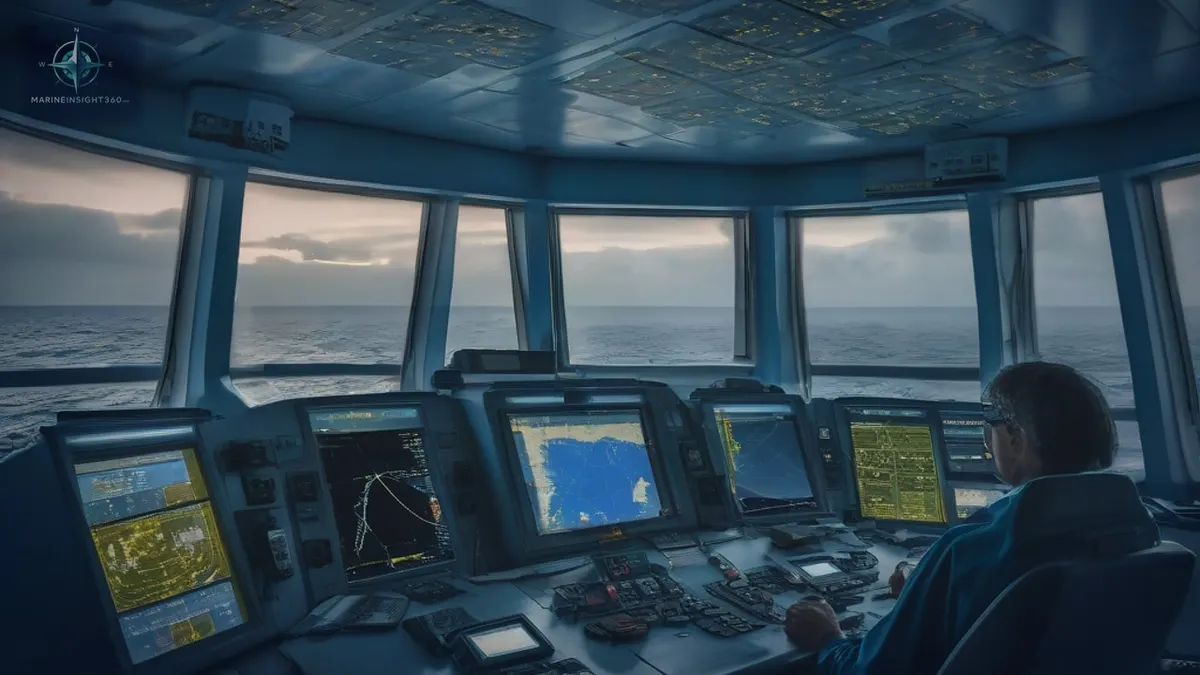
What the strait looks like from the bridge
At its narrowest the Strait of Hormuz is about 21 nautical miles wide. The deep-water traffic lanes sit inside Omani territorial waters near the Quoin Island turn, two miles wide in each direction with a two-mile separation zone between them. A transiting ship has very little room to move away from anything.
Merchant traffic in the area reports to UKMTO in Dubai, which runs the voluntary reporting area and issues the advisories that reach the bridge first. In a period like this, masters report entry, keep the decision on AIS transmission under review, and log every close approach by a small craft.
Why Kharg Island is named in the threat
Kharg is Iran's main crude export terminal, in the northern Gulf, and nearly all Iranian seaborne crude leaves through it. A threat to seize or damage Kharg is a threat to the loading end of that trade. It is not the same as a threat to transit through Hormuz.
The distinction matters for planning. Interference at a loading terminal removes cargoes and moves freight rates. Interference in the strait stops ships that have nothing to do with Iranian oil, including the LNG that leaves Qatar through the same water.