USS George M. Neal Adds Flight III Air Defence Capability
USS George M. Neal, DDG 131, combines the SPY-6 radar and Aegis Baseline 10 as the US Navy expands its Flight III destroyer fleet.
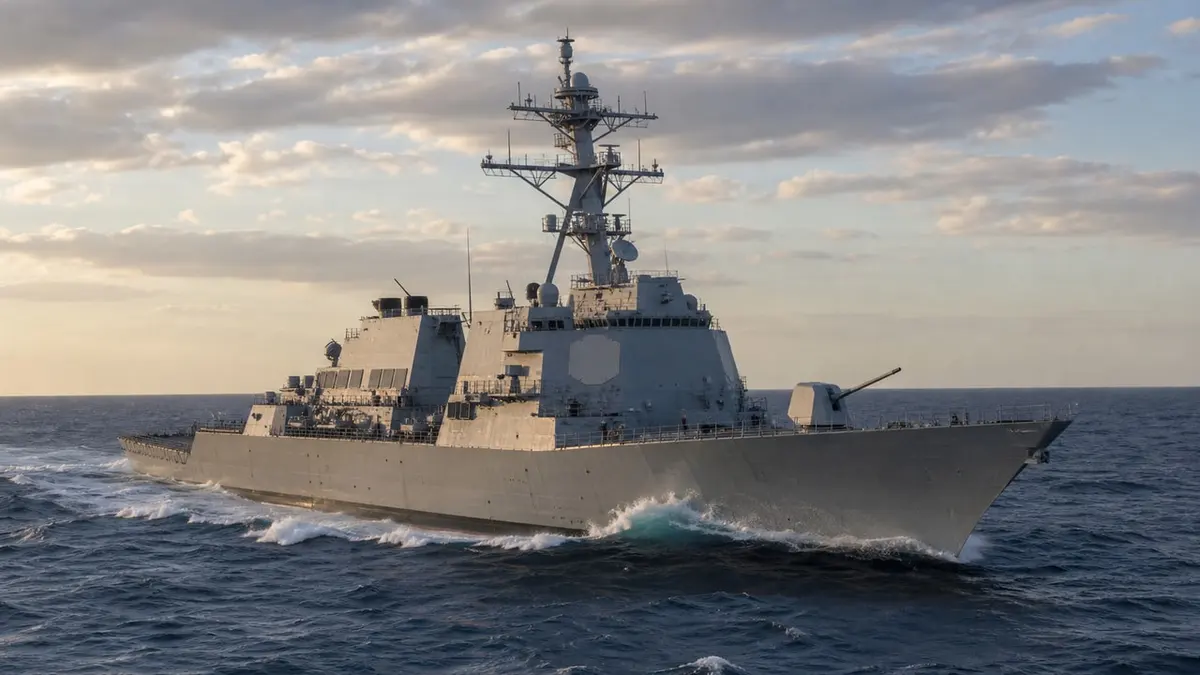
The future USS George M. Neal (DDG 131) is moving through outfitting and testing as another Flight III Arleigh Burke-class guided-missile destroyer for the US Navy. Its defining upgrade is the pairing of the AN/SPY-6(V)1 Air and Missile Defense Radar with the Aegis Baseline 10 combat system.
Where DDG 131 stands
Army Recognition reported that the ship was launched by HII's Ingalls Shipbuilding in Pascagoula, Mississippi, on 1 April 2026. A christening announcement followed in July. Launch and christening are construction milestones; they do not mean the destroyer has entered commissioned service. Outfitting, system activation, testing and sea trials still separate a launched hull from an operational warship.
The report identifies George M. Neal as the fourth Flight III destroyer built at the Pascagoula yard. The class retains the established Arleigh Burke hull while adding the power, cooling, sensor and combat-system changes needed for the newer radar.
What makes Flight III different
SPY-6(V)1 is designed to improve detection and tracking for air and missile defence. Integrated with Aegis Baseline 10, it is intended to let a Flight III destroyer support anti-air warfare and ballistic-missile defence at the same time. That capability is central to protecting carrier groups and other high-value formations facing several types of threat.
The cited report says the radar uses gallium-nitride technology, scalable radar modules and digital beamforming. These are not simply range upgrades. Better sensitivity and target discrimination can give a combat team more time to classify tracks and coordinate a response during a complex raid.
Weapons and mission range
DDG 131 is expected to retain the broad combat fit associated with the class, including the Mk 41 Vertical Launching System, Standard Missiles, Tomahawk land-attack missiles, Vertical Launch ASROC and Evolved SeaSparrow Missiles. The report also lists torpedoes, a five-inch gun and embarked MH-60R helicopters.
That combination supports fleet air defence, ballistic-missile defence, anti-submarine warfare, anti-surface warfare and land attack. A destroyer can operate independently, but its sensor and weapon mix is especially relevant when screening a carrier strike group, expeditionary force or surface action group.
Why the programme matters
The significance of George M. Neal is cumulative rather than symbolic. Each Flight III hull adds another networked radar and missile platform to the surface fleet. Army Recognition reported in July 2026 that 25 additional DDG 51-class ships were under contract and 12 were at different stages of construction.
Those figures and delivery schedules can change, and the ship's operational performance cannot be judged before trials and fleet service. What is established is the intended configuration and the progress from launch into outfitting.
For related coverage, see our naval and maritime news and frigate versus destroyer guide.
What a Flight III looks like to a merchant bridge team
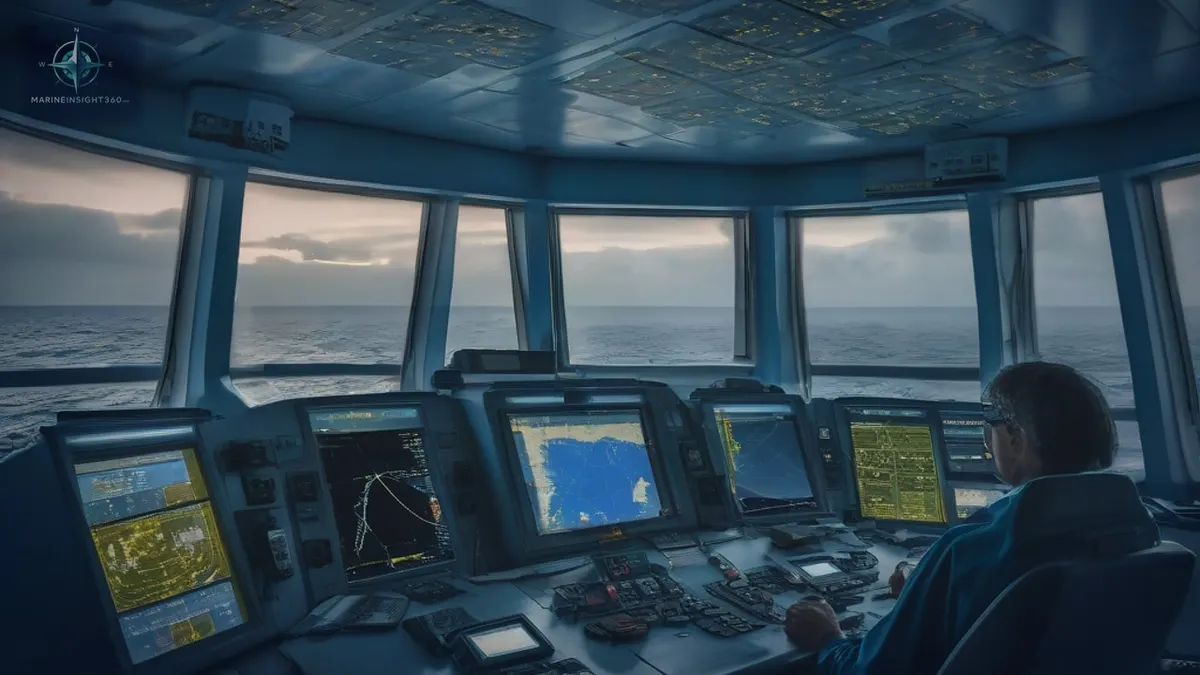
Nothing in the SPY-6 upgrade changes how a merchant ship deals with a destroyer it meets at sea. The COLREGs apply to warships as they do to everyone else, and a Flight III's sensors are built for air and missile tracks, not for resolving a close-quarters situation with a bulk carrier in a traffic separation scheme.
The practical difference is what the merchant bridge can see. AIS carriage is a SOLAS Chapter V requirement and warships sit outside SOLAS, so a destroyer may be working with AIS off. A watchkeeper used to reading a target's name, course and speed off the AIS list is left with radar plotting and visual bearings.
Two collisions in 2017 are why this is worth stating. USS Fitzgerald was struck by the container ship ACX Crystal off Japan in June, and USS John S. McCain collided with the tanker Alnic MC near Singapore in August. Seven sailors died in the first and ten in the second.
The US National Transportation Safety Board (NTSB) investigated the McCain collision and traced it to the warship's bridge team losing control of the ship after a steering transfer, not to anything the tanker did. A merchant watchkeeper's protection in that situation is early, unambiguous action under the COLREGs and a readiness to sound the doubt signal.
Source and verification
This report is based on details published by Army Recognition. Capability descriptions are stated as intended features of a ship still progressing toward operational service.