Yemen’s Houthis declare naval blockade against Saudi Arabia amid Strait of Hormuz fighting
Learn how Yemen’s Houthi naval blockade of Saudi Arabia and US pressure to lift the Strait of Hormuz blockade affect shipping routes, crew safety and operationa
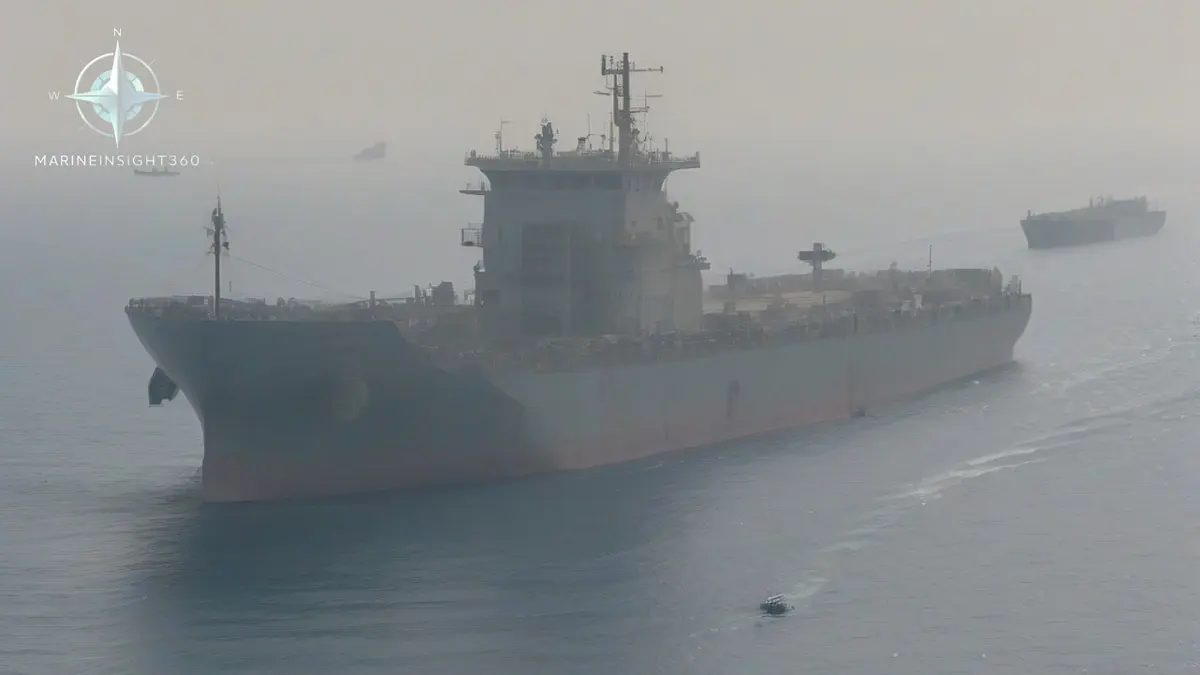
Houthis declare a naval blockade against Saudi Arabia amid Hormuz tensions
Yemen's Houthi movement has declared a naval blockade against Saudi Arabia, describing it as an eye for an eye response. The declaration came hours after the group accused the kingdom of attacking Sanaa airport, and follows a Saudi appeal to the United States to lift its blockade of the Strait of Hormuz.
What the Blockade Means for Shipping Operations
For vessels transiting the Arabian Gulf, the Houthi declaration signals a potential escalation in the already volatile region. While the blockade targets Saudi waters, the proximity of the conflict to the Strait of Hormuz raises concerns about:
- Route Diversions: Ships may need to reroute to avoid the Houthi‑controlled zone, increasing transit time and fuel costs.
- Security Briefings: Crew must receive updated risk assessments and emergency procedures for the area.
- Insurance Premiums: Insurers may adjust coverage rates for vessels operating near Yemen and Saudi Arabia.
Impact on Oil Transport and Global Supply Chains
The Strait of Hormuz is a critical chokepoint for crude oil shipments. Any disruption—whether from a Houthi blockade or a U.S. naval presence—can ripple through global markets. Operators should monitor:
- Oil price volatility linked to shipping delays.
- Potential backlog at ports along the Gulf coast.
- Availability of alternative routes such as the Cape of Good Hope.
Legal and Regulatory Considerations
Maritime law treats blockades as acts of war, but the legal status of a unilateral naval embargo by a non‑state actor remains ambiguous. Key points for operators include:
- Compliance with international maritime conventions that prohibit interference with neutral shipping.
- Adherence to U.S. sanctions that may apply to vessels entering or transiting Saudi waters.
- Coordination with flag state authorities to ensure crew safety and vessel security.
Common Mistakes to Avoid
In the rush to respond to the blockade, shipping companies often make the following errors:
- Underestimating the time required to secure alternative routing approvals.
- Failing to update crew on new emergency protocols specific to the Houthi threat.
- Ignoring the potential for secondary sanctions if a vessel is perceived to support the blockade.
Strategic Responses for Operators and Shippers
Proactive planning can mitigate operational disruptions. Consider the following steps:
- Route Planning: Use real‑time AIS data and threat maps to chart the safest path around Yemen and Saudi waters.
- Communication Protocols: Maintain constant contact with the ship’s master, the port authority, and the company’s security team.
- Insurance Review: Verify coverage limits for war risk and ensure that the policy includes protection against blockades.
- Contingency Funding: Allocate budget for potential detours, increased fuel consumption, and port fees.
Engaging with Authorities
Operators should engage with:
- U.S. Maritime Administration for guidance on the current blockade status.
- Flag state maritime safety agencies for updates on legal obligations.
- Local port authorities for any changes in port access or security requirements.
Monitoring and Intelligence Gathering
Continuous intelligence is vital. Key sources include:
- Official statements from the Houthi spokesperson and Saudi officials.
- U.S. Department of Defense briefings on naval operations in the Gulf.
- Commercial maritime intelligence platforms that track vessel movements and potential threats.
Regularly update the ship’s risk assessment and adjust operational plans accordingly.
Which Saudi ports a Red Sea blockade actually reaches
Saudi Arabia loads from two coasts, and they are reached through different chokepoints. Ras Tanura, Jubail and Dammam sit on the Gulf and depend on the Strait of Hormuz. Jeddah and Yanbu sit on the Red Sea and are reached through Bab el-Mandeb, past Yemen. A declaration aimed at Saudi shipping from Yemen bears on the second group, not the first.
The two coasts are linked by pipeline. The East-West line carries crude from the eastern fields across to Yanbu, and that link is what lets Saudi exports keep moving when Hormuz is constrained. Pressure on both ends at once removes the fallback, which is why a Red Sea threat and a Hormuz blockade are read together rather than separately.
Avoiding Bab el-Mandeb means the Cape of Good Hope. On an Asia to North Europe run that adds roughly 3,000 nautical miles over the Suez route, with the bunkers, the extra charter days and the schedule reset that follow. The Bab el-Mandeb closure explainer works through the same arithmetic.
Why This Matters to the Maritime Community
The Houthi blockade and the U.S. response to the Strait of Hormuz blockade create a complex risk environment that directly affects crew safety, vessel scheduling, and global supply chains. Staying informed and prepared is essential for minimizing disruptions.
Next step: consult Marine Insight 360’s “Shipboard Operations” section for detailed guidance on emergency procedures in conflict zones.