
What Is A Ship Superstructure?
A superstructure is any extension of a building or platform that rises significantly above the rest of the structure.
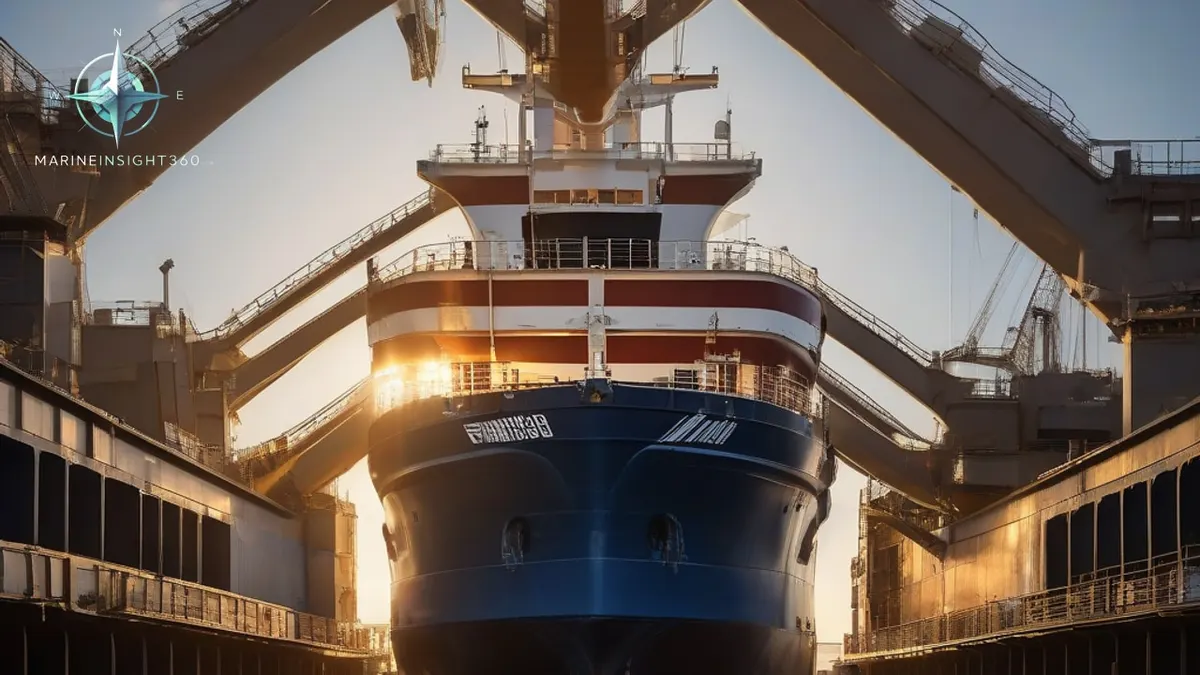
What Is A Ship Superstructure?
A superstructure is any extension of a building or platform that rises significantly above the rest of the structure. The term derives from the combination of two Latin words: the prefix "super," meaning "attach," "exceed," or "increase," and the root "structure," meaning "to build" or "to pile up." Thus, "superstructure" refers to the addition of new structures to existing ones. In ships, the term refers to the portion of the vessel that protrudes from the deck. However, masts, sails, weaponry, or armories do not fall into this category.
The size of a superstructure significantly affects a ship's performance. Its design can enhance its value while reducing speed and movement. The design of a superstructure often follows fashion trends because it is the most visible part of a ship; in fact, it is a defining feature of a ship, so designers strive to give it a unique character.
- Hull of A Ship – Types, Structure, Material
- The Structure And Purpose Of Mast Of Ship
- Ship Behavior in Shallow Water: Resistance & Speed
- Electric Cargo Ship – Future of Maritime Transport
Ship Superstructure
The design of different ships can vary. For example, on some ships, the superstructure protrudes vertically and dramatically from a relatively flat deck. Aircraft carriers are a prime example, with their large size and wide, flat deck that also serves as a runway for aircraft. The existing hull is a multifunctional center: it serves as the aircraft control tower, the command center for all ship activities, and the workstation for most technical personnel. Therefore, the superstructure performs a variety of functions.
On many ships, the superstructure is wider, larger, and more spacious. For example, the hull of a cruise ship extends from a flat base and covers the entire deck in a multi-deck pattern. The extended hull spans the lower decks, adding several more decks above. At the final extension, the majestic hull adds splendor to this beautiful vessel.
Most cruise and passenger ships choose this design because it not only enhances the ship's aesthetics but also conserves valuable passenger space. Besides living space, many other recreational activities and activities require space, so tall and wide superstructures are the ideal solution to balance these needs and design requirements.
In most cases, these structures and designs add a new dimension to the ship's structure, improving stability and durability. But most importantly, they provide engineers and structural designers with a wide range of options regarding the technical foundation and development of the ship. Superstructures have become increasingly essential for modern naval vessels.
The Load Line test that decides what counts as a superstructure
The word has a legal definition, not only a descriptive one. Under the International Convention on Load Lines, a superstructure is a decked structure on the freeboard deck that runs from side to side of the ship, or whose side plating is set in from the shell by no more than 4 per cent of the breadth.
Set the side plating in further than that and the same block becomes a deckhouse. The distinction is worth money. An enclosed superstructure with weathertight closing appliances earns a deduction from the required freeboard over its effective length, and a deckhouse does not. The flag state, or a class society acting for it, certifies the result on the International Load Line Certificate.
What sets the limit on how tall the accommodation block can be?
Forward visibility, not styling, sets the limit on many ships. SOLAS Chapter V Regulation 22 requires that the view of the sea surface from the conning position is not obscured by more than two ship lengths, or 500 metres, whichever is the less, ahead of the bow.
That one requirement drives the height of the bridge, how far aft the block sits, and how much cargo a container ship can stack forward of it. It applies under all conditions of draught, trim and deck cargo, which is why a ship trimmed by the stern can be limited in what it may load on the forward bays.
Where superstructures crack
A superstructure is not so much carried by the hull as dragged along by it. The strength deck bends as the ship hogs and sags in a seaway, and a long deckhouse welded rigidly to it has to follow. The load concentrates at the ends of the block and at the corners of doors, windows and stairwell openings.
That is where cracks are found, and it is why long passenger-ship superstructures are built with expansion joints and why openings are radiused rather than cut square. Surveyors look in the same places: the ends of the house, the connection to the deck, and any corner that has been cut without a radius.
Recommended Reading

Iran retaliates with missiles and drones, defying Trump’s warning
Answer: Iran’s recent launch of ballistic missiles toward Jordan and drones toward Bahrain, Kuwait and the United Arab Emirates creates an immediate…
Hapag-Lloyd Invests in APM Terminals Rotterdam to Drive Growth
Hapag‑Lloyd’s new stake in APM Terminals Rotterdam aims to expand capacity, improve hinterland links and enhance crew efficiency in Europe’s busiest port.

Saildrone Completes Missile Launch Test Aboard its Sail-Powered Surveyor
Saildrone’s autonomous vessel successfully launched a missile‑type payload, showing new possibilities for armed surveyors and implications for shipping operator