
What is the Equasis Shipping Database?
What is the Equasis Shipping Database?: ports, trade and shipping-market context for US, UK, Canada, Australia, Singapore and European maritime readers.
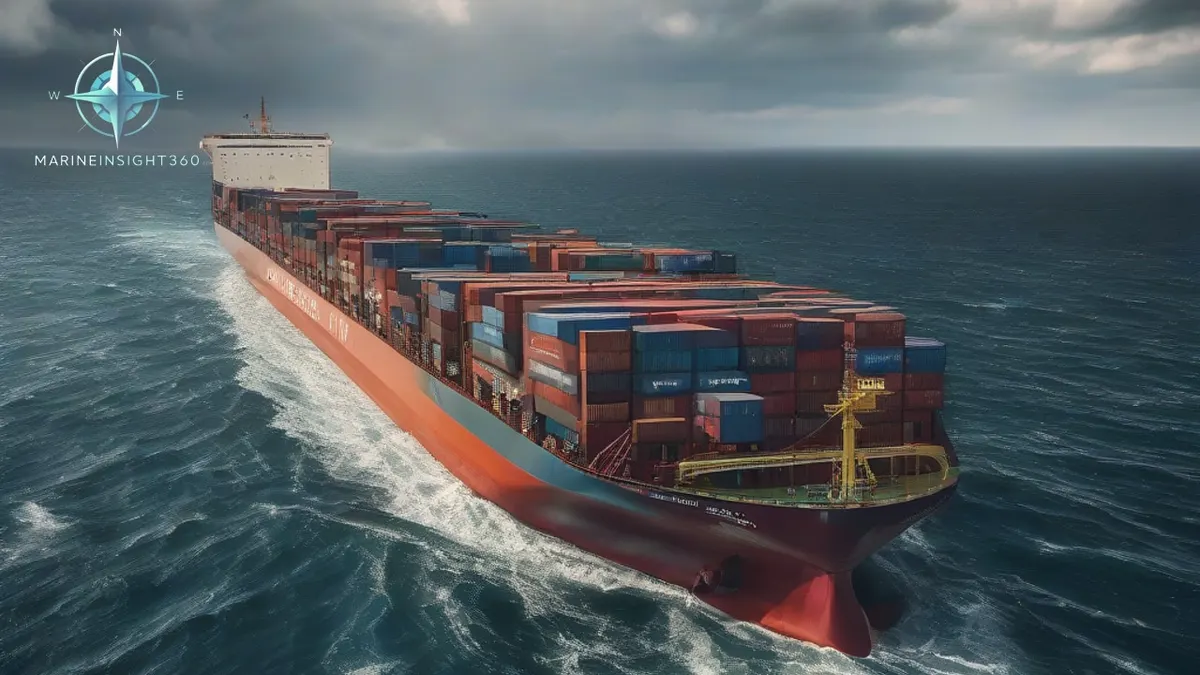
What is the Equasis Shipping Database?
Equasisis an online database that aims to facilitate the exchange of information in the shipping industry. As an integrated information system, it provides detailed information on the performance of ships, maritime agencies, and shipping companies from public and private sources.
Brief overview of Equasis
Equasis not only promotes transparency but also brings together dispersed and difficult-to-access information.
It is a non-profit organization established by the European Commission and the French Maritime Association to promote the unbiased exchange of information. It was founded in 1997 and began operations in 2000.
Since its inception, it has been committed to compiling and making maritime information freely available. Ship safety and quality data for the global merchant fleet are available online. Access to this information is simply by registering. Equasis has an international reputation and is considered the most reliable open-source source of information on the global shipping fleet.
For many years, Equasis has been providing objective and transparent information, allowing users to form their own opinions on ships and their operators. In this way, Equasis has made a significant contribution to improving maritime safety and ship quality.
The Equasis database currently contains data on more than 85,000 vessels, with all vessels in service with a gross tonnage of more than 100 GT available here. Detailed information comes from more than 50 data providers who regularly contribute data to the Equasis database.
These providers include the International Maritime Organization (IMO), the seven Port State Control Systems, the European Maritime Safety Agency (EMSA), Protection and Indemnity Clubs (P&I), classification societies, industry associations, data providers and companies that share trade-related data. EMSA is responsible for and manages the Equasis Management Unit.
Main objectives of Equasis
The main reasons for creating a systemsuch as Equasis are as follows:
- To reduce substandard shipping by providing information on shipsafety.
- To create a non-commercial system that can be used by everyone worldwide.
- To create an international database covering all global fleets.
- To seek effective cooperation between all maritime authorities worldwide.
- To collect and disseminate information on the quality and safety of the global merchant fleet on a single platform.
- To provide accurate information on shipcharacteristics and management.
- Provides information about shipping companies.
Equasis was developed and managed primarily by France and the European Commission, with financial support from the maritimeauthorities of the United Kingdom, Spain, Singapore, and Japan.
What does an Equasis record actually contain?
A search runs on IMO number, ship name or company name. The ship page opens with identity and particulars, then the history: former names, former flags and former classification societies, each with the dates they changed.
Below that sit the parties. Registered owner, ISM manager and commercial manager are listed separately, alongside the protection and indemnity club, because on a great many ships those are three or four different companies in as many countries.
The last block is inspections. Port state control results from the contributing regimes appear with the date, the port, the number of deficiencies and whether the ship was detained. That is the part most readers come for, and it is also the part with the longest lag, because the record only moves when somebody inspects the ship.
Reading a ship before you sign for it
The IMO number is why the database works at all. It is assigned to the hull for life and survives renaming, sale and reflagging, so a history that looks short under the current name reassembles as soon as the number is used instead.
Patterns tell more than single entries. A run of flag changes, a change of classification society shortly after a detention, or a registered owner that is a single ship company with no other tonnage are all visible here. None of them is illegal, and all of them describe who a seafarer or a charterer would be dealing with if something went wrong.
The limits are worth knowing as well. There are no positions here, no cargo or charter information and no wage or crewing records, and the site names the registered owner rather than whoever ultimately controls that company. A clean page means nothing has been recorded, which is not the same as nothing having happened.
Recommended Reading
Gangways and Types of Gangways Used in The Shipping World
Gangways and Types of Gangways Used in The Shipping World: ports, trade and shipping-market context for US, UK, Canada, Australia, Singapore and...
ETA and ETD in Shipping: What the Dates Mean and Why They Slip
What ETA and ETD mean in shipping, who sets the dates, why they slip, and how importers should actually read an estimated arrival against free time and fees.
DDP & DDU Shipping Terms Explained
DDP & DDU Shipping Terms Explained: ports, trade and shipping-market context for US, UK, Canada, Australia, Singapore and European maritime readers.