
World’s Biggest JackUp Vessel
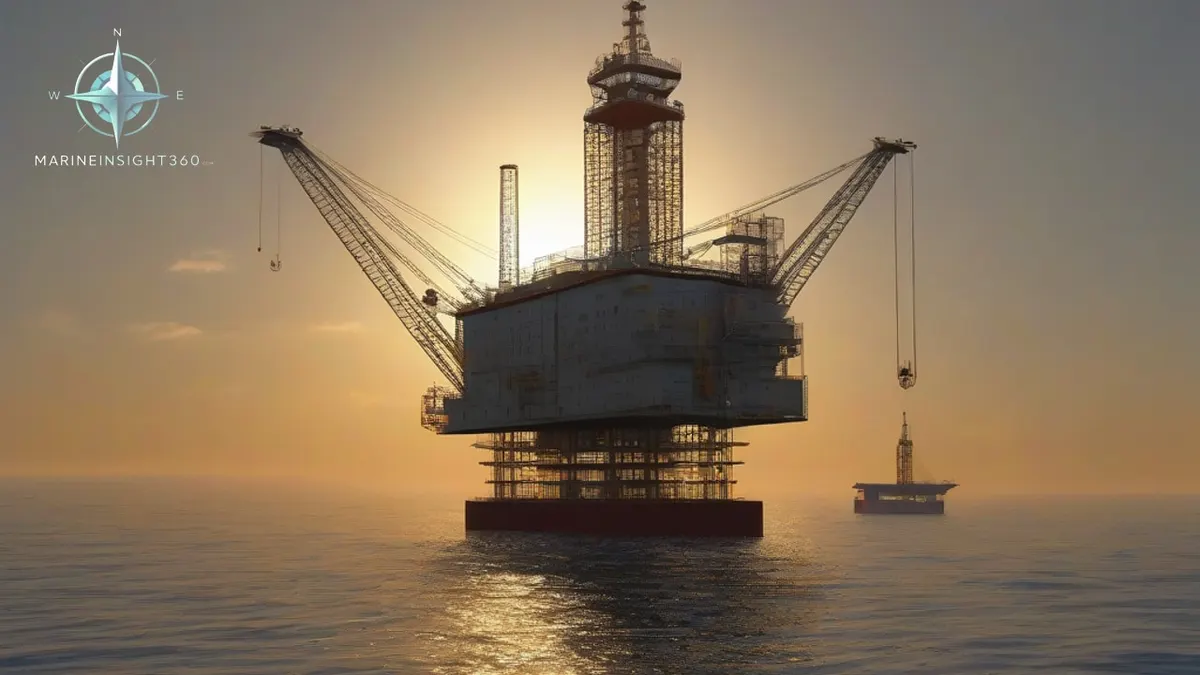
The world's biggest jackup vessel is the Voltaire, delivered to the Jan de Nul Group in 2022 and named after the Enlightenment philosopher.
Introduction to the Voltaire: A Game-Changer in Offshore Wind Installation
The world's biggest jackup vessel is the Voltaire, delivered to the Jan de Nul Group in 2022 and named after the Enlightenment philosopher. It has a lifting capacity exceeding 3,200 tons and measures 182 meters long by 60 meters wide. The Voltaire is designed to install the next generation of offshore wind turbines. Those include the turbines at the Dogger Bank wind farm. Dogger Bank will be the world's largest offshore wind farm upon completion.
The Voltaire has already installed 277 GE Renewable Energy Haliad-X offshore wind turbines. Those turbines are spread across the Dogger Bank wind farm's three phases, A, B, and C. According to the Jan de Nul Group, it is also the world's tallest liftboat. On that measure it surpasses the Eiffel Tower. The largest crane vessel is equipped with an Ottoman crane. That crane has four 130-meter-long outriggers and can lift cargoes up to 16,000 tons.
This ultra-low-emission vessel also carries an advanced exhaust gas purification system. The system reduces emissions and meets the stringent requirements of the International Maritime Organization (IMO) and the MARPOL convention.
The Voltaire can lift wind turbines up to 270 meters tall with blades up to 120 meters long. That makes it ideal for the largest and most powerful wind turbines currently in production. The vessel's design and capabilities are evidence of the innovation and expertise of the Jan de Nul Group. The group has been at the forefront of offshore wind installation and construction. The Voltaire's advanced dynamic positioning system is compliant with the International Safety Management (ISM) Code. It allows for precise maneuvering and positioning, even in harsh weather conditions.
This is critical for offshore wind installation, where the accuracy and safety of the operation are paramount.
Operational Capabilities and Safety Features
The Voltaire's deck area is spacious. It allows for the transport of multiple wind turbine components in a single voyage. That reduces the number of trips required and increases the overall efficiency of the operation. The vessel is self-propelled and equipped with an advanced dynamic positioning system. The system enables it to maintain its position and heading, even in strong winds and currents. The vessel can accommodate up to 100 crew members.
Crew accommodations are located in two compartments on either side of the vessel. That arrangement allows long cargo to be stowed along the centerline.
The Voltaire also features a helicopter deck for crew transfers and logistics. That deck is an essential safety feature for offshore operations. The vessel pairs its impressive lifting capacity and advanced positioning system with a range of safety features. These include a state-of-the-art navigation system and emergency response plans. Regular drills and training exercises for the crew belong to the same package. The vessel is designed to comply with the strictest safety standards.
Those include the standards set by the International Convention for the Safety of Life at Sea (SOLAS). The Standards of Training, Certification and Watchkeeping (STCW) convention applies as well.
The Voltaire's safety record is a top priority. The vessel is subject to regular inspections and audits that ensure compliance with all relevant regulations and standards. The Voltaire's operational capabilities and safety features make it an ideal vessel for offshore wind installation and construction projects. It can lift and transport large and heavy wind turbine components. Combined with its advanced positioning system and safety features, that makes it a valuable asset for any offshore wind project.
The vessel's ultra-low-emission design and advanced exhaust gas purification system also make it an environmentally friendly option. That is critical for the offshore wind industry. The industry is committed to reducing its carbon footprint and minimizing its impact on the environment.
Future Deployment and Projects
The Voltaire is due to enter service in 2027. It will be deployed in RWE's offshore wind projects. Those include the Thor project in Denmark and the Hollandse Coast West VII project off the coast of the Netherlands. The vessel's impressive lifting capacity and advanced positioning system make it an ideal choice for these projects. They require the installation of large and heavy wind turbines. The Voltaire can also transport multiple wind turbine components in a single voyage.
That will help to reduce the number of trips required. It increases the overall efficiency of the operation and reduces the environmental impact of the project.
The Voltaire's future deployment is a significant milestone for the offshore wind industry. That industry is expected to continue growing in the coming years. The vessel's advanced capabilities and safety features make it an important asset for the industry. Its deployment is expected to play a critical role in the successful completion of several high-profile offshore wind projects. As the offshore wind industry continues to evolve and grow, the Voltaire is likely to play an increasingly important role.
The vessel will help install the next generation of offshore wind turbines and reduce the carbon footprint of the industry.
The Voltaire combines impressive capabilities, advanced safety features and an ultra-low-emission design. That makes it a game-changer for the offshore wind industry. Its future deployment is eagerly anticipated by industry professionals and stakeholders.
Recommended Reading
Seawise Giant: World’s Biggest Ship
Seawise Giant was the longest ship ever built at 458.45 m. Struck by missiles in 1988, salvaged, renamed four times, and scrapped in India in 2010.
Typhoon Class Submarine: The Biggest Boats Ever Sent Under the Sea
The Soviet Typhoon class submarine remains the largest ever built: twin pressure hulls, 20 missile silos, and why nothing since has matched its size.
5 Biggest Oil Rigs in the World
Oil rigs, or offshore drilling rigs, are built to extract, store, and also process crude oil and natural gas from the ocean floor. These platforms come in…