
8 Ship Incinerator Problems Mariners Should Know
The eight ship incinerator problems mariners should know are burner ignition failure, low combustion temperature, excessive smoke, sludge feed faults, refractory damage, faulty sensors or interlocks, ash build-up and…
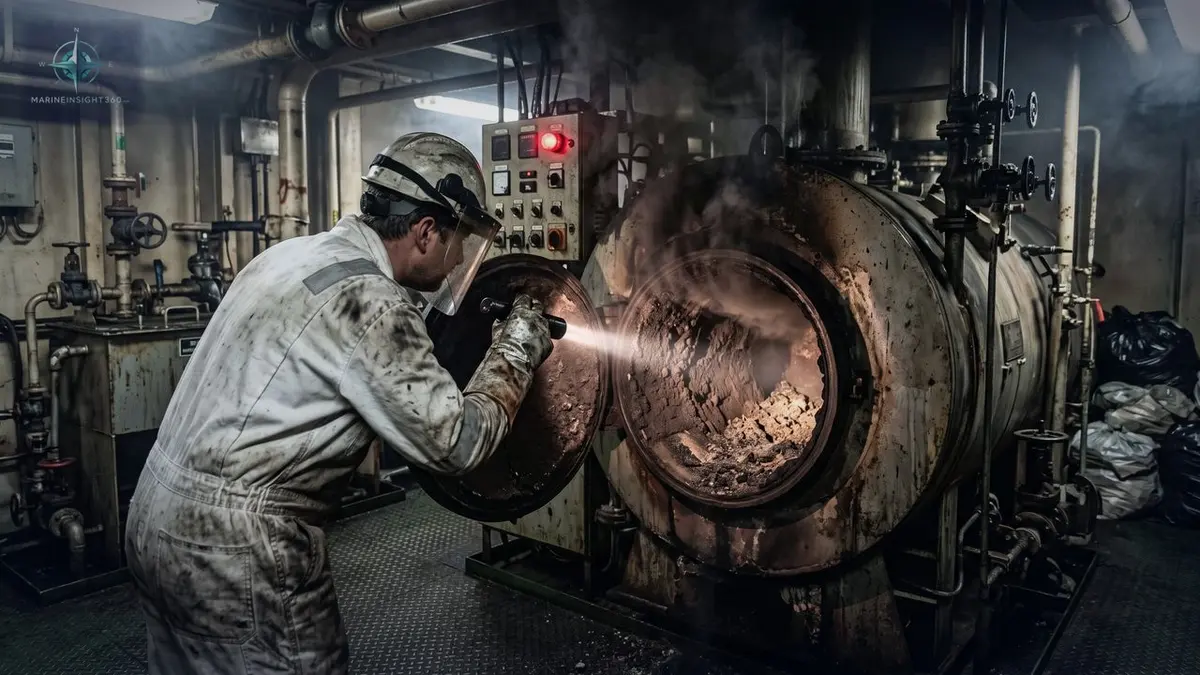
The eight ship incinerator problems mariners should know are burner ignition failure, low combustion temperature, excessive smoke, sludge feed faults, refractory damage, faulty sensors or interlocks, ash build-up and poor waste segregation.
Ship incinerator problems can affect waste handling, engine-room housekeeping and environmental compliance. A marine incinerator may look like a simple auxiliary unit, but it combines fuel, air, burners, sensors, refractory lining, controls and exhaust arrangements. When one part is neglected, combustion becomes poor and the equipment can become unsafe.
This guide covers common ship incinerator problems mariners should recognise, the likely causes behind them and the practical checks that should be handled through the vessel's planned maintenance and safety management procedures.
1. Burner ignition failure
Ignition failure is one of the most common incinerator defects. It may be caused by dirty fuel nozzles, weak spark electrodes, poor fuel atomisation, low fuel pressure, faulty solenoid valves or incorrect air settings. If the burner does not light correctly, repeated start attempts can create an unsafe fuel-rich chamber.
The safe response is to stop, ventilate according to the maker's instructions and inspect the burner system before restarting. Do not bypass flame safeguards or keep resetting alarms without finding the cause.
2. Low combustion temperature
Low furnace temperature can leave waste partly burned and may create smoke, odour and oily deposits. Causes include wet garbage, excessive sludge, poor preheating, blocked air passages, weak draft or incorrect burner adjustment. Some units also struggle when waste is fed too quickly.
Temperature readings should be checked against the operating manual. Avoid quoting a single universal temperature because different incinerators, waste types and company procedures may set different limits.
3. Excessive smoke from the exhaust
Smoke usually points to incomplete combustion. The cause may be poor air supply, overloaded waste, unsuitable material, dirty burner parts, worn refractory or incorrect damper settings. Black smoke often suggests too much fuel or too little air, while white smoke may point to moisture or low temperature.
Mariners should record the condition, reduce loading where safe, check air paths and report repeated smoke events. MARPOL-related waste handling and company procedures should always be followed.
4. Sludge feed problems
When sludge is too cold, too thick or contaminated with water, the incinerator may not maintain stable combustion. Filters, pumps, lines and heaters all affect sludge burning. A blocked strainer or unstable feed pump can make the flame pulse or fail.
Engine ratings and engineers should check sludge tank condition, heating arrangements, pump suction and line cleanliness. Any work on fuel injection or pressurised sludge lines should be handled with proper isolation and personal protective equipment.
Air and draft checks before restarting
Combustion needs enough air and stable draft. Blocked air openings, damaged fans, fouled dampers, exhaust restrictions or poor door sealing can all reduce oxygen available in the chamber. The result may be smoke, soot, unstable flame or repeated flame-failure alarms.
Before adjusting controls, check the simple items first: fan condition, damper movement, exhaust path, door gasket and any pressure or kPa readings required by the maker. If the unit uses a heat exchanger or air preheating arrangement, confirm that it is clean and not restricting flow.
5. Refractory damage
The refractory lining protects the incinerator shell from high heat. Cracks, fallen lining, hot spots or visible damage should not be ignored. Refractory failure can reduce efficiency and create a fire risk around the casing.
Minor surface cracks may be monitored depending on the manual, but broken lining, exposed shell or abnormal casing temperature should be escalated. Repairs must use suitable material and curing procedures.
6. Faulty sensors and safety interlocks
Flame scanners, thermocouples, pressure switches, door interlocks and limit switches are safety devices. If they fail, the unit may trip repeatedly or fail to detect a dangerous condition. Bypassing them to keep the incinerator running is a serious mistake.
Electrical checks should be performed by competent personnel. Sensor cleaning, cable inspection and calibration should be part of the maintenance routine where the maker requires it.
7. Ash build-up and poor cleaning
Excess ash restricts air flow and reduces chamber volume. It can also hide refractory damage. Regular cleaning helps the crew spot problems early and keeps combustion more stable.
Ash should be handled only after the unit is safely cooled and isolated. Crew should use suitable respiratory and hand protection, and dispose of residue according to the ship's waste management procedures.
8. Poor records and wrong waste segregation
Some incinerator problems begin before the unit is started. Wrong waste segregation, poor garbage records, oily rags mixed with unsuitable material and unclear handover notes can all create operating problems. The incinerator is not a shortcut for every waste stream.
Temperature trends, alarm history, waste type, sludge condition and running hours should be recorded clearly. If the chamber temperature, in degrees Celsius, is repeatedly below the normal operating range in the maker's manual, the defect needs investigation rather than another routine restart.
Common mistakes
- Repeatedly resetting trips without identifying the root cause.
- Overloading wet waste and expecting the burner to compensate.
- Bypassing flame, door or temperature safety interlocks.
- Ignoring smoke because the unit eventually completes the cycle.
Recommended Reading
Iran retaliates with missiles and drones, defying Trump’s warning
Answer: Iran’s recent launch of ballistic missiles toward Jordan and drones toward Bahrain, Kuwait and the United Arab Emirates creates an immediate…
Hapag-Lloyd Invests in APM Terminals Rotterdam to Drive Growth
Hapag‑Lloyd’s new stake in APM Terminals Rotterdam aims to expand capacity, improve hinterland links and enhance crew efficiency in Europe’s busiest port.
Saildrone Completes Missile Launch Test Aboard its Sail-Powered Surveyor
Saildrone’s autonomous vessel successfully launched a missile‑type payload, showing new possibilities for armed surveyors and implications for shipping operator