
What Are Prison Barges? How Do They Work?
A prison barge is a specialized vessel used as a correctional facility. These floating structures provide alternative or supplemental detention space,…
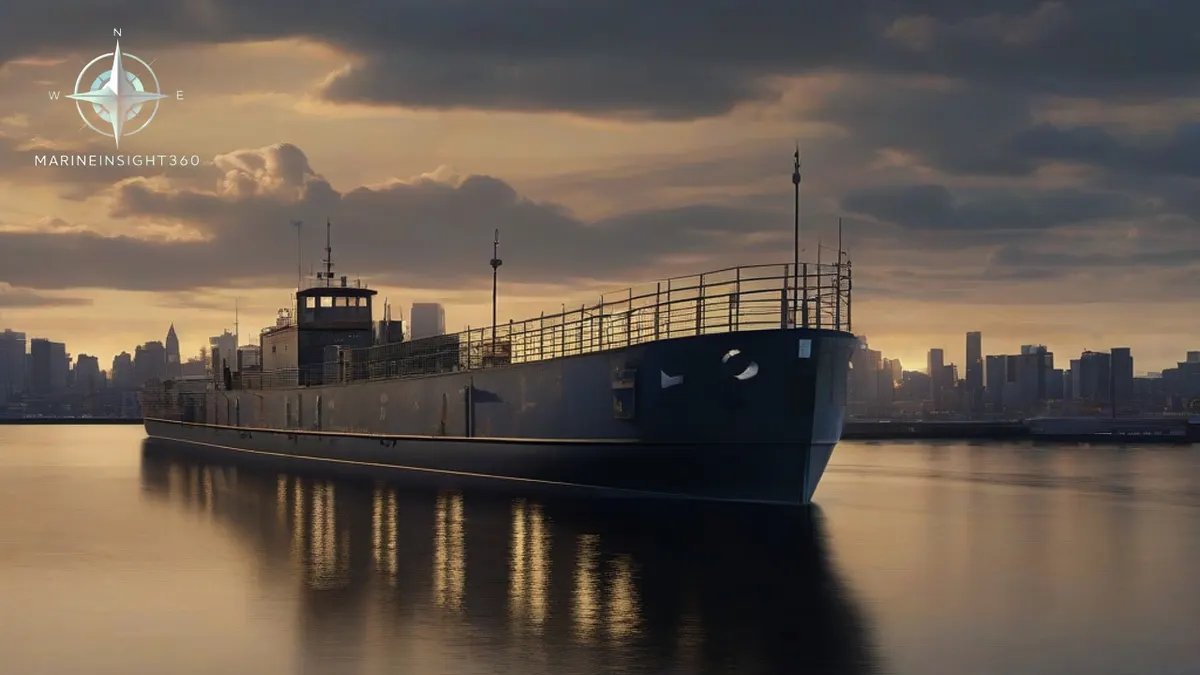
Prison barges are moored, not sailed: they are converted or purpose-built vessels that hold prisoners in cell decks behind a controlled perimeter, staffed by correctional officers alongside a small marine crew.
Learn the truth about prison barges: their structure, functions, and their role as unique offshore correctional facilities.
A prison barge is a specialized vessel used as a correctional facility. These floating structures provide alternative or supplemental detention space, often used when land-based facilities face capacity issues. The concept of using vessels for detention has historical roots and has evolved in response to various societal needs.
What is a prison barge?
A prison barge, also known as a prison ship or "junk ship," is a converted or purpose-built detention vessel, essentially a floating prison that provides a secure environment for prisoners, prisoners of war, or civilian detainees. Historically, many prison ships were "junk ships" decommissioned or unseaworthy vessels that were repurposed for detention. While some modern facilities are purpose-built, their primary function remains the same: to hold prisoners in an offshore environment. This approach enables flexible deployment and can serve as a temporary solution to meet the needs of a prison system.
How are prison barges designed and built?
Prison barge designs vary widely, ranging from converted cargo ships or naval vessels to purpose-built structures. Many historic prison barges were originally military or merchant vessels used for detention, often with their masts and propulsion systems removed. Modern examples, such as the Vernon C. Payne Correctional Center, are purpose-built facilities designed for correctional purposes.
The interior layout typically includes multiple decks housing prisoner cells or dormitories. Basic facilities, such as medical units, kitchens, and recreational areas, are also incorporated into the vessel's design. The enclosed nature of the vessel influences its structure, often with a reinforced hull and limited exterior access for enhanced security.
Operating a prison barge
Operating a correctional facility on the water presents unique logistical and security considerations. Perimeter control is crucial and typically involves physical barriers, electronic surveillance systems, and constant monitoring to prevent escape. Prisoner movement within the confined space of the barge is strictly controlled to maintain order and prevent security breaches.
- Why Seafarers Quit Their Seafaring Careers?
- Why is Merchant Navy Day celebrated?
- Why Seafarers Quit Their Seafaring Careers?
- What are the 10 Most Famous Canals in the World?
- Is the Corinth Canal Man-Made?
According to Coast Guard regulations for floating facilities, the crew consists of correctional officers and a seaman, consisting of an assistant, an engineer, and a wardrobe specialist. Logistical challenges include maintaining a continuous supply of supplies, waste management, and ensuring adequate sanitation to prevent disease. Dedicated management strategies ensure safety and security.
Common Uses and Locations
Prison barges are used around the world, often to address prison overcrowding. In the 18th and 19th centuries, Britain extensively utilized large prison ships to house convicts and prisoners of war, particularly when land-based prisons were overcrowded. These vessels also proved effective in transporting prisoners to destinations such as Australia.
In recent years, prison barges have also been used in the United States, most notably at the Vernon C. Payne Correctional Center in New York City, where they helped alleviate overcrowding at Rikers Island Prison. The United Kingdom has also deployed floating vessels, such as the HMS Little Stockholm, as a temporary measure to house asylum seekers. These applications highlight their usefulness as a flexible and temporary detention solution.
Operational context
Recommended Reading
Ro-Ro Ships: How Roll-On Roll-Off Vessels Work and Why They Dominate Vehicle Trade
How ro-ro ships work: ramps, decks and lane meters, the difference between PCTC, ConRo and RoPax types, and the stability risks unique to roll-on roll-off.
Marine Scrubbers: Types, How They Work and Where the Rules Are Tightening
How marine scrubbers strip sulfur from ship exhaust, the difference between open-loop, closed-loop and hybrid systems, and where washwater discharge is banned.
Cargo Barges: Every Major Type and What Each One Carries
The main types of cargo barges, hopper, deck, tank, crane and more, what each carries, and how tug-and-tow economics move bulk freight on inland waterways.