
Dredgers: The Ship Types That Dig Harbors, Channels and New Land
What dredgers do and how each type works: trailing suction hoppers, cutter suction dredgers, backhoes, grabs and the jobs that keep ports open to shipping.
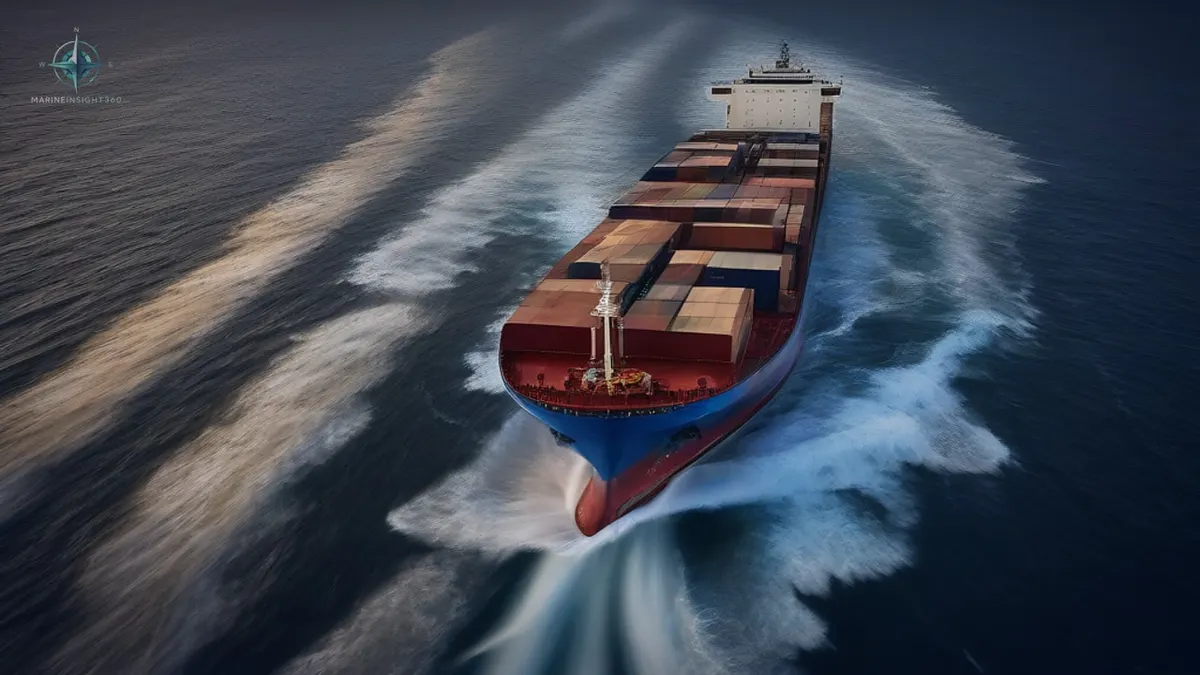
Rivers deliver silt, tides move sand, and every port sits at the end of that conveyor. Without continuous dredging, most of the world's major harbors would silt shut, which makes dredging a permanent maintenance industry rather than a one-off construction task. The ships that do it are among the most specialized afloat, and they work the same trade routes as the cargo fleet that depends on the depth they maintain.
Every dredger excavates sediment from the seabed and moves it somewhere useful.
Four questions decide which dredger turns up
How hard is the ground, how deep is the cut, where must the spoil go, and how much traffic has to keep moving while you work? Soft silt in an open channel points to a trailing suction hopper dredger. Hard clay behind a breakwater points to a cutter suction dredger or a backhoe. Contaminated mud near a city quay points to a sealed environmental grab with barges.
Getting this choice wrong is expensive, because dredger day rates rank among the highest in the maritime industry.
The work splits six ways
- Maintenance dredging: keeping declared channel and berth depths as silt returns, year after year.
- Capital dredging: cutting new channels, turning basins and berths for port projects.
- Land reclamation: pumping sand ashore to create new terminal, industrial and airport ground.
- Beach nourishment: rebuilding eroded coastlines with sand lifted offshore.
- Aggregate mining: winning sand and gravel for the concrete industry.
- Environmental dredging: lifting contaminated sediment for safe treatment ashore.
The hopper dredger can work without closing the channel
Port authorities lean on the trailing suction hopper dredger (TSHD) for routine maintenance because it works underway and carries its spoil with it, so it can maintain a busy channel without blocking traffic. The TSHD, the workhorse of deep-water dredging, sails slowly over the ground while one or two drag heads, lowered on articulated suction pipes, vacuum a sand and water mixture into the ship's own hold, called the hopper.
When the hopper is full the ship sails to the disposal or reclamation site and unloads by opening bottom doors, by rainbowing the sand through a bow nozzle, or by pumping ashore through a floating pipeline.
Hard ground has to be cut loose before it can be pumped
Where the ground is too hard to vacuum, a cutter suction dredger (CSD) grinds it loose first. Its rotating cutter head, mounted on a ladder, chews into clay, compacted sand or soft rock while pumps draw the loosened material up and push it away through a discharge pipeline, often kilometers long. A CSD typically works anchored on spud poles, swinging its cutter in arcs across the cut.
The largest CSDs are land-building machines: paired with a pipeline, one vessel can place enormous volumes exactly where a reclamation design needs them.
Mechanical dredgers turn up with a fleet behind them
- Backhoe dredgers mount a giant excavator on a spud-legged pontoon. Precise and powerful, they dig hard ground and confined corners of berths, loading spoil into barges alongside.
- Grab or clamshell dredgers lower a hinged bucket on wires, ideal for deep, small-footprint work and awkward spots around quay walls.
- Bucket-ladder dredgers , an older type, carry an endless chain of buckets; a few still work in mining and specialty jobs.
Mechanical types rarely carry their own spoil, so it moves on barges of its own: split hopper barges and tugs work alongside the dredgers, and crew boats shuttle the teams. A dredging project is always a small fleet, not a single ship.
The client pays against the survey, not the estimate
Survey launches map the bed with multibeam sonar before and after, and the invoice follows those surveys rather than anyone's estimate. Dredgers position by satellite navigation with the cut displayed live to the operator, whose screen shows the drag head or cutter against the design profile in real time, so overdredging, which wastes fuel and money, stays as rare as underdredging.
Environmental limits shape the work as much as the ground does
Contracts routinely set turbidity ceilings around the dredge, monitored in real time, and silt curtains hem in sensitive sites. Many projects run inside seasonal windows that avoid fish spawning or bird nesting periods, and contaminated spoil travels to sealed confined disposal facilities rather than open-water grounds. A water-injection dredger takes the gentlest path of all: it fluidizes the top layer of silt so a natural density current carries it away, with no lifting and no barges.
What those limits should be has no settled answer. Turbidity ceilings, silt-curtain requirements and seasonal windows are written contract by contract, negotiated between a port authority, a regulator and a contractor, and two projects in comparable water can be held to very different numbers. There is no international standard the way there is for ballast water or emissions. If you are reading a dredging tender, the environmental schedule is where the real cost sits, not the day rate.
Recommended Reading
10 of the World's Greatest Natural Harbors, and Why They Matter
What makes a natural harbor, and ten of the world's greatest: Sydney, San Francisco, New York, Rio, Halifax and more, with the geography that shelters them.

Iran retaliates with missiles and drones, defying Trump’s warning
Learn iran with practical maritime context, safety checks, operational guidance and related resources for global shipping readers.
Hapag-Lloyd Invests in APM Terminals Rotterdam to Drive Growth
Hapag‑Lloyd’s new stake in APM Terminals Rotterdam aims to expand capacity, improve hinterland links and enhance crew efficiency in Europe’s busiest port.