
Best Cable Laying Vessels in the World
Cable-laying vessels are specialized vessels that lay underwater cables on the seabed or ocean floor. These cables are used for communications, data…
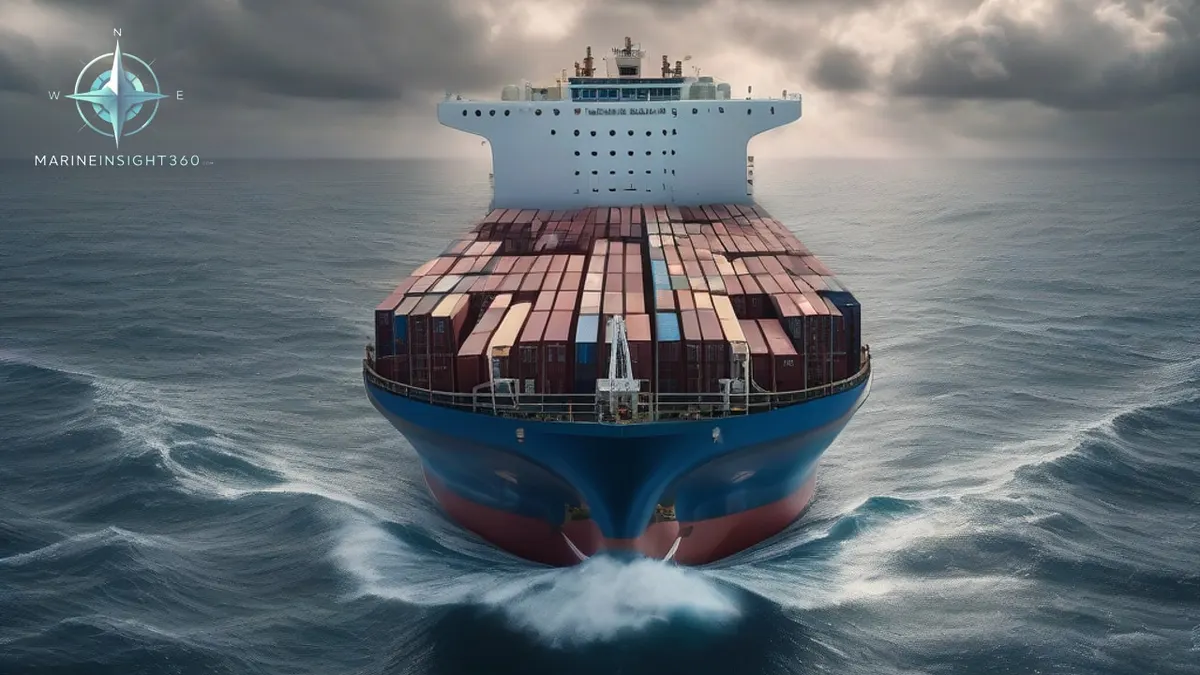
List of Top 10 Best Cable Laying Vessels in the World
Cable-laying vessels are specialized vessels that lay underwater cables on the seabed or ocean floor. These cables are used for communications, data transmission, power and even defense.
Modern cable-laying vessels are highly stable and maneuverable and are also capable of performing cable repair and maintenance work. They usually weigh around 11,000 tons and can lay two to three cable routes simultaneously. These vessels are designed to operate in harsh and challenging environments and are operated by highly trained technicians.
These vessels are equipped with specialized equipment to help them perform their tasks. You can easily distinguish cable laying vessels from other vessels by the equipment they are equipped with, such as cranes, large cable drum wheels, linear cable drives, dynamic positioning systems, and submarine cable laying ploughs.
In this article, we will discuss the top 10 best cable-laying vessels.
1. Seaway Phoenix
Sea-7’s “Phoenix” is one of the most advanced cable-laying vessels in the world. Designed to meet the needs of the offshore oil and gas industry, the Sea-Y Phoenix is able to install new cables and perform cable repairs efficiently.
The Sea-Y Phoenix was built in 2003 and flies the flag of the Isle of Man. It has an overall length of 129.9 meters, a beam of 27.8 meters, and an operating draft range of 4.8 to 8.4 meters.
The vessel has a cable loading capacity of 4,000 tons and has 58 cabins. The deck area measures 880 square meters, accommodating all machinery, a workshop, and cranes.
It is part of the Sea-Y7 fleet, which also includes two other cable-laying vessels, the Sea-Y Emery and the Sea-Y Moxey. The company is part of the Subsea 7 Group and is involved in numerous offshore wind farm projects. Additionally, the company offers management, manufacturing, turbine installation, and equipment transportation services. The company also has six transfer vessels, two heavy lift vessels ,and an installation vessel.
2. Nexans Aurora
This DP3 vesselis designed for laying HVAC and HVAC cables, laying, repairing and protecting cable bundles, and trenching in deepwater and nearshore environments. The vessel is designed to operate in harsh conditions and is highly maneuverable.
Nexans Offshore Operations owns the Aurora, which was built by Ulstein Werft in 2021. With a length of 149.9 meters and a width of 31 meters, the Aurora is ideal for subsea construction. The vessel can comfortably accommodate 90 people.
With a deadweight of 17,000 tons and a maximum speed of 14 knots, the vessel can carry 10,000 tons of cable and is equipped with a 450-ton fiber optic tank.
The Nexans Aurora is equipped to install high-voltage submarine cables to connect offshore wind farms to power lines.
The vessel is equipped with special equipment to ensure safe transportation and correct installation of cables.
The vessel is designed with a focus on sustainability, utilizing barrier technology and biodegradable lubricants to minimize its carbon footprint.
3. Leonardo da Vinci
The Fard Group built this $170 million ship for Prysmian. Its previous cable carrying capacity was only 7,000 tons, while this ship has a carrying capacity of 17,000 tons.
The Leonardo da Vinci is 170 meters long and 34 meters wide, and can install cables in waters deeper than 3,000 meters. This advanced and efficient ship can simultaneously complete cable laying and burying work, thereby accelerating project completion.
The ship is equipped with a nitrogen oxide reduction system, environmentally friendly engines, and a dynamic positioning system, and has laid about 600 kilometers of Prysmian cables.
With a traction force of over 180 tonnes and two laying cables, the vessel can perform complex installation tasks using a wide range of burial equipment.
The vessel can reach speeds of over 16 knots and is equipped with batteries for use when high power is required, reducing fuel consumption.
The vesselis primarily used for offshore wind farms and substations, but is also suitable for complex, long-distance projects with large spans, such as laying underwater power cables that connect islands to the mainland.
4. NKT Victoria
NKT Victoria is a cable installation vessel designed to provide flexibility to projects while minimizing the associated risks.
It is equipped with advanced onboard systems to ensure safety and optimal execution of tasks with the highest precision. To achieve this, NKT Victoria operates remotely operated vehicles equipped with sonar systems and cameras.
This 140-meter cable-laying vessel produces 55% less CO2 emissions than other large cable-laying vessels and 80% less NOx emissions than similar vessels.
It can transport 11,000 tons of high-voltage cables and is equipped with a 500-ton fiber optic tank below deck. NKT Victoria can lay high-voltage direct current (HVDC) cable systems and heating, ventilation, and air conditioning (HVAC) systems in the subsea area.
5. Maersk Connector
This submarine cable-laying vessel is designed for the installation of DP2 cables. It serves the renewable energy sector and can easily solve interconnection problems.
Maersk Connector is 138.35 meters long, 27.45 meters wide, and 9.6 meters deep. The deadweight tonnage is 9,317 tons, and the gross tonnage is 10,510 tons.
The vessel features a seven-point anchoring system that allows it to lay cables directly on the sea surface, reducing the number of connections required.
It can lay two cables simultaneously, even in shallow waters. It is also equipped with an efficient remotely operated vehicle (ROV), a 50-ton offshore crane, and a helipad. The vessel can accommodate up to 90 people.
6. Living Stone
Living Stone is one of the world's largest submarinecable-laying vessels, measuring 161 meters in overall length and 32 meters in beam. It has a deadweight of approximately 13,000 tons and a draft of 6.5 meters.
This multi-purpose vessel is capable of not only laying cables, but also of offshore transport, trenching, and rock laying.
Lanaval built the vessel for the marine construction company DEME. After launching in 2016, the vessel was deployed to the world's largest offshore wind farm, Hornsea One, and completed cable laying in 2018.
The vessel is designed to be environmentally friendly, using biodegradable fuels and wind turbines, which reduce fuel consumption and emissions of carbon dioxide, nitrogen oxides, and sulfur.
The vessel also has a helipad and can accommodate about 100 people in 24 double cabins and 52 single cabins. Its double-decker main deck area is 3,600 square meters and the moon pool is 7.9 meters long.
Livingstone is equipped with a 600-ton crane for the installation and removal of subsea structures and has a Kongsberg K-POS DP3 dynamic positioning system. The vessel can reach a maximum speed of 14 knots.
7. Isaac Newton
The vessel is one of the most advanced and largest cable-laying vessels, capable of performing a variety of cable-laying operations. The Isaac Newton was ordered in 2013 and delivered to Jan De Nul Group in 2015 by the Croatian Ujlanic Brodogradelist shipyard.
The vessel can lay pipelines, install underwater cables, and unload rocks from the seafloor to protect submarine cables.
It also has trenching capabilities and can be used as an offshore support vessel. It can also perform seafloor rock stabilization operations.
The vessel is 138 meters long, 32 meters wide, and has a deadweight of 13,436 tons. It currently flies the Luxembourg flag.
It can easily carry and install more than 10,000 tons of cable in a single voyage. The vessel is equipped with two rotors, the largest of which has a carrying capacity of 7,400 tons. This allows it to install longer cables with fewer connections.
8. CS Global Sentinel
This cable-laying vessel is 145.66 meters long, 21.6 meters wide, and sails under the US flag. The ship was built by Singapore's Far East Shipbuilding in 1991 for Transoceanic Cable Ship. The Global Sentinel has two sister ships, the CS Global Link and the CS Global Mariner.
In 1997, the ship was acquired by Tyco SubmarineSystems and stationed in its home port of Baltimore, where it was responsible for cable repair work in the Atlantic.
During its service, the ship has operated in many challenging environments, including Turkey, Saudi Arabia, South Korea, and Cyprus, among others.
The ship uses a diesel-electric propulsion system with three Wärtsilä engines, three generators, and four thrusters. The Global Sentinel can sail continuously for up to two months and can accommodate 138 passengers.
The ship has a deadweight of 8,527 tons and is equipped with a remotely operated vehicle (ROV) and a cable laying dredger.
9. CS Fu Hai
This versatile cable-laying vessel can perform subsea installation operations in most conditions. It has a rich experience of successful projects in the oil and gas, power and telecommunications sectors.
It is a member of the SB Submarine Systems (SBSS) fleet. SBSS provides offshore services in Asia, including the installation and maintenance of submarine cables. It serves the power cable, fiber optic, telecommunications, oil and gas, and renewable energy markets.
This DP-2 vessel is equipped with a 60-ton A-frame and has a maximum cable lifting capacity of 5,700 tons. It has a high bollard pull of 110 tons, an HP-1500 tiller, and onboard remote control. The endurance is up to 45 days.
The vessel was built in 2000 by Volkswagen Shipbuilding Co., Ltd. in Stralsund and currently sails under the Panamanian flag.
The Fu Hai is 105.8 meters long, with a gross tonnage of 6,303, and is equipped with two cable compartments, each with a capacity of 2,600 tons, which can accommodate 68 people. The Fu Hai is equipped with two rescue boats and 10 life rafts.
10. Resolute
This cable-laying vessel is 139.1 meters long, 21 meters wide, and has a cruising speed of 14 knots; it currently flies the flag of the Marshall Islands.
The ship was built in 2002 at Keppel Shipyard in Singapore, with a gross tonnage of 12,184 tons and a deadweight of 10,277 tons.
The Resolute is homeported in Majuro and is equipped with five diesel engines. Its cable-laying capacity is about 5,465 metric tons.
The ship is equipped with a cable-laying dredger and a dynamic positioning system, including a VSAT communications satellite. It is also equipped with a remotely operated vehicle (ROV). Since the superstructure lacks a rudder, it offers 360-degree maneuverability.
In addition to laying new cables, the vessel is also capable of performing complex cable repair tasks in harsh environments.
Conclusion
Cable-laying vessels play a vital role in the installation and maintenance of communication networks covering all continents.
As the demand for faster global connectivity has grown over the past decade, so has the demand for cable-laying vessels.
Today, these vessels are utilized for a variety of purposes across various sectors, including transporting energy to oil and gas platforms, transmitting electricity from offshore wind farms to power plants, and connecting islands to the mainland.
Submarine cables carry 90% of the world's data. Laid in deep-sea environments, these cables have many advantages over land cables, whose length and service life are limited by natural factors such as storms, rain, and snow.
As the marine industry strives for sustainable development, many companies are developing cost-effective, environmentally friendly, high-capacity cables that reduce emissions.
Recommended Reading
The 10 Best Waterproof Sailing Jackets
The 10 Best Waterproof Sailing Jackets: ports, trade and shipping-market context for US, UK, Canada, Australia, Singapore and European maritime readers.
Best Submarine Movies of All Time
Submarines are essentially the movie set of thrillers: dim red lights on the bridge, reflective surfaces dripping with water. Above all, submarines are…
10 Best Sundial Compasses You Can Buy Right Now
10 Best Sundial Compasses You Can Buy Right Now: safety, training and compliance context for US, UK, Canada, Australia, Singapore and European maritime...