
The Britannic Wreck: Titanic's Bigger Sister on the Aegean Seafloor
The Britannic wreck is the largest intact ocean liner on the seafloor. How Titanic's sister became a hospital ship, hit a mine in 1916, and what divers find.
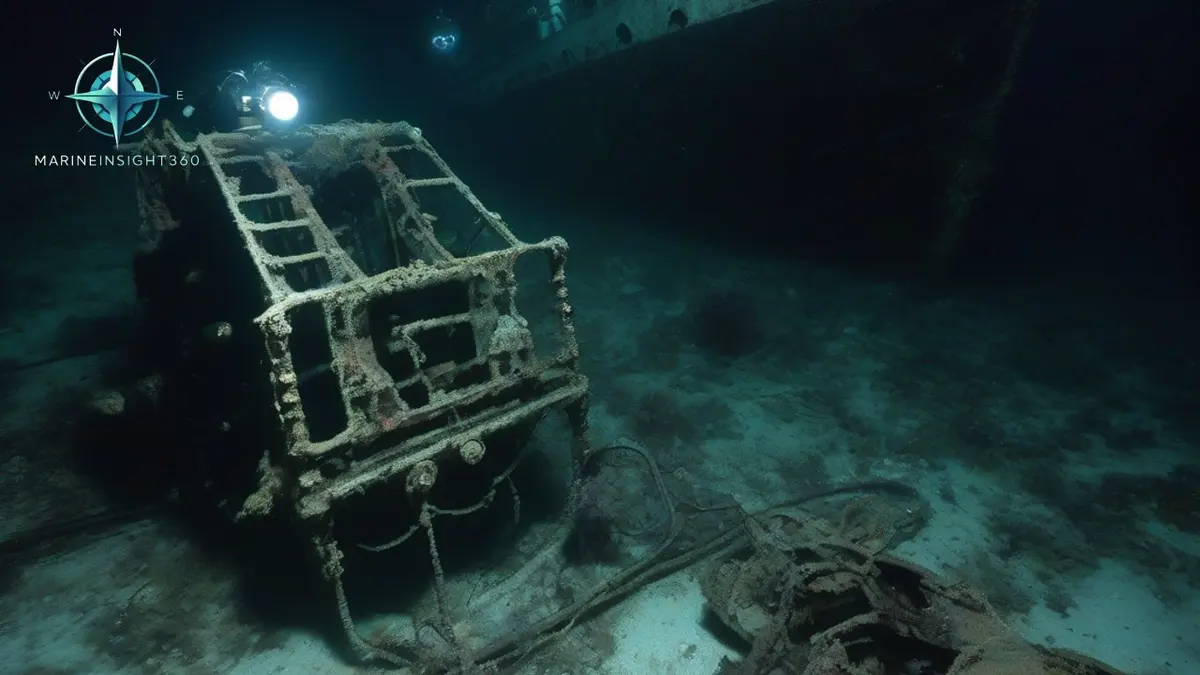
The Britannic wreck lies on its side in about 120 meters of water in Greece's Kea Channel, and it is the largest intact ocean liner on any seabed. She was the third and biggest of the Olympic-class sisters, after Olympic and Titanic, and she sank faster than Titanic did: fifty-five minutes from explosion to gone.
The strange mercy of her story is the casualty count. Where Titanic took around 1,500 lives, Britannic took 30 of the 1,066 people aboard, a difference that comes down to warm water, nearby shores, and lessons already paid for.
The Sister Built After the Lesson
Britannic was still under construction in Belfast when Titanic sank in 1912, so the White Star Line rebuilt her on the drawing board: a double hull along the machinery spaces, watertight bulkheads raised higher, and giant gantry davits designed to launch lifeboats from either side. She was to be the safest liner afloat and, at just over 48,000 gross tons, the largest British-built ship of her day. She never carried a paying passenger.
The First World War arrived first, and in 1915 the Admiralty requisitioned her as His Majesty's Hospital Ship Britannic, painted white with a green band and red crosses, ferrying wounded from the Mediterranean campaigns back toward the United Kingdom.
21 November 1916: Fifty-Five Minutes
Steaming through the Kea Channel toward Gallipoli's evacuation routes, she was rocked by an explosion forward on the starboard side, almost certainly a mine laid weeks earlier by the German submarine U-73. Flooding outran the improved bulkheads for an avoidable reason: portholes had been opened to air the wards, and as the bow dipped, the sea poured through them deck by deck. The worst moment came when two lifeboats launched without orders drifted into the still-turning propellers.
Nearly all of the thirty deaths happened there. The rest of the evacuation worked, Greek fishermen and Royal Navy ships gathered survivors within hours, and among them was nurse Violet Jessop, who had already survived Titanic and would become the sisters' most famous survivor.
The Wreck as Divers Find It
Jacques Cousteau located the wreck in 1975. She rests on her starboard side, remarkably whole, her bow crumpled from striking the bottom while her stern still swam. Portholes, davits, and the great propellers are all present, and the white hospital paint has given way to a century of marine growth. The wreck lies in Greek waters, is protected as a war grave, and has been privately owned since 1996 by historian Simon Mills, a unique arrangement among the great liners.
Expeditions require permits from the Greek state.
Diving Her, and the Cost
At 120 meters, this is trimix territory, a technical dive with hours of decompression, and only well-funded expeditions attempt penetration. The wreck has taken lives in modern times too, including British expedition diver Carl Spencer in 2009. For everyone else, documentaries and survey imagery keep improving, and the ship gives up her details to sonar and robots rather than lungs.
Quick Answers
- Why did she sink faster than Titanic? A mine's blast damage plus open portholes along the lower wards let flooding spread past the improved bulkheads; the iceberg wound flooded fewer spaces more slowly.
- How many people died? Thirty of 1,066 aboard, most of them in the two lifeboats drawn into the turning propellers.
- Where does she lie? In the Kea Channel, Greece, at about 120 meters, resting on her starboard side.
- Who owns her? Historian Simon Mills has owned the hull privately since 1996, while Greek law and war-grave status govern all diving.
- Did anyone survive all three sisters' accidents? Nurse Violet Jessop survived Olympic's collision, Titanic's sinking and this loss too, the most famous crew story of the class.
The comparison with her sister will always frame her, but the ship deserves her own reading: the safest liner of her generation, killed by a weapon her designers never planned for, with a rescue that showed how much the lessons of 1912 had actually taught. That is a different story from Titanic's, and in some ways a more hopeful one.
What to do next
The family story continues in these guides:
Recommended Reading
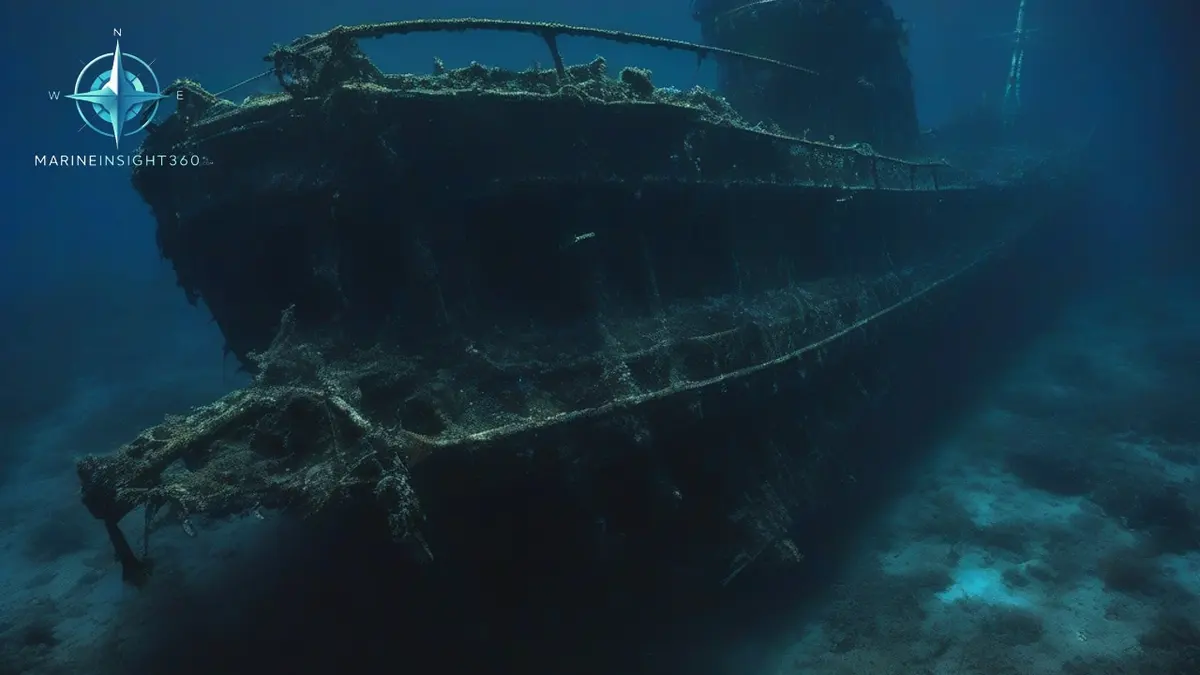
HMS Hood: The Mighty Hood, Her Three Minutes, and the Wreck Two Miles Down
HMS Hood was the Royal Navy's pride for twenty years, lost to Bismarck in minutes in 1941 with 1,415 men. Her story, the battle, and the wreck found in 2001.
Do You Know About The Titanic Real Story?
Before the Titanic was launched on April 10, 1912, excitement was in the air. The new ship was the largest artificial moving object in the world. It had…
What are 10 Facts About the Titanic?
What are 10 Facts About the Titanic?: shipboard and port-operations context for US, UK, Canada, Australia, Singapore and European maritime readers.