
HMS Hood: The Mighty Hood, Her Three Minutes, and the Wreck Two Miles Down
HMS Hood was the Royal Navy's pride for twenty years, lost to Bismarck in minutes in 1941 with 1,415 men. Her story, the battle, and the wreck found in 2001.
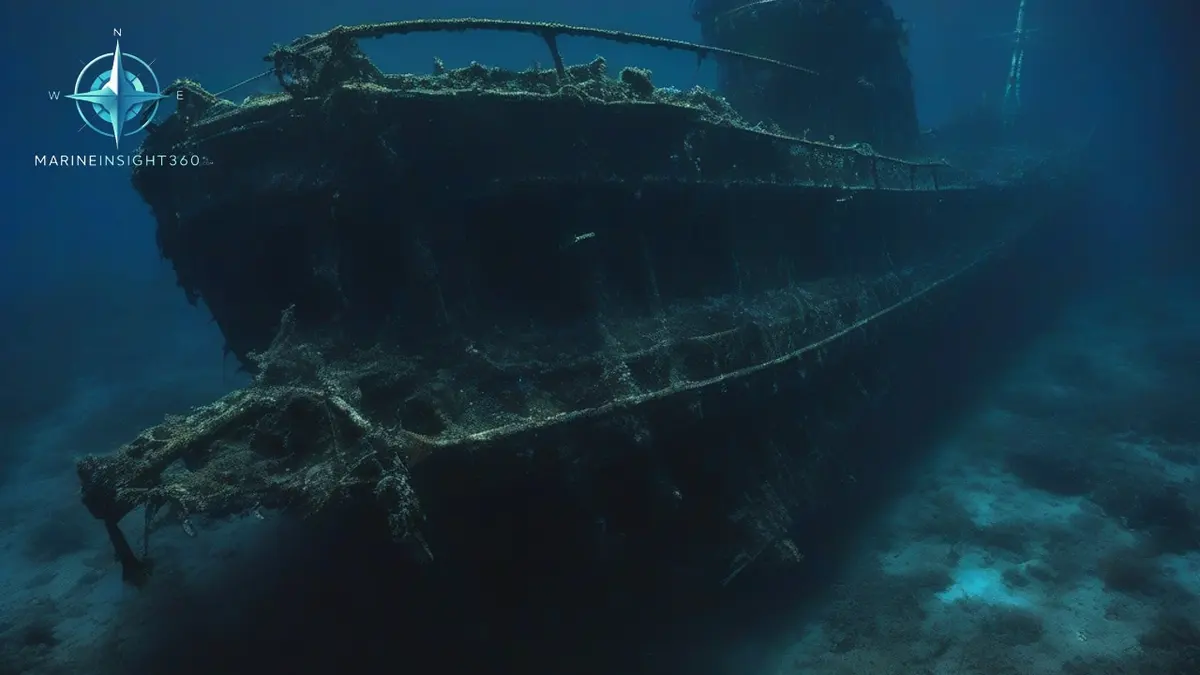
HMS Hood is the Royal Navy battlecruiser sunk by Bismarck in the Denmark Strait on 24 May 1941, with three survivors of 1,418 men, and her wreck lies about 2,800 meters down as a protected war grave.
HMS Hood was the Royal Navy battlecruiser that served as the face of British sea power between the world wars, and her destruction on 24 May 1941 remains the Royal Navy's worst single-ship disaster. She blew up under Bismarck's guns in the Denmark Strait and sank in about three minutes. Of 1,418 men aboard, three survived.
For the United Kingdom, the loss was more than naval arithmetic. The Mighty Hood had spent two decades showing the flag around the world as the largest warship afloat, and her sudden erasure shocked the public in a way few single events of the war matched.
The Ship Behind the Legend
Completed in 1920, the vessel stretched 262 meters and displaced over 46,000 tonnes, carrying eight 15-inch guns at a speed of 31 knots. That combination, battleship guns on a greyhound's hull, defined the battlecruiser idea: outgun anything you cannot outrun. The compromise was armor. Her deck protection against plunging, long-range shellfire was known to be thin, and a planned major rebuild to fix it kept being postponed because the interwar fleet could not spare its flagship.
The 1920s world cruise of the Special Service Squadron made her the most famous warship on earth; the deferred refit made her vulnerable.
The Denmark Strait, 24 May 1941
When the German battleship Bismarck broke into the Atlantic with the cruiser Prinz Eugen, the flagship and the brand-new HMS Prince of Wales intercepted them between Iceland and Greenland. The action lasted minutes. A salvo from Bismarck straddled the British flagship, a shell reached an aft magazine, and over a hundred tonnes of cordite exploded, tearing the ship in two.
Boatswain's mate Ted Briggs, Able Seaman Bob Tilburn and Midshipman William Dundas came out of the water alive; 1,415 shipmates did not. The Royal Navy then threw everything it had at the pursuit, and Bismarck was sunk three days later, on 27 May 1941.
Why She Exploded
Two boards of inquiry settled on a plunging shell reaching the 4-inch or 15-inch magazines aft, with the thin deck armor as the enabling weakness. Later analysis has refined but not overturned that verdict. The deeper cause was institutional: a 1916-designed ship fighting a 1941 battle without the reconstruction her contemporaries received. Her sisters in vulnerability at Jutland had taught the same lesson a war earlier.
The Wreck, Found in 2001
Shipwreck hunter David Mearns located the wreck in July 2001, about 2,800 meters down in the Denmark Strait. The ship lies in pieces, the stern and bow separated from a devastated midships area, confirming the magazine explosion's violence. The site is a designated war grave under the United Kingdom's Protection of Military Remains Act, and nothing may be disturbed.
One exception was made with government blessing: the ship's bell was recovered in 2015 and now stands in the National Museum of the Royal Navy in Portsmouth as the memorial to her company.
Quick Answers
- How many men survived? Three of 1,418: Ted Briggs, Bob Tilburn and William Dundas, picked up by the destroyer HMS Electra.
- Where exactly did she sink? In the Denmark Strait between Iceland and Greenland, where the wreck lies about 2,800 meters down.
- How big was she? About 262 meters long and over 46,000 tonnes at deep load, the largest warship in the world for the first twenty years of her life.
- Was she a battleship? Formally a battlecruiser: battleship guns on a faster, more lightly armored hull.
- Who found the wreck? Shipwreck hunter David Mearns in July 2001, during an expedition that also surveyed Bismarck.
- Can the wreck be visited? It is a protected war grave under United Kingdom law; expeditions have filmed it, but nothing may be recovered without government consent.
The legacy runs deeper than one battle. The loss ended the battlecruiser idea in the Royal Navy, hardened the fleet's obsession with magazine protection, and turned the pursuit of Bismarck into a national reckoning. Briggs, the last survivor, spent his later life telling the story so the ship's company would not become a statistic; he died in 2008. Few warships are remembered more for three minutes than for twenty years of service; this one carries both with her name.
What to do next
The story continues in these guides:
Recommended Reading
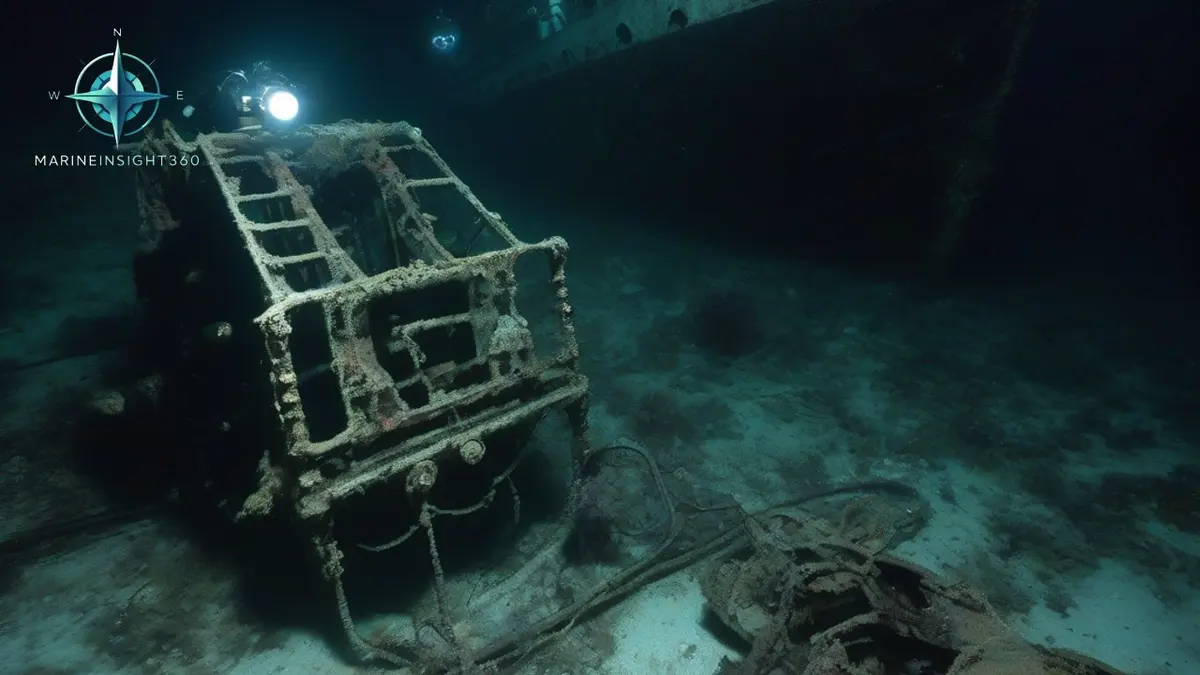
The Britannic Wreck: Titanic's Bigger Sister on the Aegean Seafloor
The Britannic wreck is the largest intact ocean liner on the seafloor. How Titanic's sister became a hospital ship, hit a mine in 1916, and what divers find.
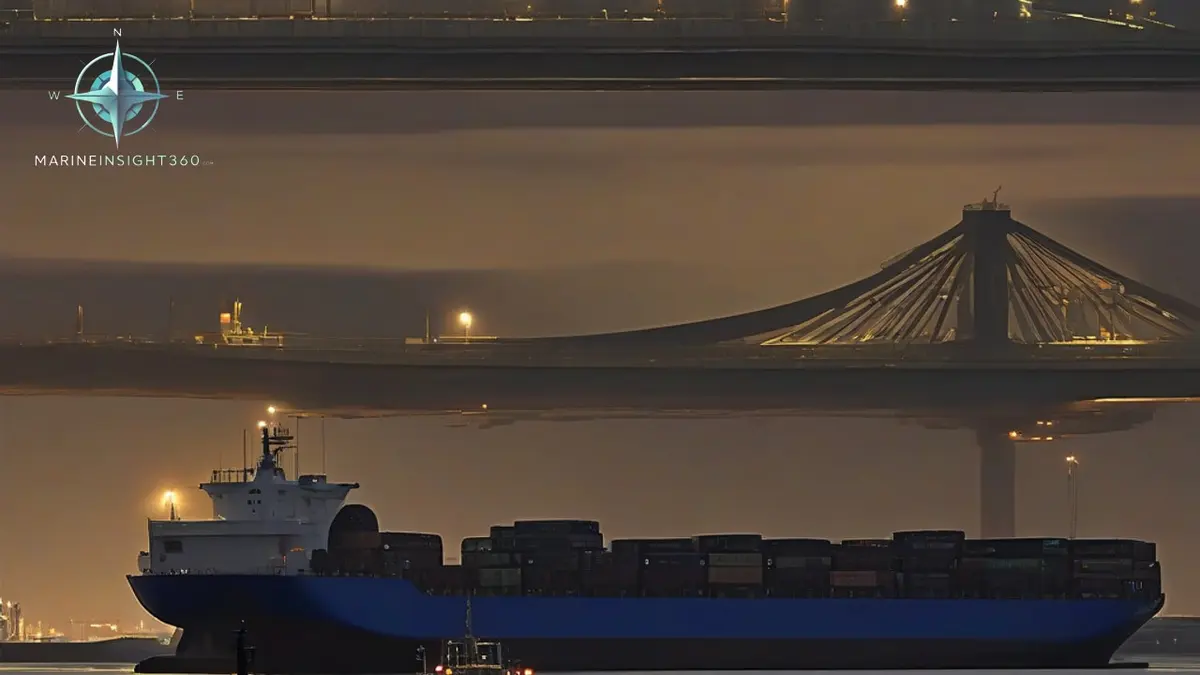
The Dali: The Ship That Brought Down Baltimore's Key Bridge
What the container ship Dali is, how a loose signal wire blacked her out into Baltimore's Key Bridge, what the NTSB found, and where the case stands now.
Why Ship Generators Shut Down Immediately?
Why Ship Generators Shut Down Immediately?: technology, equipment and fleet context for US, UK, Canada, Australia, Singapore and European maritime readers.