
Did Any Titanic Survivors Tell Their Story?
The memory of the sinking of the Titanic will never go away. The British liner that sank on her maiden voyage set sail on April 10, 1912. With…
Yes, Titanic survivors told their story, and the accounts of Margaret Brown, Eva Hart and Violet Jessop are among the best known of the roughly 700 people rescued from the sinking.
More than a century later, the sinking of the Titanic is still the best-known shipwreck in history. The British liner left Southampton on her maiden voyage on April 10, 1912, with about 2,200 people on board. Late on the night of Sunday, April 14, she struck an iceberg in the North Atlantic, and she sank in the early hours of April 15. More than 1,500 of her passengers and crew died, which answers the question of how many people died on the Titanic. RMS Titanic was the largest and most luxurious ship of her day, and many people believed she was unsinkable. Among the dead were many well-known figures: the naval architect Thomas Andrews, the businessman Benjamin Guggenheim, Isidor and Ida Straus, co-owners of Macy's department store, and John Jacob Astor IV, the richest passenger on board. Astor's young wife Madeleine, who was pregnant, survived.
The belief that she could not sink was proved wrong when the iceberg opened up several of her forward watertight compartments, more than she could survive flooding. The story has been told many times in books and films, but none of them can fully capture what the people on board went through that night. Survival depended heavily on class: about six in ten first-class passengers survived, compared with roughly a quarter of those in third class.
Letter from a Victim
Interest in the Titanic has never faded. In 2017 a letter written on board by one of the victims, Alexander Oskar Holverson, to his mother sold for £126,000 at auction in England, a record for a letter from the ship. Written a few days before the sinking, it describes life aboard the most luxurious liner of the time and is one of the last known letters sent by a passenger.
Survival Story
The other half of the story belongs to the roughly 700 people who survived. People who want to know how cold the water was when the Titanic sank, or what happened in the lifeboats, still turn to the survivors' accounts more than 100 years later. Many survivors spent the rest of their lives telling what they saw, and their memories are the main record of what happened on the ship's last night.
Remind The World
The stories of the people who survived in the freezing Atlantic, and of their lives afterwards, have filled hundreds of books. Their first-hand accounts still matter because they describe, from the inside, one of the deadliest peacetime disasters at sea. There is no room here for all of them, so below are some of the best-known survivors.
Crew Member Charles Joffin's Story
One of the strangest survival stories is that of Charles Joughin, the Titanic's chief baker. After the collision he helped load women and children into the boats and threw deck chairs over the side as makeshift floats. He also drank whisky as the ship went down, a scene shown in the films A Night to Remember and Titanic. He was assigned to a lifeboat but stayed on board, and he said he rode the stern down as the ship sank, stepping into the water without getting his head wet.
He then spent about two hours in the icy water, clinging to the side of an overturned collapsible boat, before he was taken into a lifeboat. Joughin himself thought the whisky helped him survive, although alcohol actually speeds up heat loss in cold water, so he was more likely saved by his own toughness and luck. He lived another 44 years and died in Paterson, New Jersey, in 1956, aged 78.
The Unsinkable Molly Brown
Margaret Brown was an American philanthropist whose story as a Titanic survivor is remembered for courage. Known to friends as Maggie, she is best known as "Molly," the name later used in stage and screen versions of her life. In Lifeboat 6 she urged the crew to go back and look for more survivors and helped row. The nickname "The Unsinkable Molly Brown" came after her death.
She is remembered as much for her work for the poorer survivors as for her own survival, and for her relief work in France during World War I.
While still aboard the rescue ship Carpathia, before it reached New York, she helped organise a survivors' committee that raised nearly $10,000 for needy survivors. Her life inspired the 1960 Broadway musical The Unsinkable Molly Brown and the 1964 film of the same name. Margaret Brown died of a brain tumour on October 26, 1932, at the Barbizon Hotel in New York City.
Youngest Survivor - Eva Hart
Eva Miriam Hart was one of the younger survivors of the sinking. She was seven years old and travelling with her parents. When the ship struck the iceberg, her father put Eva and her mother into Lifeboat 14. He did not survive, and his body was never recovered. The Carpathia picked up Eva and her mother. Eva later worked in Australia as a singer, and back in Britain as a Conservative Party organiser and a magistrate.
She was one of the most outspoken survivors, criticising the lack of lifeboats on the ship, and she opposed salvaging items from the wreck, saying it was a grave and should be treated as one.
Film Actress: Dorothy Gibson
Dorothy Gibson was an American silent film actress and singer, best known today as a Titanic survivor. She was travelling with her mother, and the two of them got away in Lifeboat 7, the first lifeboat launched. The boat began taking in water through its drain hole, and the leak was stopped with passengers' clothing.
Back in New York, Gibson co-wrote and starred in Saved from the Titanic, a film about the disaster released less than a month after the sinking.
She was 22 years old, and in the film she wore the same clothes she had worn the night the ship went down, reliving the experience on camera. Soon after the film came out, she gave up acting. Dorothy Gibson died in Paris on February 17, 1946, at the age of 56.
Millvina Dean
The last survivor of the Titanic was Elizabeth Gladys "Millvina" Dean, who worked as a civil servant and drew maps for the British government during the Second World War. Millvina Dean was the youngest passenger on board and the last survivor to die. She was only nine weeks old when she sailed with her parents and her older brother, who were emigrating to the United States. Family accounts say she was lowered into a lifeboat in a mailbag. Her father died in the sinking and his body was never recovered, and her mother took the children back to England, where Millvina spent most of her life in Hampshire until her death in 2009, aged 97.
Violet Jessop
Violet Jessop was a stewardess on the Titanic. After the collision she was sent up on deck to help passengers, including those who spoke no English, and set an example by getting into Lifeboat 16 calmly. An officer handed her a baby to look after, and on board the Carpathia a woman, believed to be the baby's mother, took the child back without a word. Jessop had already survived the Olympic's collision with the cruiser HMS Hawke in 1911, and in 1916 she survived the sinking of the Titanic's sister ship Britannic while serving as a wartime nurse. Those escapes earned her the nickname "Miss Unsinkable." She went on working at sea on White Star Line ships and others until she retired in 1950.
Recommended Reading
Do You Know About The Titanic Real Story?
Before the Titanic was launched on April 10, 1912, excitement was in the air. The new ship was the largest artificial moving object in the world. It had…
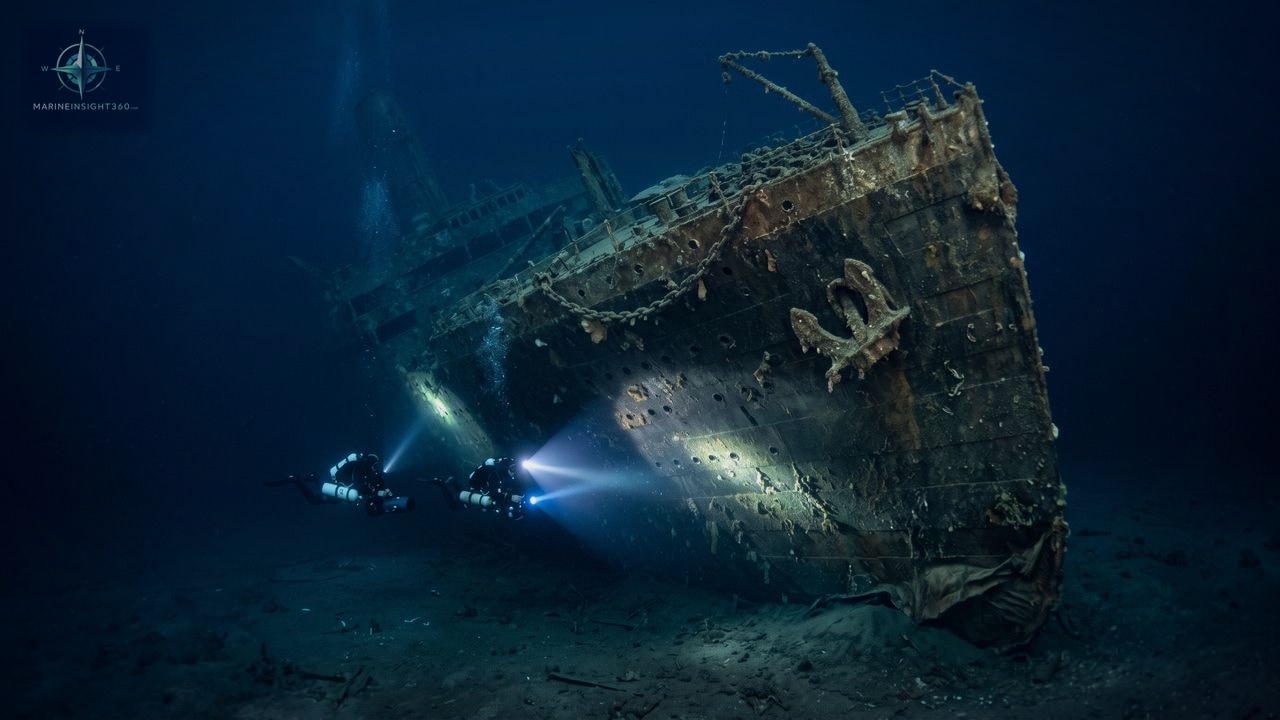
The Britannic Wreck: Titanic's Bigger Sister on the Aegean Seafloor
The Britannic wreck is the largest intact ocean liner on the seafloor. How Titanic's sister became a hospital ship, hit a mine in 1916, and what divers find.
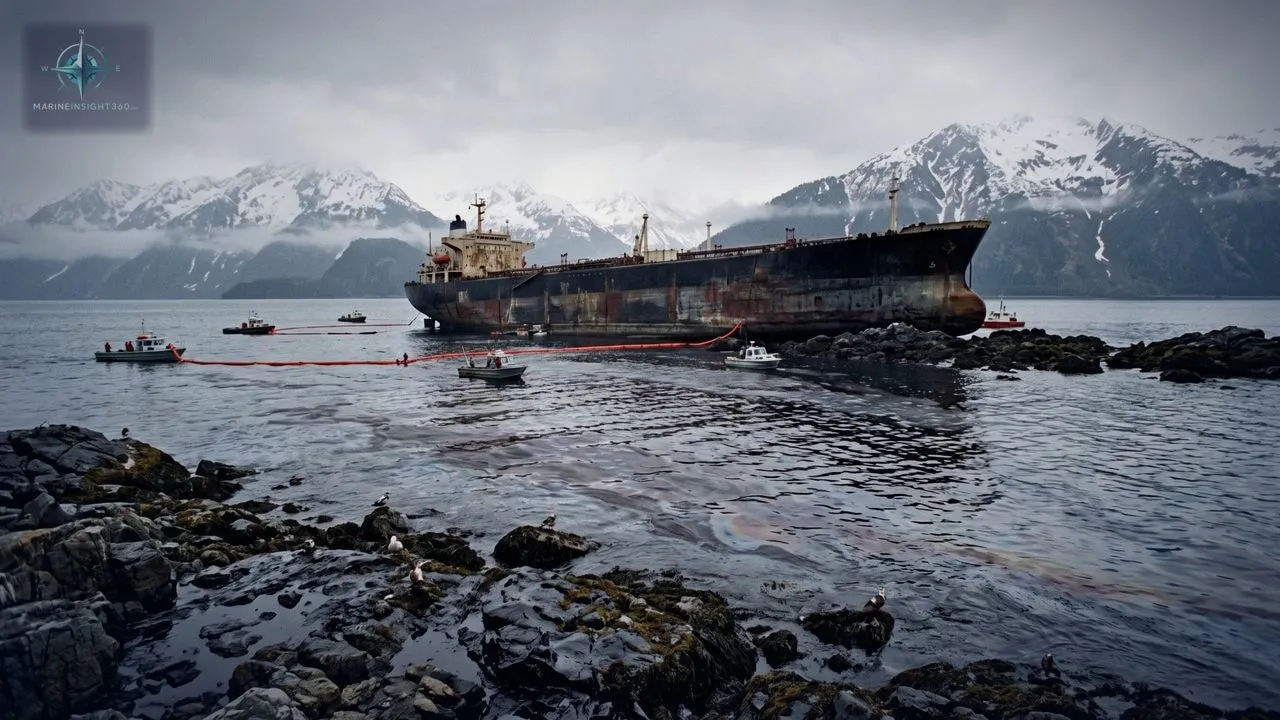
The Complete Story of the Exxon Valdez Oil Spill
The Exxon Valdez oil spill is the 1989 grounding in which the tanker struck Bligh Reef in Prince William Sound, Alaska, and released about 11 million gallons of crude oil.