
Bulgarian Shipping Company Denies Ship Damage: The Vezhen Cable Case and What Crews Should Learn
A Bulgarian shipping company denied its ship deliberately damaged a Baltic cable. The Vezhen anchor case and the securing checks that prevent a repeat.
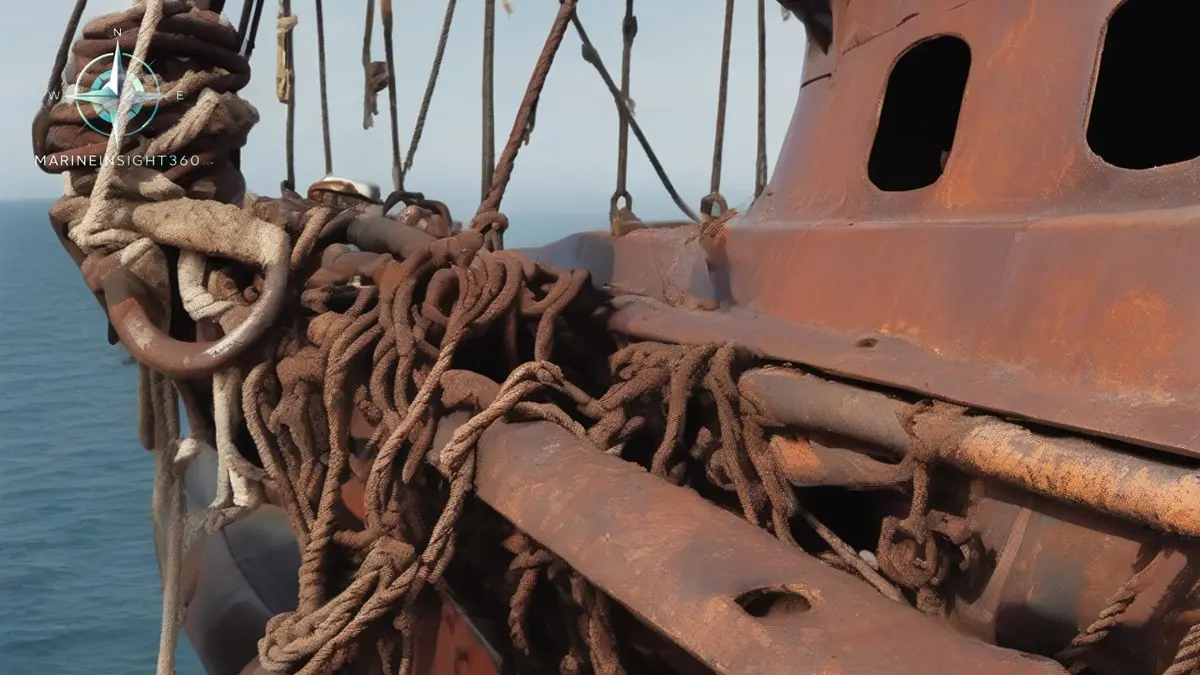
What the Vezhen Incident Teaches About Anchor Security
The bulk carrier Vezhen of Bulgarian shipping company Navibulgar was detained after a fibre‑optic cable between Latvia and Gotland broke in January 2025. Investigators found the cable damage was accidental, not sabotage, and the ship was released in early February. The case shows how a poorly secured anchor can lead to costly detentions, legal scrutiny and reputational damage.
Why the Incident Matters to Shipping Professionals
In the Baltic, subsea cables and pipelines lie beneath almost every trade route. A single anchor failure can damage these assets and trigger criminal investigations. The Vezhen case illustrates that the most common cause of an anchor dragging is a securing failure, not intentional sabotage. Understanding the failure modes and implementing a rigorous securing routine can prevent detentions and protect crew safety.
How an Anchor Can Slip into the Seabed
Anchors are held by multiple devices, each with a distinct failure mode:
- Brake band on the windlass – friction can slip if the band is worn or set by feel rather than specification.
- Bow stopper or guillotine bar – if not fully engaged or if the pin is missing, a snatch load can lift it.
- Devil’s claw or chain lashing – often omitted on short coastal legs; it is critical when waves hit the forecastle.
- Hawse pipe cover and spurling pipe cement – these keep water out but do not restrain the anchor; treating them as securing devices is a common error.
A wave striking the forecastle can deliver a shock load far above the anchor’s static weight. Once the anchor is released, the chain’s momentum can overcome any unsecured device, dragging the anchor along the seabed.
Detecting a Dragging Anchor on the Bridge
Autopilots maintain course by applying continuous rudder input, so a dragging anchor may not trigger an obvious alarm. Watchkeepers should monitor these secondary indicators:
- Speed over ground falls while engine revolutions and pitch remain unchanged.
- Shaft power or fuel rack position rises for the same speed.
- Persistent rudder to one side or increased rudder activity.
- Unusual vibration or noise from the forward section.
- Camera footage (if available) showing a cable leading out of the hawse pipe.
Any two of these signs warrant slowing the vessel and sending a forward look, weather permitting.
Anchoring Checklist: A Practical Routine
Anchor securing should be part of the departure checklist and assigned to a named officer, not left to the bosun’s discretion. The routine includes:
- Fully home the anchor and confirm it is seated in the hawse pipe.
- Apply the brake hard and verify the band is within wear limits.
- Engage the bow stopper or guillotine bar fully and insert the securing pin.
- Fit the devil’s claw or chain lashing and tighten the turnbuckle.
- Disengage the windlass gypsy from the drive.
- Fit hawse pipe and spurling pipe covers; re‑cement where required.
- Re‑inspect before heavy weather is expected and record the inspection.
Documenting each step creates a clear audit trail that can differentiate an accident from negligence.
Responding to a Suspected Cable Strike
When a cable strike is suspected, act quickly:
- Stop or reduce to bare steerage.
- Recover the anchor if it can be done safely.
- Fix and record the position.
- Preserve voyage data recorder and bridge camera footage before it is overwritten.
- Notify the coastal state, flag state, company, and the P & I club immediately.
Under UNCLOS, flag states must treat deliberate or negligent cable damage as an offence. Coastal states may detain the vessel while determining liability. Proper evidence and a documented securing routine are essential to defend against allegations.
Next Steps for Shipping Professionals
Review your vessel’s anchor securing procedures and ensure they align with the checklist above. For deeper guidance, consult Marine Insight 360’s Shipboard Operations section or the Marine Machinery knowledge base. If your vessel operates in the Baltic, add cable and pipeline areas to your ECDIS and set alarms for any anchoring near these zones.
Why this matters
Bulgarian Shipping Co matters because maritime decisions rarely sit in one department. A route story may affect insurance, crew planning and cargo timing. A machinery topic may affect maintenance, safety permits and spare-part planning. A career question may affect training, documents and joining readiness.
For readers in the United States, United Kingdom, Europe, Canada, Australia, Singapore and other mature maritime markets, the useful angle is practical: what changes, what remains uncertain, and which checks should happen before a decision is made.
For connected route-risk and trade coverage, continue with the maritime markets hub.
Recommended Reading
The Gulf of Oman: Geography, Shipping Lanes and What Transiting Crews Plan For
The Gulf of Oman links the Strait of Hormuz to the Arabian Sea. Here is its geography, traffic separation scheme, ports and the transit risks crews plan for.
What Is The Largest Shipping Company In The World?
The role of LNG carriers in transporting LNG from the production area to the consumption site is a crucial step. Equally important are the top LNG bulk…
VOC Meaning in Shipping: Volatile Organic Compounds on Tankers
VOC means volatile organic compounds. What they are on a tanker, how MARPOL Annex VI Regulation 15 controls them, and what a VOC plan requires.