
Corvette Warships: Definition, Specs, and Modern Role
What is a corvette warship? Its size, armament and helicopter capability, how the class evolved, and how modern navies deploy corvettes today.
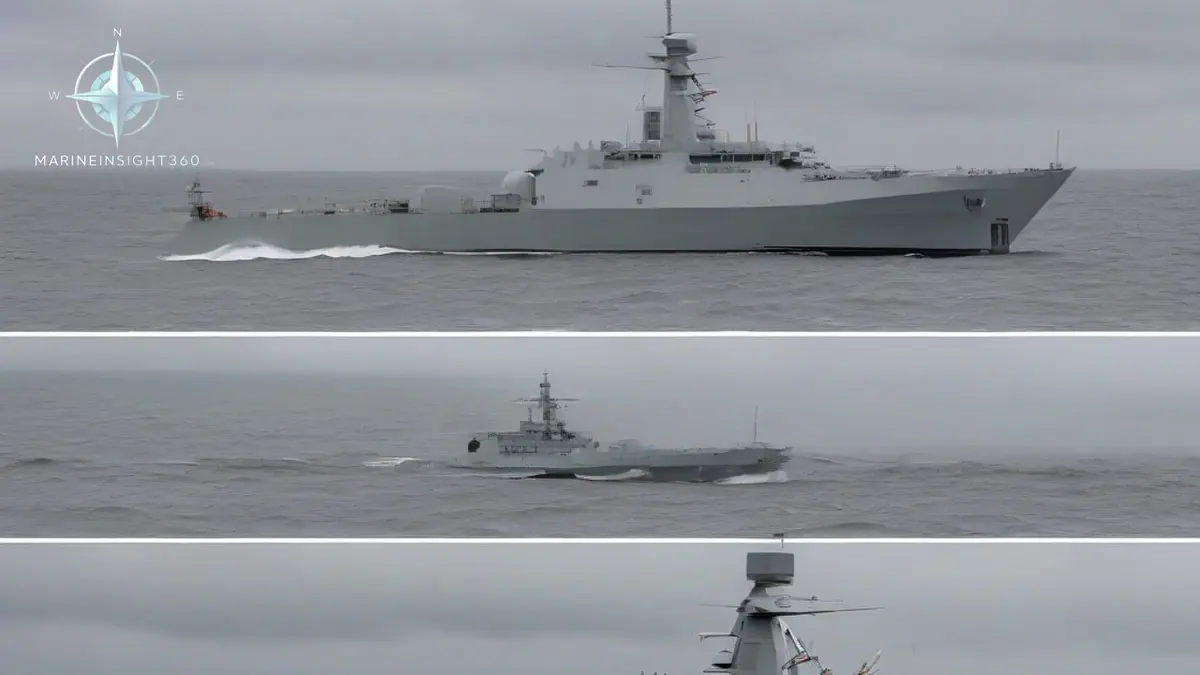
What is a corvette warship?
A corvette is a small, rated warship, larger than a sloop but smaller than a frigate, designed primarily for coastal and littoral operations. Modern corvettes typically displace 500 - 3,000 tonnes, measure 55 - 128 m (180 - 420 ft) in length, and carry a mix of guns, surface‑to‑air missiles, anti‑submarine weapons and, in many cases, a hangar for a single helicopter.
This concise definition answers the core query that seafarers, cadets and naval officers ask when they encounter the term in ship registries, training manuals or procurement briefs.
Historical lineage: From sail to stealth
Corvettes originated in the 17th century as fast, three‑masted sailing vessels used for dispatch, escort and patrol duties. Their role evolved dramatically during World II when the Royal Navy's Flower‑class ships served as convoy escorts, blending modest size with anti‑submarine capability.
Post‑war navies replaced steam‑powered hulls with diesel‑ or gas‑turbine‑driven designs, adding radar, sonar and guided missiles. Today's corvettes incorporate stealth shaping, integrated combat systems and modular payload bays, reflecting a shift from pure escort to multi‑role littoral combat platforms.
Typical specifications and capability set
While individual classes vary, most modern corvettes share a common technical envelope:
- Displacement: 500 - 2,000 t (up to ~3,000 t for the largest contemporary types).
- Length: 55 - 128 m (180 - 420 ft).
- Propulsion: Combined diesel and gas (CODAG) or all‑diesel arrangements, delivering speeds of 25 - 30 knots.
- Armament: A main gun (76 - 127 mm), short‑range surface‑to‑air missiles (e.g., VL‑MICA, Sea Ceptor), anti‑ship missiles (e.g., Harpoon, Exocet), and lightweight torpedoes for ASW.
- Aviation: A flight deck sized for a light or medium helicopter, with an optional hangar for a UAV or a naval helicopter such as the SH-60 Seahawk.
- Sensors: 3‑D air‑search radar, hull‑mounted sonar, and combat management system linking weapons and communications.
These attributes enable corvettes to conduct coastal patrol, fast‑attack missions, anti‑submarine warfare (ASW), mine‑laying and limited air‑defence tasks without the endurance or crew size of a frigate.
Why navies choose corvettes over frigates: trade‑offs and decision criteria
When planning a surface fleet, procurement officers weigh several factors:
- Cost efficiency: Corvettes are cheaper to build and operate, making them attractive for nations with constrained defence budgets.
- Mission focus: Their shallow draft and compact size suit confined waters, Baltic Sea, Persian Gulf, South China Sea, where larger frigates would be less maneuverable.
- Endurance: Corvettes carry less fuel and provisions, limiting deployments to a few weeks at sea versus months for frigates.
- Scalability: Modular designs allow navies to upgrade missile suites or add UAVs without major hull alterations.
- Risk of over‑specification: A common mistake is assigning blue‑water tasks, long‑range escort or carrier group air‑defence, to corvettes, which can strain their limited sensor range and logistics support.
Choosing a corvette therefore hinges on a clear littoral focus, budgetary limits and the desire for rapid acquisition cycles.
Modern operational role and integration with fleet structures
In contemporary navies, corvettes often operate as the "first line" of coastal defence. They conduct:
- Maritime domain awareness patrols, feeding real‑time data to national command centres.
- Fast‑reaction anti‑ship strikes against hostile vessels approaching territorial waters.
- Cooperative ASW with maritime patrol aircraft and allied frigates, using their torpedoes and towed sonar arrays.
- Limited air‑defence for high‑value assets in congested sea lanes, leveraging point‑defence missiles.
Because of their size, corvettes can dock at smaller ports and forward bases, reducing transit time to operational areas. Crews typically number 50 - 100, allowing for tighter teamwork but also demanding cross‑training; many sailors on board must be proficient in both weapons operation and basic engineering tasks.
Global operators and representative classes
Corvettes are in service with a diverse set of navies, each tailoring the platform to regional threats:
- Russia: The majority of its surface combatants are corvettes, such as the Project 20380 Steregushchiy class, equipped with Kalibr cruise missiles for long‑range strike.
- India: The Kamorta class (Project 28) emphasizes ASW with advanced sonar and torpedo tubes, reflecting the Indian Ocean's submarine activity.
- China: The Type 056 "Jiangdao" class balances stealth shaping with a 76 mm gun and HHQ‑9 surface‑to‑air missiles for South China Sea patrols.
- Israel: The Sa'ar 5 class combines anti‑ship missiles and a 76 mm gun, optimized for Mediterranean littoral engagements.
- Brazil: The Barroso class (derived from the French La Fayette) offers a mix of anti‑air and anti‑surface weapons for Atlantic coast defence.
- United Arab Emirates: The Baynunah class (based on the French Gowind) includes a helicopter hangar and modern radar for Gulf security.
These examples illustrate how the same basic hull concept can be adapted to varied operational doctrines, from high‑speed missile attacks to quiet ASW patrols.
Practical considerations for crew and ship operators
For seafarers assigned to corvettes, the compact environment means:
- Multi‑skill expectations: crew members often rotate between watch‑standing, weapons handling and basic maintenance.
- Limited habitability: shorter missions reduce the need for extensive berthing, but also limit personal space and storage.
- Rapid decision cycles: the ship's size and mission tempo demand swift tactical judgments, especially during littoral engagements.
- Maintenance cycles: smaller systems are generally easier to service, yet the high operational tempo can accelerate wear on propulsion and weapons.
Understanding these nuances helps cadets and junior officers anticipate the workload and training requirements unique to corvette service.
Looking ahead: Emerging trends and procurement outlook
Navies are now exploring "next‑generation" corvette concepts that blend autonomous systems, electric propulsion and enhanced stealth. European programmes such as the Patrol Corvette (PC) aim for a displacement near 2,000 t with modular mission bays, while India's Naval Group‑led Next‑Generation Corvette (NGC) targets a 2,500 t hull with integrated electric‑drive and advanced sensor suites.
These developments suggest a future where corvettes retain their littoral niche but gain greater endurance and network‑centric capabilities, narrowing the gap with frigates without sacrificing cost advantages.
Why this matters to the maritime industry
Corvettes provide a cost‑effective, flexible solution for nations needing credible coastal defence and rapid response, shaping procurement strategies, crew training programmes and shipyard workloads worldwide.
Warships are excluded from the merchant safety conventions that govern commercial tonnage, so corvette standards come from naval authorities and from classification societies that publish dedicated naval rules. Lloyd's Register, DNV, Bureau Veritas and RINA all class naval vessels, and several recent corvette programmes have been built to those rules rather than to a purely military specification. That choice matters for export sales and for through-life survey.
The recurring criticism of the type is seakeeping. A 500 to 2,000 tonne hull driven hard in a short steep sea loses speed to slamming long before the machinery reaches its limit, and sensor and weapon performance degrades with motion. Navies that buy corvettes for a sheltered littoral and then send them on ocean transits meet the endurance and crew fatigue penalties immediately.
Sources and further reading
- Corvette | Fast, Maneuverable & Deadly
- Corvette
- American Heritage Dictionary Entry: corvette
- What is a Corvette? And What Next?
What to read next
Recommended Reading
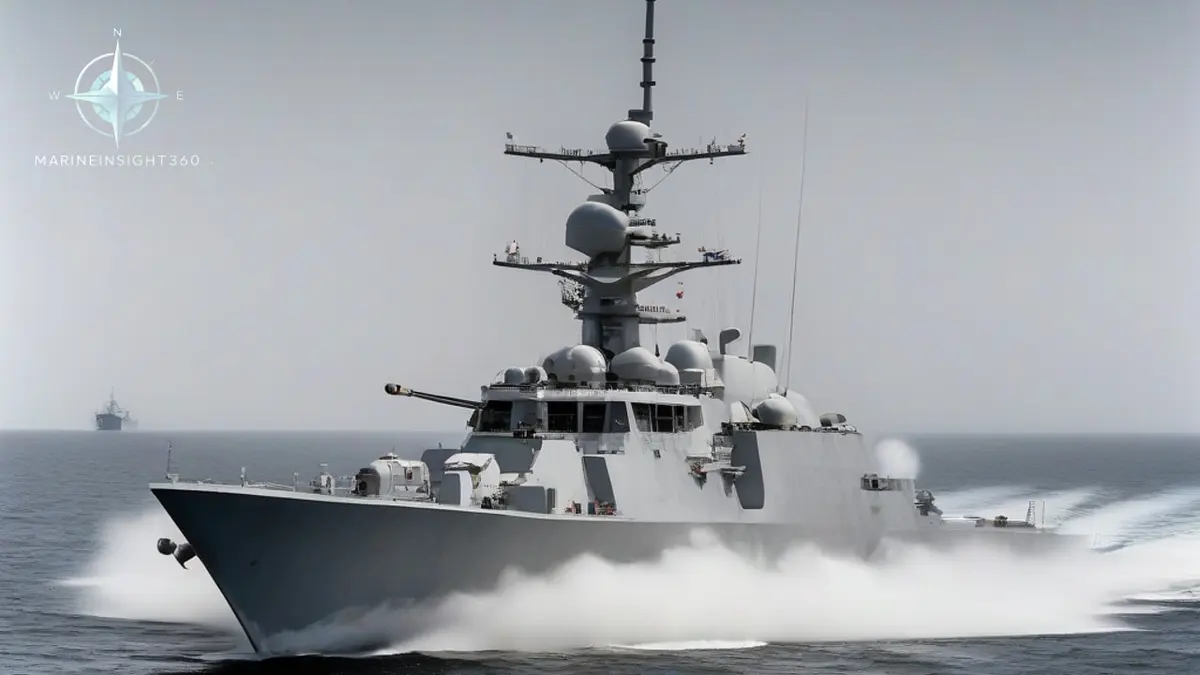
What Is a Corvette Ship? Size, Role and Modern Naval Use
A corvette is the smallest vessel navies rate as a full warship. Here is how corvettes compare with frigates and patrol vessels, and what they do at sea.
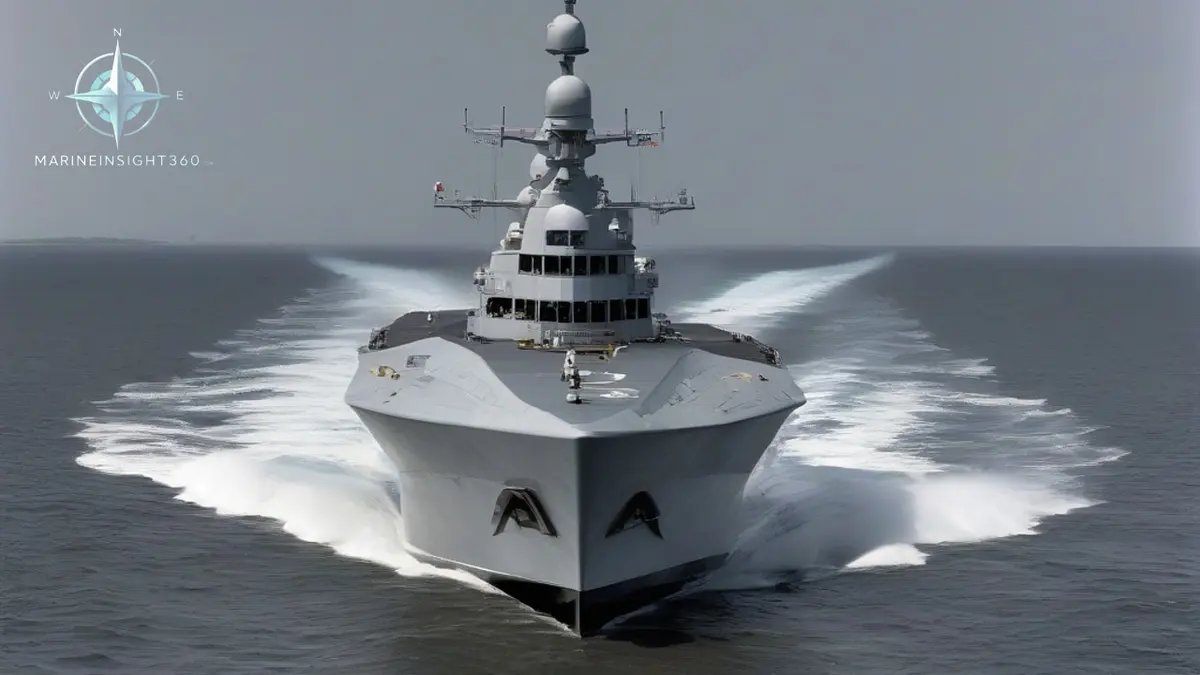
What Is a Naval Corvette? Size, Role and How It Differs From a Frigate
A naval corvette is the smallest ship rated as a warship, typically 500 to 3,000 tonnes. Here is what corvettes do and how they differ from frigates and OPVs.
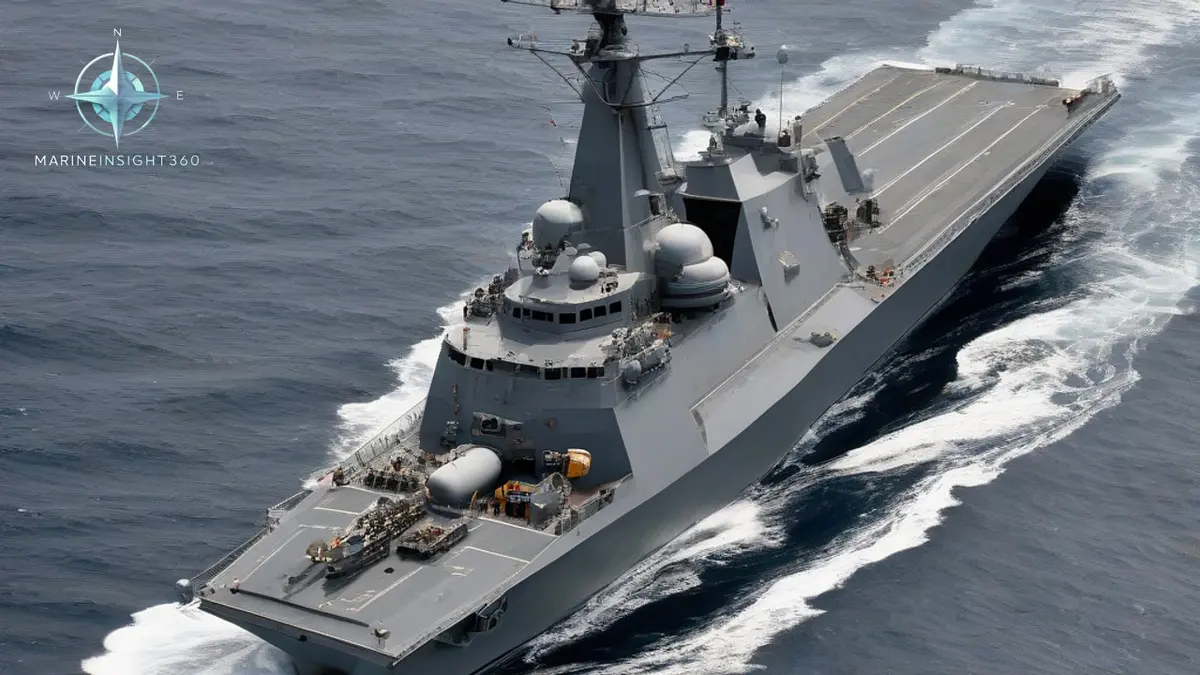
What Is a Frigate? Role, Size and Modern Frigate Classes
A frigate is a mid-sized escort warship built for anti-submarine and general escort work. How frigates differ from destroyers and corvettes.