
What Is a Corvette Ship? Size, Role and Modern Naval Use
A corvette is the smallest vessel navies rate as a full warship. Here is how corvettes compare with frigates and patrol vessels, and what they do at sea.
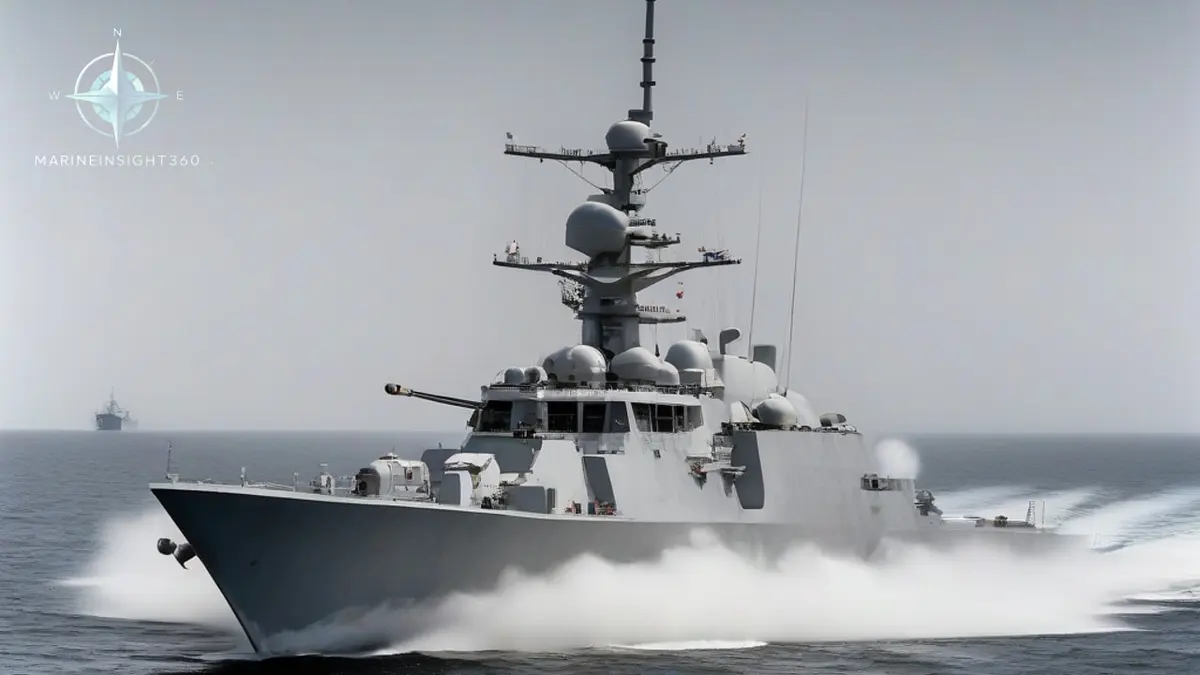
What is a corvette ship? It is the smallest vessel that navies still rate as a full warship, sitting below the frigate and above the fast attack craft or patrol boat. Corvettes typically displace between 540 and 2,750 long tons (550 to 2,790 t) and measure roughly 55 to 101 meters (180 to 330 ft) in length. They carry their own anti-ship missiles, gun armament, sensors and combat management system.
That is what separates one from a large but lightly armed patrol vessel.
The trade is deliberate. A corvette buys firepower per ton at the cost of endurance, magazine depth and heavy-weather sea-keeping. Newer designs have drifted upward, and several now approach 3,000 tons with a hangar for an embarked helicopter, which places them close to what an earlier generation called a light frigate.
How a corvette differs from a frigate and a patrol vessel
The dividing lines are practical rather than legal. No treaty defines these classes, so each navy applies its own labels, and the same hull can be marketed as a corvette in one country and a light frigate in another.
- Offshore patrol vessel: constabulary work, a medium gun at most, no area air defense, and a hull often built to commercial or lightly militarized standards.
- Corvette: anti-ship missiles, point-defense surface-to-air missiles, a medium-caliber gun, a sonar fit on anti-submarine variants, and a crew usually well under 100.
- Frigate: deeper magazines, longer-range air defense, sustained helicopter operations, and the fuel and stores to deploy far from home for months.
Crew size drives much of the economics. A corvette run by 50 to 90 people costs far less across a 30-year service life than a frigate that needs twice that number, and small navies feel crewing shortages before they feel budget shortages.
What modern corvettes are built to do
Corvette roles cluster around coastal and exclusive economic zone work: patrol, missile-armed sea denial, escort of shipping through choke points, and anti-submarine work in shallow water where large hulls are noisy and constrained by depth. Low cost and agility suit enclosed seas, which is why the Baltic, the Black Sea, the Gulf, the Mediterranean and Southeast Asian waters are full of them.
The modern type dates from the Second World War, when navies needed a patrol and convoy escort that ordinary commercial yards could turn out quickly. That logic still holds. A corvette can be built in a yard that could never take on a destroyer.
Typical corvette capability set
- Four to eight anti-ship missiles in deck-mounted canisters.
- A short-range surface-to-air missile system for self defense and local area cover.
- A main gun in the 57 mm to 76 mm class plus remote-operated small-caliber mounts.
- Lightweight torpedoes and hull or towed sonar on anti-submarine variants.
- A flight deck, with a hangar only on the larger designs.
Why navies keep ordering corvettes
Hull count. A navy responsible for a long coastline cannot generate presence with destroyers alone, and a ship alongside for maintenance provides no presence at all. Corvettes put more platforms to sea for the same money, spread risk across more hulls, and keep work inside a domestic yard base that could not absorb a major surface combatant.
Current programs show the pattern. Finland has four Pohjanmaa-class corvettes on order, with the first expected in commission in 2027 and the class complete by 2029. India is procuring eight ships under its Next Generation Corvette program. The United States Navy operates no class it calls a corvette; its comparable small combatant, the Littoral Combat Ship, took delivery of its final hull in 2025, and the service has shifted toward sustaining those ships for mine countermeasures work.
What corvettes mean for commercial shipping
Merchant crews meet corvettes far more often than they meet destroyers. These are the hulls assigned to fisheries protection, counter-piracy patrol, sanctions enforcement and choke-point escort, so they are the ships calling on VHF, requesting a boarding, or shadowing a transit through the Gulf of Aden, the Singapore Strait or the Baltic approaches.
Two practical points for bridge teams. A corvette closing at 25 knots or more changes the geometry of a crossing situation quickly, so plot early and take generous action rather than assuming a steady aspect. A warship engaged in an exercise may also maneuver unpredictably and may display the lights or shapes of a vessel restricted in her ability to maneuver.
Radio queries from a naval unit are usually routine identification checks. Answer plainly, record the exchange in the bridge log, and report the contact to the company as the ship security plan requires. For a wider comparison of hull types and their operating limits, see the Ships and Vessels section of the Marine Insight 360 Knowledge Base.
Warships sit outside the merchant convention regime, but they are not unclassed. DNV, Lloyd's Register and Bureau Veritas all publish naval ship rules. Several corvette programmes are built and surveyed against those rules, so structure, stability and machinery meet a written standard. The collision regulations still apply to a warship, which is the part that matters to a merchant bridge team.
The size penalty shows up as failure, not as opinion. A short, light hull slams and rolls hard, so flight operations, boat launch and towed sonar work stop at a lower sea state than a frigate accepts. Magazines are shallow, so a corvette that fires its missiles is out of the fight until it reaches a rearming berth. Crew fatigue arrives faster with 60 people than with 180.
Sources and further reading
- Corvette (warship class)
- Pohjanmaa-class corvette
- U.S. Surface Force to Receive Major Round of Investments
- Trilateral Shipbuilding: Build a Missile Corvette Fleet with Asian Allies
What to read next
Recommended Reading
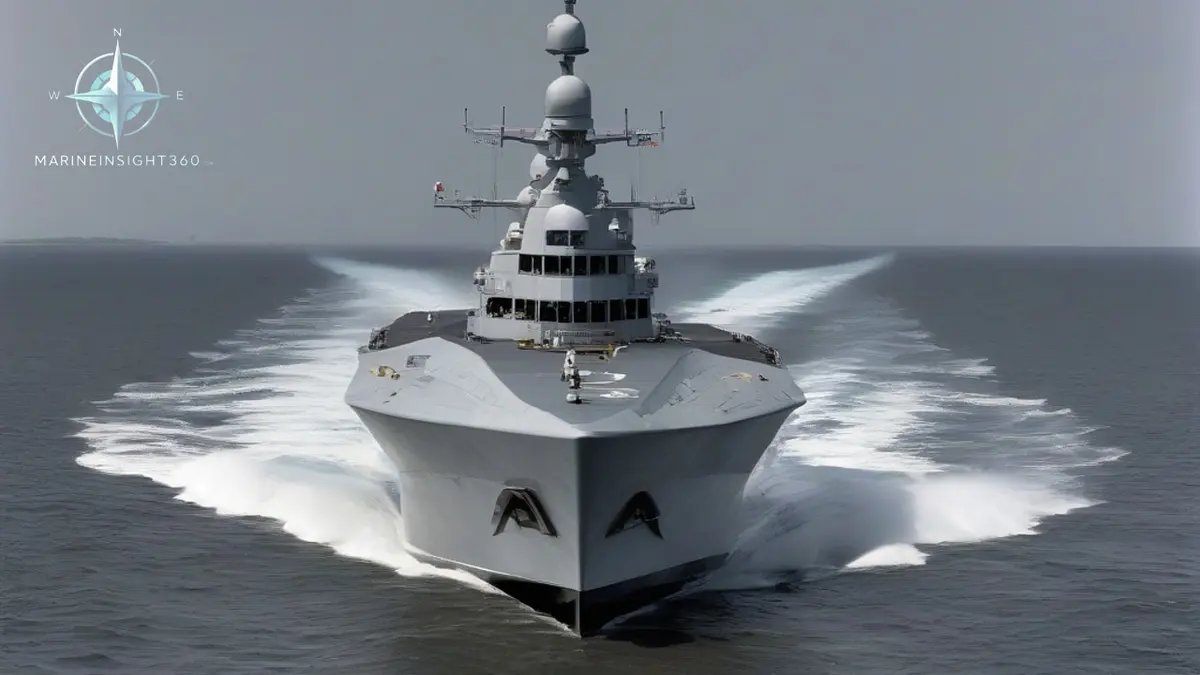
What Is a Naval Corvette? Size, Role and How It Differs From a Frigate
A naval corvette is the smallest ship rated as a warship, typically 500 to 3,000 tonnes. Here is what corvettes do and how they differ from frigates and OPVs.
VLCC and ULCC Tankers: Capacity, Size and How Supertankers Work
VLCC capacity in barrels, tonnes and meters: what separates a VLCC from a ULCC, how supertankers load at sea, and why giant tankers dominate crude shipping.
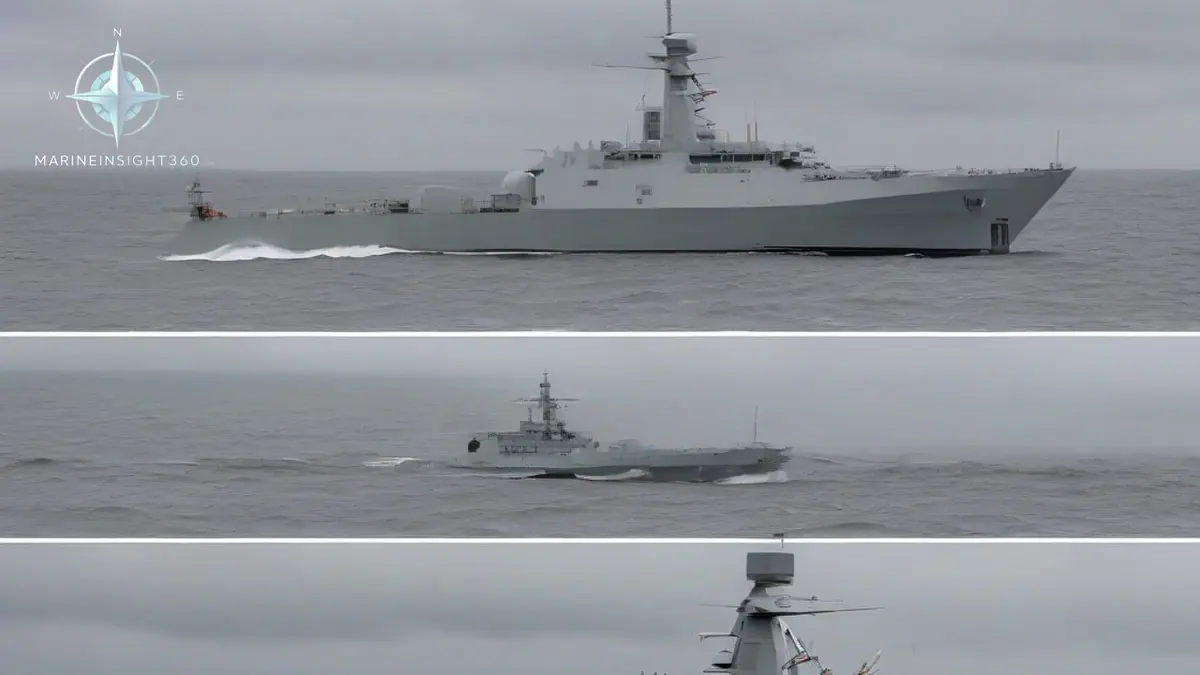
Corvette Warships: Definition, Specs, and Modern Role
What is a corvette warship? Its size, armament and helicopter capability, how the class evolved, and how modern navies deploy corvettes today.