
Cruise Ship Engineer: The Role, the Plant and the Contract
A cruise ship engineer runs a floating power station and hotel. Here is the rank ladder, the certificates required and how contracts and rotations work.
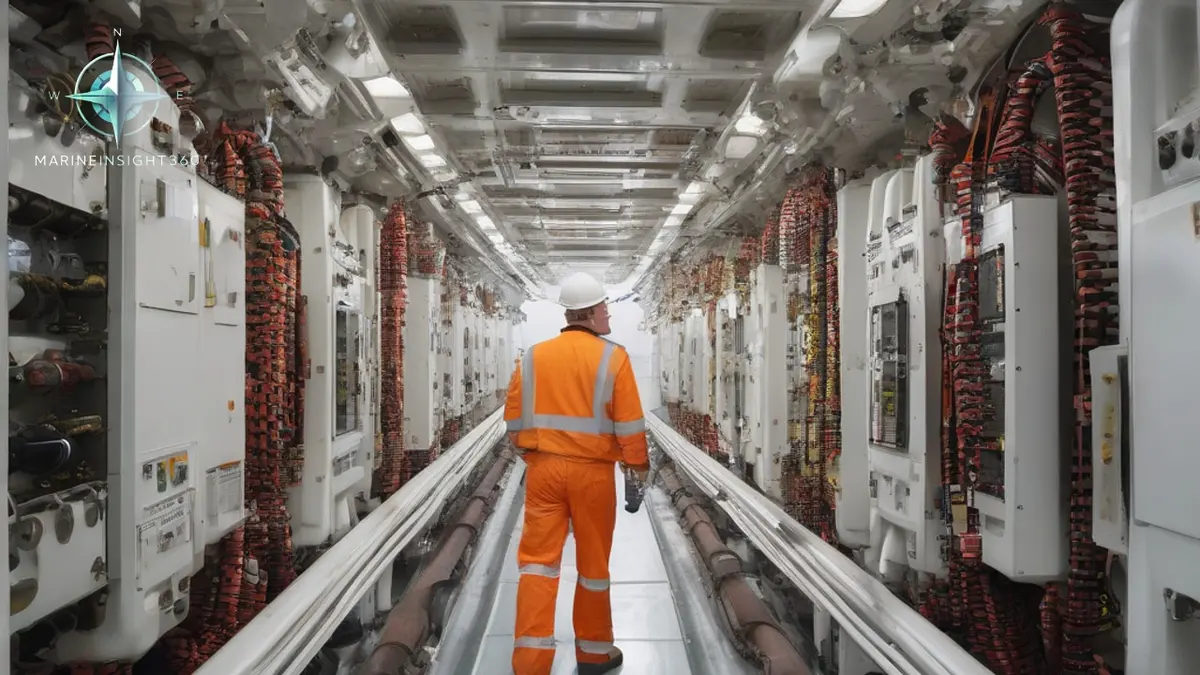
What a cruise ship engineer actually runs
A cruise ship engineer maintains and operates the machinery of a vessel that is at once a ship, a power station and a hotel for several thousand people. The propulsion plant is only part of the job. Air conditioning for hundreds of cabins and public spaces, fresh water production, sewage treatment, galley refrigeration, laundry, pool systems, elevators and stabilizers all sit inside the engineering department's scope, and passengers notice their failure immediately.
Ships homeported in the United States carry that load under USCG control verification examinations, so the plant has to stay inspection-ready all season.
That hotel load is the defining difference from cargo shipping. On a container ship the engineers serve the cargo and the voyage. On a cruise ship a large share of the installed power exists to keep people comfortable, and a service failure has commercial consequences within the hour.
The rank ladder on a cruise ship
The structure is deeper than on cargo tonnage because the plant is larger and the department is bigger.
- Chief engineer. Heads the department, accountable for all machinery, the maintenance schedule and regulatory compliance.
- Staff chief engineer. A cruise-specific deputy rank that does not exist on most cargo ships, carrying much of the day-to-day departmental management.
- First, second and third engineers. Manage daily operations and stand watch over the machinery spaces on their assigned periods.
- Electro-technical officers and electricians. Maintain electrical distribution, HVAC controls and the automation systems, a substantially larger workload than on a cargo ship.
- Motormen, fitters and wipers. Monitor fuel systems, pumps and engines and carry out maintenance, reporting to the duty engineer.
- Engine cadet. The trainee position through which most engineers enter the sector.
Some operators also carry specialists outside the traditional ladder, including HVAC and refrigeration engineers, environmental officers and IT technical staff, because the systems are large enough to justify dedicated hands.
Certificates and licenses required
Every engineering officer needs a valid certificate of competency issued by a recognized maritime administration, built on STCW, the international convention setting minimum training standards for seafarers. The basic STCW safety package covering personal survival, fire fighting, first aid and personal safety is mandatory for everyone on board, and one published estimate puts the cost of that package at around 1,000 US dollars at an accredited training center.
Senior engineering ranks require the management level endorsement, STCW III/2 for chief and second engineer on ships with main propulsion of 3,000 kW or more. Passenger ships add requirements that cargo ships do not have, notably crowd management, passenger safety and crisis management training, and passenger ship familiarization. Operators typically also require medical certification, a valid seafarer identity document and vaccination records before joining.
Contracts, rotations and pay
Cruise contracts are longer than the leave-heavy rotations common in tanker and gas trades. Engineering officers usually sign for a fixed contract period followed by paid or unpaid leave, with the length varying by rank and operator, and senior officers generally securing shorter contracts and better rotation than junior ranks.
Pay scales by rank and by company. As a reference point, one advertised staff chief engineer position listed around 85,680 euros a year. Junior engineers and engine ratings sit far below that, and the gap between operational and management level is the steepest step in the pay ladder. Accommodation and food are provided, and officers of engineering rank normally hold cabin and messing privileges well above those of ratings, which materially changes the value of the package.
How the job differs from cargo ships
Three differences matter to anyone considering the move.
The first is workload distribution. A cargo ship's engineering peak is usually at sea, while a cruise ship's plant is under continuous heavy demand in port with passengers aboard, so quiet maintenance windows are scarce and are planned around the itinerary.
The second is scrutiny. Passenger ships carry heavier statutory survey and drill requirements, more frequent inspections and a safety management culture in which every engineer has an assigned emergency duty involving passengers.
The third is the social environment. Crew numbers run into the hundreds or thousands, hierarchy is formal, and uniform and passenger-facing conduct standards apply to engineers even though the work is below deck.
Getting in
The reliable route is a recognized cadet program: an approved marine engineering course at a maritime academy combined with sponsored sea time leading to a first certificate of competency. Major operators run their own engine cadet intakes and hire directly from the academies they sponsor, which is normally a stronger entry than applying cold with an unrelated engineering degree.
Engineers already holding a certificate of competency from cargo tonnage can transfer, and the sector values that experience, but expect to add the passenger ship training endorsements and to spend the first contract learning the hotel systems that cargo ships simply do not carry. The Marine Insight 360 Merchant Navy Careers section sets out the certificate steps in order for anyone planning that path.
Sources and further reading
- Carnival Cruise Line: 2nd Engineer position description
- Carnival Cruise Line: Engine Cadet position description
- All Cruise Jobs: Staff Chief Engineer vacancy
- STCW III/2, Chief Engineer and Second Engineer 3000 kW or More
What to read next
Recommended Reading

Naval Engineer: What the Role Covers and How It Differs From Marine Engineering
What a naval engineer does, how the role differs from marine engineering and naval architecture, and the qualifications, clearances and employers involved.
Maritime Engineer Role Overview
Discover the core duties, education, salary and job outlook for maritime engineers, plus specialisations and certification tips for seafarers and cadets.
Techano Oceanlift Secures Offshore Crane Contract for New MPSV Build
Techano Oceanlift secured the offshore crane contract for a new MPSV build. What a 70-tonne heave-compensated knuckle boom crane changes for the vessel.