
Double Inverted Funnel for Intervention on Shipwrecks (DIFIS): An Oil Spill Response System
Double Inverted Funnel for Intervention on Shipwrecks (DIFIS): An Oil Spill Response System: safety, training and compliance context for US, UK,...
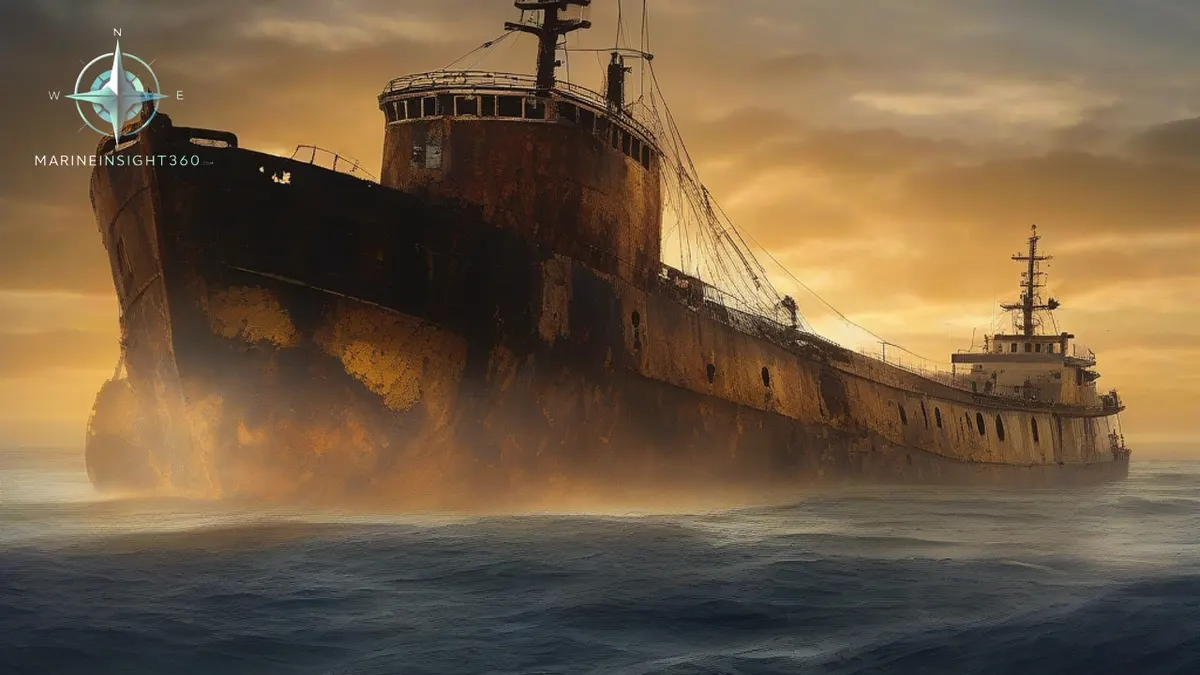
Double Inverted Funnel for Intervention on Shipwrecks (DIFIS): An Oil Spill Response System
DIFIS is an oil spill response system developed by the Maritime Research Institute of the Netherlands (MARIN). Its full name is the Double Inverted Funnel for Intervention on Shipwrecks. A large inverted fabric funnel sits over the wreck and gathers the escaping oil. A flexible riser carries it up to a steel bell held near the surface.
In recent decades, various oil spills have posed a serious threat to the marine environment. In addition to causing loss of life and property damage, the marine environment has also been negatively impacted, causing irreversible damage to its ecosystem. When a ship sinks, it releases tons of oil onto the seabed. This oil ultimately leaks from the ship's tanks or cargo, causing an oil spill.
The increasing risk of oil spills from shipwrecks has prompted numerous engineering innovations from leading maritime organizations and companies worldwide. The Double Inverted Funnel Ship Intervention System (DIFIS) is an oil spill response technology developed by the Maritime Research Institute of the Netherlands (MARIN) in accordance with EU directives.
What is the Double Inverted Funnel Ship Intervention System (DIFIS)?
The Prestige oil tanker accident in November 2002 was one of the most devastating incidents, releasing tons of oil into the sea. This incident immediately recognized the shipping industry's lack of appropriate systems, tools, and methods for responding to oil spills from shipwrecks. The DIFIS system is one of the effective solutions proposed to address the problem of oil spills from shipwrecks.
As the name suggests, the Double Inverted Funnel Shipwreck Intervention System (DIFIS) consists of an inverted funnel mounted on the shipwreck, covering an entire area to collect any spilled oil. A stabilization system stabilizes the funnel and secures it in the desired underwater area. Fuel collected from the funnel, along with seawater, passes through a long, flexible riser pipe into a second inverted funnel (the stop bell) located near the surface.
Double Inverted Funnel for Intervention on Shipwrecks
The stop bell is made of steel and serves as both a separator and an oil reservoir. Fuel collects at the top of the bell, while heavier seawater drains out through the open bottom. The bell also acts as an end buoy, maintaining tension on the entire lift line, forming a system that allows tankers to transfer collected oil quickly.
The advantage of the Double Inverted Funnel Shipwreck Intervention System (DIFIS) lies in its versatility. Possible DIFIS operation methods are outlined below:
The DIFIS system can be activated relatively quickly. In the event of an oil spill, a remotely operated vehicle (ROV) is positioned below the sea surface to survey the underwater conditions. After a thorough assessment, the DIFIS system is carefully deployed underwater using a crane located above the wreck.
- World’s Abandoned Oil Rigs
- Worst Oil Spills in History
- Shipboard Oil Pollution Emergency Plan (SOPEP)
- Trinidad and Tobago hit by mystery ship oil spill.
- Terrible Amoco Cadiz Oil Spill – Largest Loss of Marine Life-ever
Deployed DIFIS Dome
Because the inverted double funnel consists of a large fabric dome and piping system, its configuration is highly dependent on ocean current patterns, induced vibrations. Other external factors critical to system stability.
Advantages of the Double Inverted Funnel Shipwreck Intervention System (DIFIS)
The Double Inverted Funnel Shipwreck Intervention System (DIFIS) offers many advantages, including:
- Extended operating range, up to 4,000 meters underwater
- Double Inverted Funnel Shipwreck Intervention System (DIFIS)
- Cost-effective and environmentally friendly
- An automated system, eliminating the need for human intervention, facilitates and expedites cleanup operations
The Double Inverted Funnel Shipwreck Intervention System (DIFIS) is considered one of the most effective methods for completely cleaning up oil spills from shipwrecks. The technology will utilize state-of-the-art equipment to eliminate manual intervention in oil spill cleanup operations.
What is actually used to take oil off a wreck?
The working method on real casualties is hot tapping. An ROV or a diver fits a valve assembly to the tank plating. The plate is then cut through under the valve. Oil is pumped out to a recovery vessel or into subsea shuttle bags.
Heat is the whole problem. Seabed temperature at depth sits at a few degrees Celsius. Heavy fuel oil will not flow at that temperature. Steam or hot water is circulated first to bring it back to a pumpable viscosity. Slack tanks, collapsed structure and oil trapped under buckled plating turn a two-week job into a season.
That is the context DIFIS belongs in. It is a research design proven at model scale. It has no casualty record. It also answers a different question: containing oil that is already escaping, not recovering oil that has not escaped yet.
Who orders the removal and who pays for it
The Nairobi International Convention on the Removal of Wrecks has been in force since 2015. It makes the registered owner strictly liable for locating, marking and removing a wreck that is a hazard. Ships of 300 gross tonnage and above must carry a certificate evidencing insurance for that liability. The coastal state can claim against the insurer directly.
Pollution from a tanker's cargo runs on a separate track. The Civil Liability Convention channels the claim to the registered owner. The IOPC Funds top up compensation above the owner's limit. Both regimes can bite on one laden tanker wreck, which is part of why removal decisions are argued over for years.
Recommended Reading
Safety Management System (SMS): The Rulebook Every Ship Runs On
What a safety management system is in shipping: the ISM Code framework of procedures, drills, audits and the DPA that turns safety from intention into system.
What Is the Global Maritime Distress Safety System (GMDSS)?
What Is the Global Maritime Distress Safety System (GMDSS)?: safety, training and compliance context for US, UK, Canada, Australia, Singapore and...
The Complete Story of the Exxon Valdez Oil Spill
The Complete Story of the Exxon Valdez Oil Spill: safety, training and compliance context for US, UK, Canada, Australia, Singapore and European...